
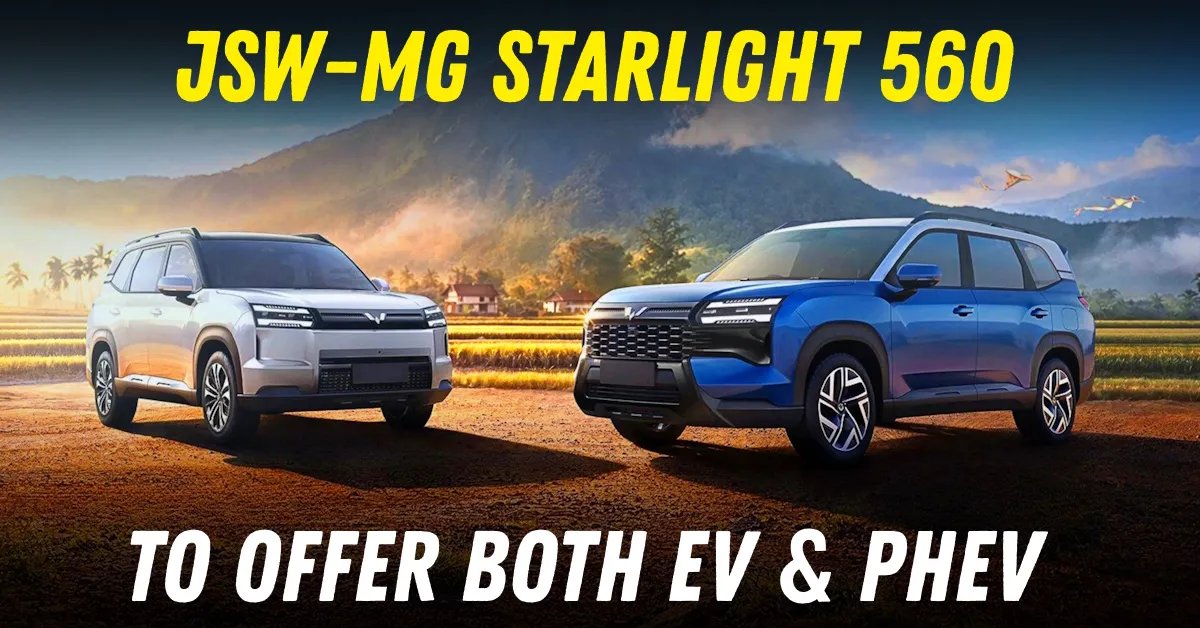

JSW MG Motor plans to introduce two SUVs based on its new ADAPT architecture during the current financial year. The first will be the Hector Hawk battery-electric vehicle, followed by a plug-in hybrid under the same badge.
The company has indicated that both will measure more than 4.3 metres in length. It has not yet officially revealed their names, prices, battery capacities, power outputs, seating layouts, driving ranges or launch dates.
Claims based on related Wuling or SAIC models therefore remain speculative. Their overseas specifications cannot be presented as confirmed details for the upcoming MG products.
ADAPT stands for Advance Drive Architecture Platform Technology. JSW MG describes it as a multi-new-energy-vehicle architecture capable of supporting battery-electric, self-charging hybrid, plug-in hybrid and range-extender powertrains.
The platform originates from parent company SAIC Motor’s global engineering base, but JSW MG says it has spent around 18 to 24 months adapting it for local roads, climate, regulations and consumer requirements.
Using a common architecture can reduce the cost and time involved in developing several electrified products. It can also allow a manufacturer to share electrical systems, electronics, structural components and manufacturing processes across different vehicles.
It does not necessarily mean that one SUV will be sold with all four powertrain choices. JSW MG has only confirmed one electric SUV and one plug-in hybrid SUV for FY27. A conventional strong-hybrid or range-extender model has not yet been announced.
MG says the architecture can accommodate both 400-volt and 800-volt electrical systems. An 800-volt system can support faster charging at suitable chargers, but the company has not confirmed that the first electric SUV will use it.
For hybrid applications, MG has detailed a dedicated combustion engine, an integrated electric drive unit and an electromagnetic dedicated hybrid transmission. The company claims 43.2 percent thermal efficiency for the hybrid engine and 98.8 percent transmission efficiency for the DHT.
These remain platform-level claims. They should not be treated as final efficiency, performance or fuel-economy figures for the upcoming plug-in hybrid SUV.
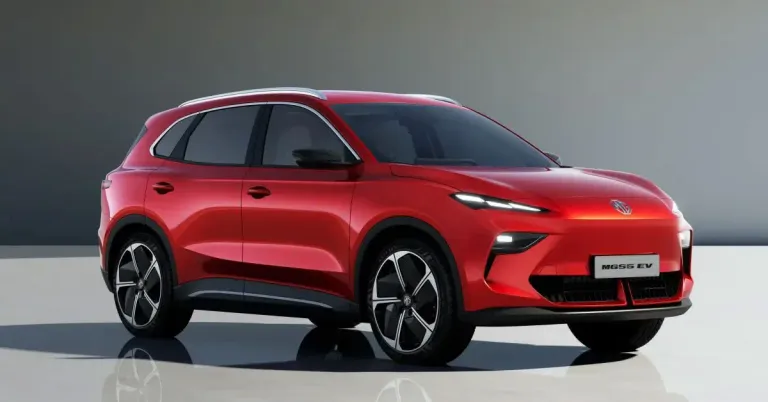
JSW MG plans to invest about Rs 1,400 crore during FY27. This amount forms part of a wider Rs 3,000 crore to Rs 4,000 crore expenditure programme spread over the next few years.
The money will go towards three broad areas: increasing localisation, developing new products and expanding the Halol manufacturing plant. It is therefore inaccurate to describe the entire Rs 1,400 crore as investment specifically backing the two ADAPT SUVs.
The first phase of the Halol expansion is scheduled for completion by March 2027. It will raise annual capacity from about 1.2 lakh vehicles to 1.6 lakh. A second phase is planned to take capacity to approximately three lakh vehicles a year.
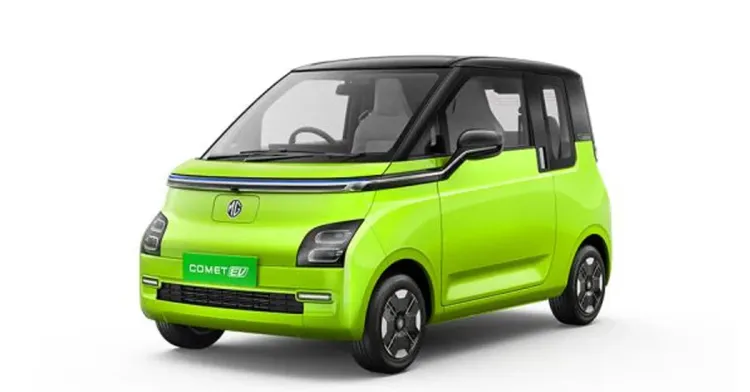
JSW MG is also trying to increase local sourcing. The Comet EV has reached around 60 percent localisation, while the Windsor remains below 50 percent. The company wants to take the Windsor closer to 70 percent and use the ADAPT programme to deepen localisation across future products.
Battery packs are already assembled at Halol, although the cells continue to be imported. Greater localisation of power electronics, electric drive components and other systems could reduce foreign-exchange exposure and improve parts availability. Whether it lowers the retail price will depend on scale, battery costs, equipment levels and market positioning.
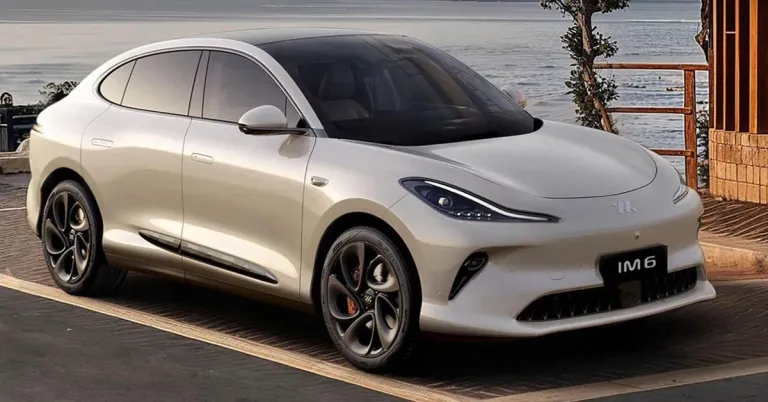
JSW MG’s FY27 product plan contains four launches. The Majestor has already entered the market. The ADAPT-based electric SUV and plug-in hybrid SUV are expected to follow. The fourth model will be a premium electric vehicle sold through the separate MG Select network.
That means the MG Select product is not one of the two mainstream ADAPT SUVs. It’ll be the iM6 high performance luxury crossover aimed at the likes of the Kia eV6 and Hyundai IONIQ5.
The plug-in hybrid could fill a useful gap between a normal petrol SUV and a pure EV. It can run on battery power for shorter journeys and use its engine when the battery charge falls or the journey extends beyond the available charging network.
Its value will depend heavily on the usable electric range and charging speed. A plug-in hybrid works best when it is charged regularly. Without regular charging, it carries the weight and cost of both an engine and a sizeable battery while relying heavily on petrol.
The electric SUV’s appeal will depend on its certified and realistic range, DC-charging performance, battery warranty, cabin and boot space, and final price. The plug-in hybrid will also need a clear fuel-economy figure after its battery charge is depleted. A headline combined figure based on a fully charged battery can give an incomplete picture of long-distance fuel use.
Comments are closed.