
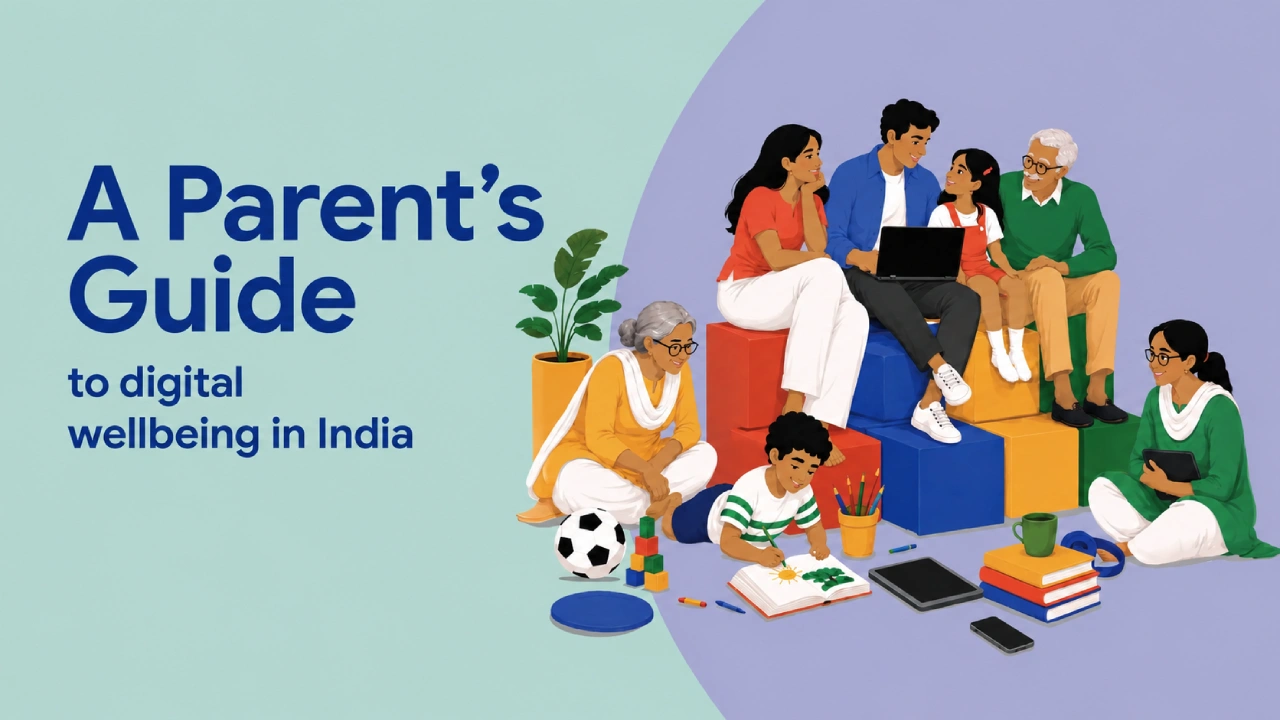

Digital wellbeing: Walk into almost any Indian living room around 8 PM, and you can already guess the script. A parent yanks the Wi-Fi plug, doors slam, voices rise, and within half a minute a hidden phone glows under a mattress.
The bansdon’tt work; they shred trust, fuel resentment, and leave everyone drained. Kids today live inside feeds designed to hook them, not behind walls we can unplug.
Pretending total isolation is possible is just wishful thinking. Real digital health comes only when families sit down together, drop the knee‑jerk punishments, and hammer out boundaries that actually make sense.
Dopamine Traps & Shrinking Focus: How Screens Hack Young Brains
Endless scrolling completely shreds achild’ss attention span. Micro-videos flood developing brains with cheap, effortless dopamine hits, turning thick schoolbooks into absolute snoozefests.
- Missing human cues
Staring at flat glass for hours robs kids of real face-to-face practice. They miss micro-expressions. They skip subtle vocal shifts, and body language gets lost.
- The gamification trap
Apps turn basic learning into a game for quick dopamine spikes. Sure, test scores might bump temporarily, but authentic curiosity gets replaced by an endless itch for digital badges.
- Smarter age limits
Zero screens before age two. Though video calls with dadi get a pass. Active co-viewing works best for toddlers, while teenagers need genuine, respectful negotiation.
Tech Neck & Stolen Sleep: The Hidden Physical Toll on Kids
Slouching over a glowing rectangle for hours wrecks growing bodies. Bad postureisn’tt just an adult problem anymore; eight-year-olds now walk around with slumped shoulders and stiff necks.
- Stolen sleep
Late-night blue light tricks young brains into thinkingit’ss midday. Scrolling until 1 AM destroys deep sleep cycles, turning school mornings into a war zone.
- Strained eyes
Bright displays paired with almost zero outdoor light are driving a massive myopia spike across urban India.
- Mental fatigue
Constant social comparison triggers non-stop anxiety. The pressure to look cool online never stops.
Ditch the Bans: Smart Digital Literacy That Actually Works
Outright bansdon’tt work, for kids adapt, get sneaky, and hide things better.
Parents have to fix their own habits first, so you have to put your phone down during dinner.
- Real skills over digital locks
Kids must learn to spot creeps online, guard personal data, and manage money using tools like GPay, UPI, and Circle.
- Intentional tech use
Screens, if configured properly, support group study sessions, family audiobook nights, and new hobbies.
What Top Indian Child Psychologists Say About Screen Time
Sudden bans trigger instant pushback in Indian homes.
“Tech conflicts in Indian homes usually start with sudden, abrupt rules… Instead of forcing sudden restrictions that make children feel misunderstood and isolated, parents need a collaborative playbook to build boundaries together.”
-Dr. Manoj Kumar Sharma, Professor of Clinical Psychology, SHUT Clinic, NIMHANS.
Sit down. Watch together. Ask questions.
“Shared viewing is the way forward… using open-ended conversations to ask what they liked, what they didn’t, or if they saw anything that made them feel uncomfortable.”
-Dr. Samir Parikh, Chairperson, Mental Health Program, Fortis Healthcare
Because multiple family members share a single smartphone across Indian households, the Youth Digital Wellbeing Guidebook focuses on practical features: fast profile switching (“Who’s Watching”), custom content filters, and remote controls.

5 Easy Steps to Build a Balanced Family “Digital Diet” Today
Rules hold up when kids help draft them. So, keep the conversation open.
- Hard boundary lines
Bedrooms and dinner tables stay strictly screen-free. Offer no exceptions.
- Offline “Energy Capsules”
Never grab a phone without offering an alternative. You can swap screen time for a quick 20-minute cricket match, a walk outside, or making evening chaat together.
- Smart app toggles
Turn on YouTube’s Bedtime Reminders, cut Shorts usage during exam months, and block heavy distractions during class hours with Google Family Link.
Raising Tech-Smart Kids: Your Next Steps to Lasting Peace
Teaching kids to handle the online world is teaching them to drive.
Ready to replace screen battles with open conversations? Sit down with your family tonight, pick one “offline energy capsule” to try together, and take back your living room!

Comments are closed.