
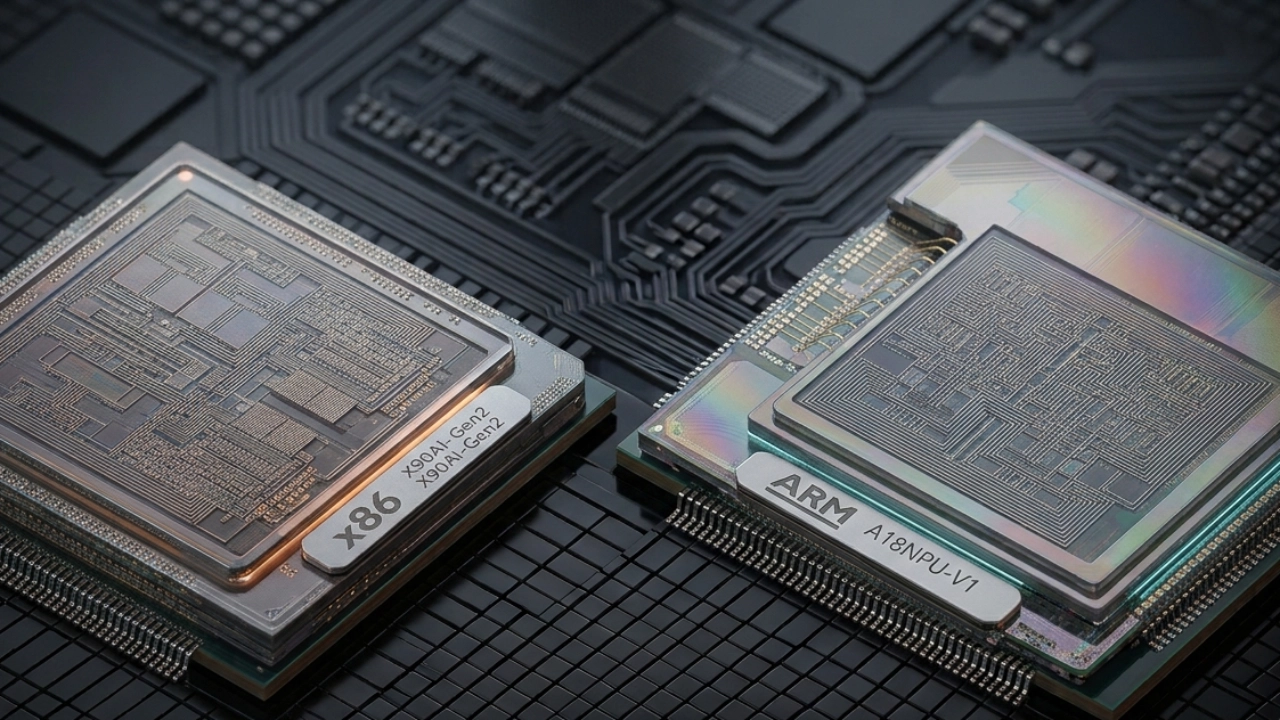

The technical evaluation of ARM vs x86 laptop processors represents a fundamental shift in personal computing architecture, breaking a decades-long hardware monopoly. For generations, the x86 instruction set architecture designed, developed, and scaled almost exclusively by semiconductor giants Intel and AMD served as the uncontested foundation for everything from corporate workstations to high-performance gaming laptops.
However, modern enterprise demands have evolved past raw instruction clock speeds. Today, original equipment manufacturers (OEMs) prioritize ultra-long battery life, sustained localized machine learning efficiency, and silent thermal performance. This architectural evolution has forced an industry-wide transition, rapidly introducing specialized ARM silicon frameworks and dedicated neural engines directly into the commercial mainstream.
Why ARM vs x86 Laptop Processors Are Evolving
Laptops have also undergone significant changes in what types of tasks can be completed on them. When they were first introduced, most commonly performed tasks included web browsing, document creation, watching movies, and using office software. Normal processors handled these tasks easily.
Now, many apps are starting to use AI features. Photo apps can remove objects from pictures. Video calls can blur the background. Writing tools can suggest sentences. Some tools can even translate speech in real time.
All these features need more computing power. Typical CPUs found in personal computers can execute all kinds of AI applications; however, this doesn’t share with them an optimal capability for efficient execution as well. This has led several laptop manufacturers to create unique chipsets with specific designs to provide greater performance when executing AI software on laptops. Chipmakers are implementing new designs that will enable processors to perform much faster and more efficiently than previously.
x86 Chips Still Power Most Laptops
Intel and AMD Still Lead
At this time, almost all laptops on the market use x86 processors. These chips were originally developed by Intel and AMD and have been manufactured by both companies for many years now.
The vast majority of Windows-based laptops globally rely on x86 processor designs for their computing power. These chips are designed to handle many types of work. From office tasks to gaming and heavy software, x86 processors can manage almost everything.
Currently, several companies have begun including an AI chip or module in their CPUs over the last several years. This chip/module can perform some or all of the processing required to run an AI task on a computer directly from the CPU without sending data to an outside server or the cloud.
Using a dedicated part of the CPU to perform these tasks means that they can be completed faster and more efficiently than using the traditional method of sending the data to the cloud for processing.
Why x86 Is Still Important
One big reason x86 chips remain popular is software support. Many desktop programs are built to run on this platform. Businesses depend on software that has been running on x86 systems for years.
Another reason is performance. Powerful x86 processors are still used in gaming laptops and professional machines. But when it comes to battery life, other chip designs are starting to show advantages.
ARM Chips Are Entering the Laptop Market
ARM Focuses on Power Efficiency
In the beginning, ARM processors were developed specifically for tablets or smartphones. Forms were designed to use less power but still be able to handle computing tasks. As a result of this design philosophy, electronic devices utilizing ARM technology generally last longer on battery than their competing technologies.
As the ARM architecture continues to grow in popularity among PC users, more manufacturers will begin implementing this technology into their products.
The primary advantages of the use of ARM-based computer systems are the ability to operate at cooler temperatures, operate quietly, and have a longer run time without the need for continuous use of battery power.
ARM laptop computers will receive increased recognition by computer end-users due to the increasing number of top-tier notebooks incorporating new ARM-based processors into retail inventory.
All of these factors lend themselves to excellent overall performance and the high-quality power management technologies enabled by ARM laptop computers.
ARM and Windows Laptops
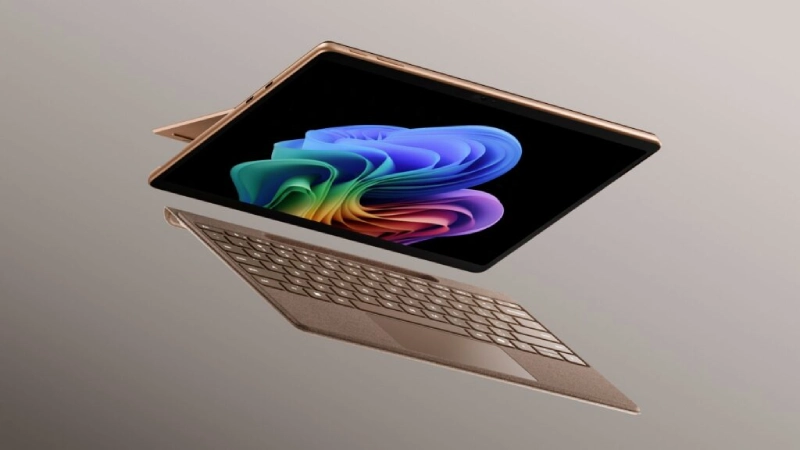
ARM CPUs are being designed for use in Windows laptops. Many companies are producing ARM silicon that is aimed at mobility, as well as having integrated AI processors. Copyright 2023 www.proxyome.com. If you have any questions about using this content, please contact us. This helps laptops run AI tasks directly on the device.
However, ARM laptops still face one challenge. Some older desktop software is built mainly for x86 systems.
Many apps now run on ARM through translation systems, but performance can sometimes vary. Even so, ARM processors are slowly gaining attention in the laptop market.
AI Accelerators Are Becoming Common
What AI Hardware Does
Modern laptop chips are starting to include AI accelerators. These are small hardware units designed to handle machine learning tasks. The AI unit is now handling tasks like audio transcription and visual enhancements without any help from the CPU/GPU. This results in faster processing speeds while reducing power consumption.
New processors are equipped with an “NPU” or Neural Processing Unit – this enables machines to process specific types of jobs associated with automated activities, including, but not limited to, speech recognition, improving images, and creating video effects based upon artificial intelligence algorithms.
Therefore, the majority of today’s “AI” features can be run directly on your computer.
Why AI Processing Is Growing
Artificial Intelligence (AI) technologies are now part of the software we use every day, including video conferencing and photo editing. For example, video conferencing solutions are using AI to improve audio/ noise reduction and increase video quality, while photo editing applications use AI to help with adjusting brightness levels in photos, removing unwanted objects, and so on.
Additionally, some writing tools utilize AI to create sentence substitutes or summarize large amounts of text. Any processing that occurs in the cloud requires internet connectivity; therefore, there are numerous potential privacy issues.
The issue of privacy can be addressed by performing AI computations locally, which prevents user data from leaving the device. Due to this trend, chip manufacturers are increasingly highlighting their processors’ AI capabilities at product launches.
ARM vs x86 Is Not a Simple Battle
ARM Has the Battery Advantage
Efficient ARM processors. Laptops equipped with ARM processors require far less energy than conventional processors. The battery life of laptops equipped with ARM processors is at least double that of traditional laptop processors.
In addition, because ARM processors produce less heat than traditional laptop processors, laptop manufacturers can create slim-lined products with minimal use of fans for cooling purposes. Those who travel frequently or work outside the office are able to take advantage of these advantages.
x86 Still Has Strong Software Support
Even with the rise of ARM chips, x86 processors still have a strong position. Many professional tools and business programs run best on x86 systems.
Companies that depend on older software may continue using these processors for a long time. Because of this, both chip designs are likely to exist side by side for many years.
Hybrid Chip Design Could Shape Future Laptops
Instead of choosing only one architecture, chipmakers are starting to combine different technologies. Many modern processors now use hybrid designs. Some cores are built for high performance, while others are built for efficiency.
AI accelerators are also becoming a normal part of processor design. Future laptop processors will likely include three main parts. CPU cores for general computing. GPU cores for graphics work. AI units for machine learning tasks.
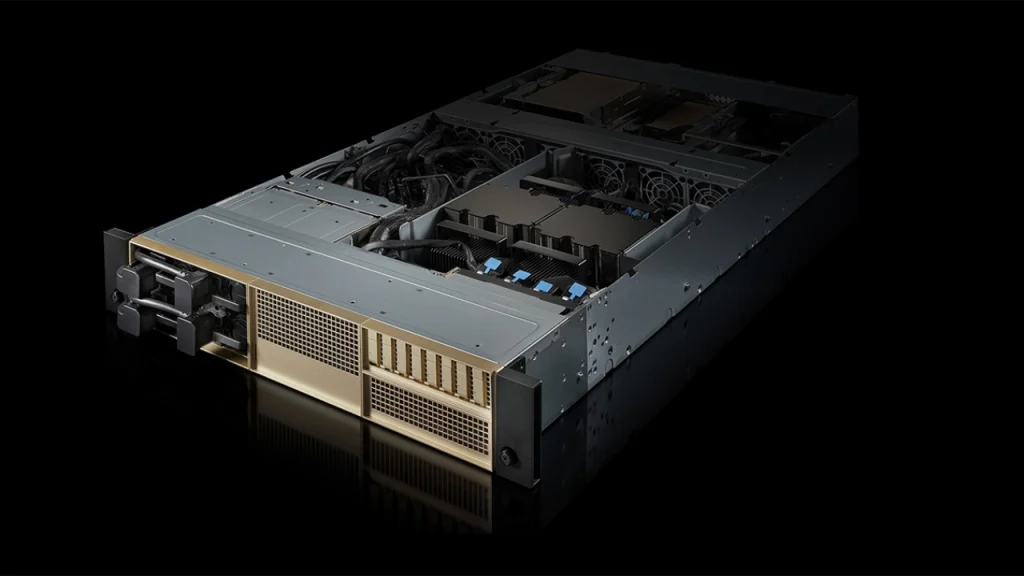
This type of design helps laptops handle different workloads in a better way. It also improves battery life while keeping performance strong.
What Laptop Buyers May Notice
For laptop users, these chip changes may bring several improvements. Devices may last longer on battery. AI features inside apps may work faster. Some laptops may run cooler and quieter. The market will also offer more choices.
Some laptops will focus on efficiency with ARM processors. Others will continue focusing on performance with x86 processors.
As AI software becomes more common, the processor inside a laptop will become more important than before. Manufacturers are now designing chips not just for speed, but also for how well they can support future software features.

Comments are closed.