

Rohit Kumar
NEW DELHI, July 24: Shifting into action mode amid the ongoing student protests over the NEET paper leaks issue, the Center is preparing to further tighten the existing laws to check examination frauds by proposing stringent punishments for such acts to deter the perpetrators from indulging in leaking question papers.
A day after Prime Minister Narendra Modi’s late-night video message promising more action, the government made amendments to the Public Examinations (Prevention of Unfair Means) Act, 2024, to give it more teeth. According to sources, one of the key provisions of the proposed law is the establishment of a time-bound judicial process. The proposed legislation will introduce a fast-track legal mechanism to ensure that paper leak cases are decided within three months. The move is intended to deliver prompt justice and strengthen the credibility of India’s examination system.
Mr Modi had on Thursday morning posted that he has directed the setting up of fast-track courts for paper leak cases. Sources further said amendments are also likely to increase both the jail term and monetary penalties for those involved in paper leaks.
Those involved in paper leaks would face punishment of up to 10 years and a fine of up to Rs 10 crore. Currently, individuals face 3 to 5 years’ imprisonment and a fine of up to Rs 10 lakh if convicted in a paper leak case.
Service providers who do not report a possible offense can be fined up to Rs 1 crore under the current law. In cases of organized crime, the punishment is 5 to 10 years’ imprisonment with a minimum fine of Rs 1 crore. The Amendment Bill is expected to be introduced in the Lok Sabha on Monday.
Leader of Opposition Rahul Gandhi had on Wednesday claimed that there have been 150 paper leaks over the last 10 years and that there have been zero convictions. Prime Minister Modi in a video statement on Thursday night promised more action would follow on Friday in paper leak cases.
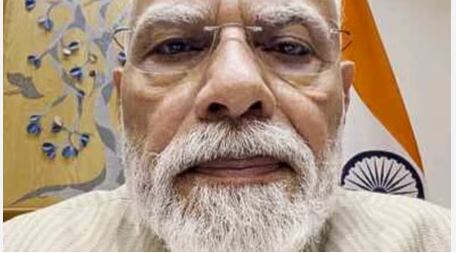
PM Modi’s post on The late-night video statement was the second post by PM Modi on the issue in a single day. “Friends, I know that paper leak is not an ordinary issue. It is very painful for lakhs of students and their families. That is why many steps have been taken in the last two and a half months,” PM Modi said.
“The culprits have been caught and are in jail. Our most important responsibility was to ensure that students do not waste a single year. It was very important to conduct the exams immediately,” he said, adding the government used its full power to arrange the exams for at least 22 lakh students.
“I gave instructions to the departments for the fast-track court. Today, the departments worked hard and gave me the approval late at night. Tomorrow, there will be a discussion in the Cabinet. After the suggestions of the Cabinet members, it will be given its final form. And from Monday, when the second week of Parliament starts, we will try to get that Bill passed as soon as possible,” PM Modi said in the video statement.
The proposed legislation comes at a time when protests over the NEET-UG paper leak have intensified across the country, with students demanding greater accountability and reforms in the examination process. The Center has repeatedly stated that it was committed to protecting the future of students and ensuring that those responsible for compromising the integrity of competitive examinations face strict punishment.
Soon after Mr Modi’s midnight video statement, the Union Ministers JP Nadda and Jitendra Singh visited activist Sonam Wangchuk at Medanta Hospital in Gurugram and held discussions with him on behalf of the government. Following the meeting and government assurances, Wangchuk ended his hunger strike, which had begun on June 28.

Comments are closed.