
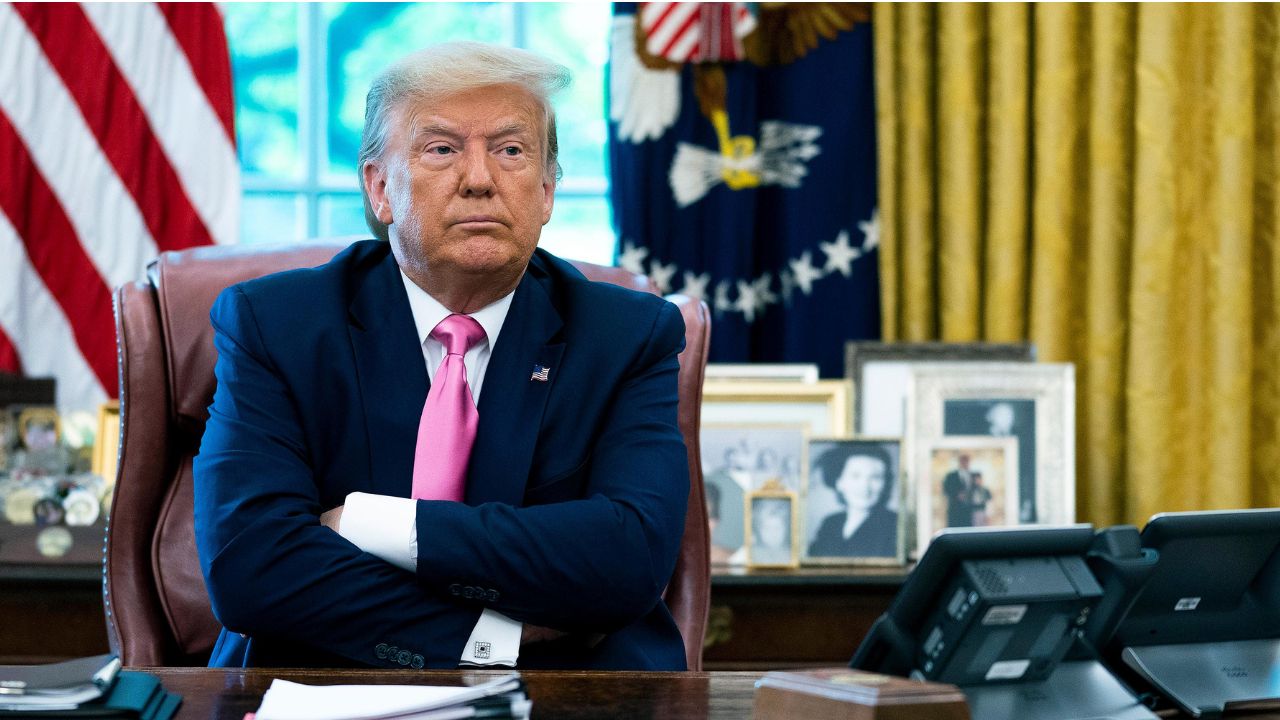

Washington: US President Donald Trump has announced a fresh round of tariffs on imports from nearly 60 countries, including India, citing concerns over products allegedly manufactured using forced labor.
Under the new measures, Indian exports to the United States will face an additional 10% tariff, while other affected countries will be subject to duties ranging between 10% and 12.5%.
Why Has the US Imposed the Tariff?
The Trump administration said the decision is aimed at addressing human rights concerns in global supply chains.
Trump Says He Trusts Xi, Putin Won’t Arm Iran; Warns Support to Tehran Would Have Serious Consequences
According to US officials, several countries are exporting products that are allegedly made using forced labor. The administration argues that the new tariffs are intended to discourage such practices and ensure fair trade.
What Does It Mean for India?
India is among the countries that will now face the additional 10% tariff on exports to the US.
The move is expected to impact a range of Indian export sectors that rely heavily on the American market. Exporters are assessing the possible impact on trade volumes and competitiveness.
Fresh Concern for India’s Pharma Industry
The announcement comes days after Trump indicated that his administration is considering imposing 100% tariffs on imported generic medicines from 2028, with the possibility of increasing them to 200% in the future.
The proposal has triggered concern among Indian pharmaceutical companies, as India is the largest supplier of generic medicines to the United States.
Industry experts warn that higher duties could increase the cost of medicines in the US while affecting India’s pharmaceutical exports.
Impact on Bilateral Trade
The United States remains one of India’s largest trading partners, and any increase in tariffs could influence trade flows between the two countries.
Trump: US-Saudi Nuclear Deal Only If Saudi Arabia Joins Abraham Accords
Trade experts believe the latest announcement may become a key issue in future trade discussions between New Delhi and Washington, particularly if the proposed pharmaceutical tariffs are implemented.
More details regarding the scope, implementation timeline and product categories covered by the new tariff measures are expected in the coming weeks.

Comments are closed.