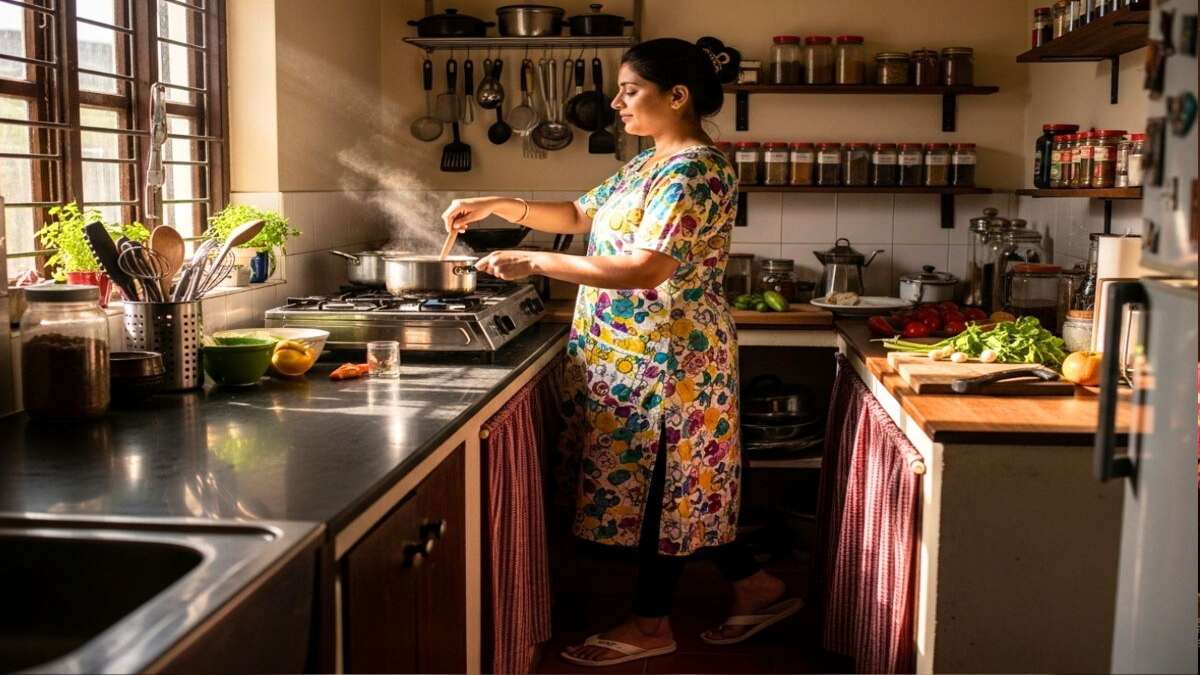
Indian homes have long had varying beliefs about wearing slippers or sandals indoors. While many families consider it a nuisance to wear footwear indoors, changing lifestyles have led to more people using separate slippers indoors. Some associate this with hygiene, while others believe that walking barefoot is more natural and comfortable for the feet. This raises the question: is it healthier to wear slippers indoors, or is it better to go barefoot?
According to experts, there’s no single answer for everyone. It depends on many factors, such as the cleanliness of the home, the condition of the floor, the person’s age, and the health of their feet. If the floor is regularly cleaned and the person doesn’t have any foot problems, walking barefoot indoors is generally okay. However, in some circumstances, wearing separate slippers indoors may be a more convenient and safe option.
Slippers can protect feet from dust and dirt.
Despite daily cleaning of the floor, small particles of dust, hair, or other debris can remain. Separate indoor slippers protect feet from direct contact with the floor. Especially if you have small children or pets, keeping your feet clean can be a bit difficult due to dirt on the floor.
Cool floors can provide relief.
Floors can become quite cold during the rainy season or winter. Continuously walking barefoot can cause discomfort for some people. Lightweight and comfortable indoor slippers can help protect feet from cold surfaces. However, walking barefoot on cold floors is not considered a direct cause of colds in a normal, healthy person.
Helps prevent slipping.
Water spills in the house, wet floors around the bathroom, or excessively slippery tiles can increase the risk of slipping. In such situations, slippers with good grip can help prevent falls. This can be especially important for the elderly, as they are at a higher risk of serious injury from a fall.
Who should be more careful?
People with conditions like diabetes or reduced foot sensation should pay special attention to foot safety. Safe, well-fitting, and comfortable footwear can be beneficial for these individuals, even at home. It may be better to avoid walking barefoot if you have cuts, blisters, or injuries.
What should house slippers be like?
For indoor wear, choose slippers that are lightweight, comfortable, and fit your foot’s shape properly. Wearing slippers that are too loose or too tight can cause discomfort and increase the risk of slipping. It’s also better to have separate anti-slip slippers for the bathroom. Regular cleaning and frequent replacement of house slippers is also essential.
Overall, wearing slippers indoors is neither mandatory nor inherently wrong. Healthy individuals can make their own decisions based on their convenience and home conditions. For those with foot problems, foot safety becomes even more important. The most important thing is to keep the floor clean, wear clean, well-fitting slippers, and be extra careful in slippery areas like the bathroom.