
Why Has Diet Coke Become Costlier in India? Here’s How the Iran War Is Driving Prices Higher

If you’ve noticed that a can of Diet Coke has gotten pricier than it was a few weeks ago, it’s not just inflation. A geopolitical crisis far from the country’s borders is now impacting global supply chains and consumers are beginning to feel the pinch.
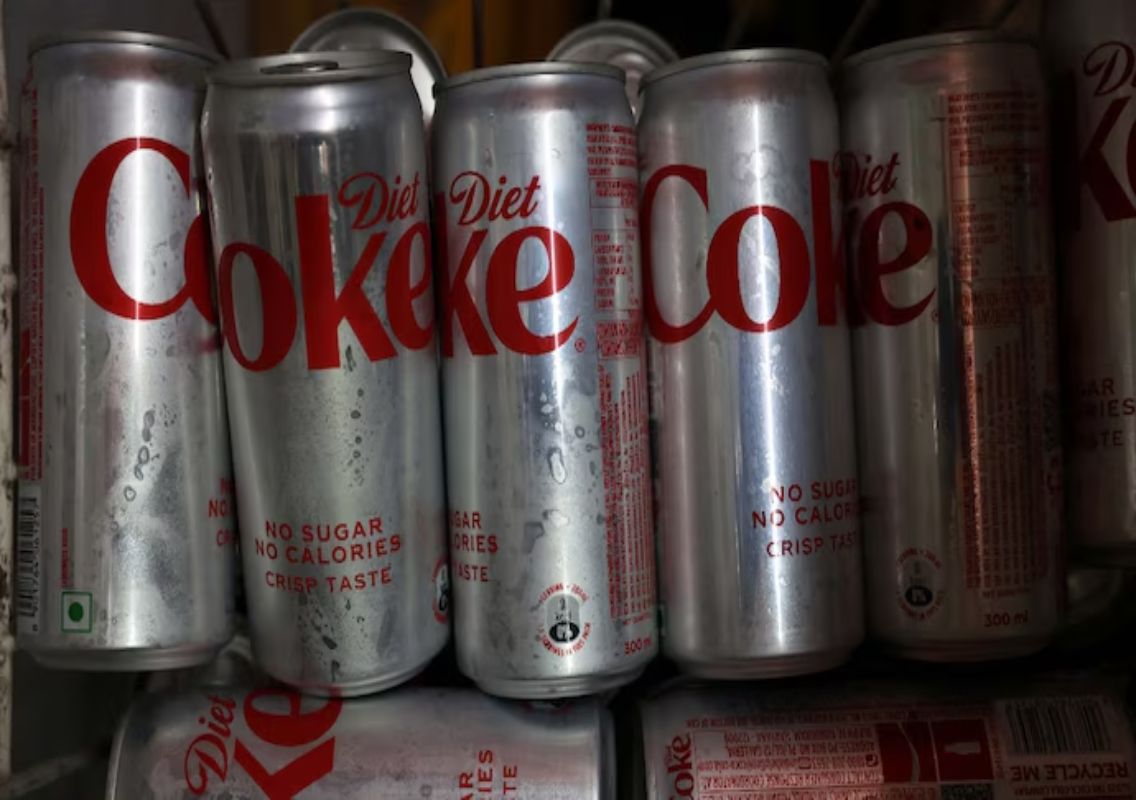
Coca-Cola has increased the price of Diet Coke in India by more than 10% due to supply disruptions of aluminium cans, Reuters reported. It has also moved from selling the regular 300 ml can for Rs 40 to a bigger 330 ml can for Rs 50 as it grapples with supply shortages.
The larger pack looks like better value but the price has gone up more steeply in reality. That’s about a 13.6% increase per ml.
Why Are Aluminium Cans Suddenly in Short Supply?
The problem is not the soft drink itself but the packaging.
Reuters says Coca-Cola is sourcing larger aluminium cans from Southeast Asia due to disruptions to the company’s regular supply chain. Reuters spoke to two people familiar with the matter who said the strategy was adopted because the company’s regular supply of smaller cans had been affected by the ongoing conflict in the Middle East.
The company has not disclosed the price changes publicly or indicated how much of the increase is related to higher packaging costs, freight costs or other supply-chain issues.
How is the Middle East Conflict Affecting Diet Coke?
The trouble began in the Strait of Hormuz, a vital waterway for global maritime trade.
The collapse of an interim ceasefire linked to the Iran conflict has caused a major disruption to commercial shipping in the key passage, Reuters reported, and is affecting the flow of aluminium cans and related raw materials into India.
The International Energy Agency (IEA) estimates that by 2025 some 20 million barrels of crude oil and petroleum products — or almost a quarter of the world’s seaborne oil trade — will pass through the Strait of Hormuz every day. More than 80% of this volume was destined for Asia, with India and China alone taking almost 44% of crude exports transiting the route.
The war hasn’t pushed up the price of every aluminium can directly, but the disruption to shipping has made packaging harder and more expensive to find and companies have been looking for other suppliers.
Why Has Diet Coke Been Affected More Than Other Coca-Cola Drinks?
Diet Coke is more vulnerable in India than most other Coca-Cola drinks in India, which are predominantly sold in aluminium cans.
Coca-Cola also markets other products, such as Coke Zero, in plastic bottles, glass bottles and cans, which provides the company with more flexibility if one packaging format experiences supply constraints.
Reuters also reported that at least one Coca-Cola bottling partner in India has temporarily added Diet Coke in 200 ml glass bottles. The bottles are also pricier than the canned version, which points out the higher price of alternative packaging.
So What Does This Price Hike Really Mean?
The old 300 ml can used to cost Rs 40, which means about Rs 0.133 per ml.
The new 330 ml can costs Rs 50, which brings the price to about Rs 0.152 per ml.
That means an effective increase of some 13.6% per ml, even allowing for the fact that the pack size has also increased.
But the Middle East conflict cannot be held responsible for the entire increase. Coca-Cola has not disclosed what percentage of the retail price is due to higher packaging costs, more expensive freight, inventory limitations or other business choices.
This Is Just a Reminder That Global Disruptions Affect Everyday Consumers
The Diet Coke case shows how fast international political events can filter down into everyday life.
A war thousands of kilometres away disrupted shipping routes, altered the supply of aluminium cans, forced Coca-Cola to seek packaging from different markets and ultimately resulted in higher retail prices back in India.
For companies, it highlights the growing significance of resilient supply chains and diversified sourcing strategies. It’s a reminder that even a familiar soda can can become pricier when global trade networks are strained.
Coca-Cola declined to comment on the pricing changes or its sourcing strategy, Reuters said. But the developments show how disruptions in global logistics can ripple through supply chains and eventually show up on supermarket shelves.
Also Read: Rupee Under Pressure? Here’s How a Weak Currency Could Affect Your EMI, Travel Plans and Everyday Expenses
Priyanka Roshan is a business writer and assistant editor at the NewsX website who tracks everything from stock market swings and corporate earnings to personal finance trends and policy shifts. Known for turning fast-moving business developments into sharp, reader-friendly stories, she combines speed, accuracy, and a data-driven approach to break down complex financial news for everyday audiences.
With over 9.5 years of newsroom experience, Priyanka has worked with leading media organisations, including Bussiness, Times Now, and Ping Digital, covering diverse beats such as business, politics, technology, auto, travel, sports, and the world. From live breaking news desks to SEO-led digital storytelling, she specialises in creating engaging content that keeps readers informed without overwhelming them.
The post Why Has Diet Coke Become Costlier in India? Here’s How the Iran War Is Driving Prices Higher appeared first on NewsX.

Comments are closed.