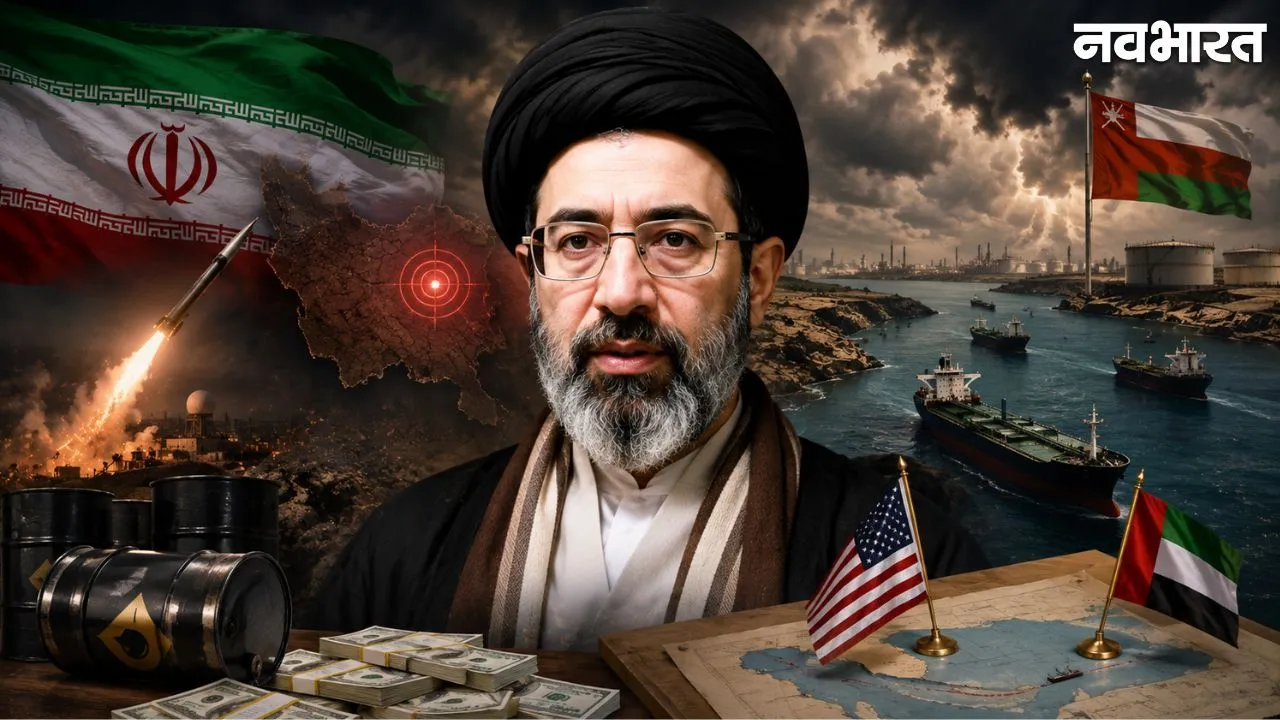
Hormuz Strait Shipping Crisis: Negotiations between Iran and Oman regarding the Strait of Hormuz are in the final stages, but Iran has made it clear that a route agreement alone will not reopen the route. The United Arab Emirates (UAE) has claimed an Iranian missile attack on a ship belonging to its national oil company, further escalating tensions.
Meanwhile, Britain’s maritime security agency, UKMTO, has confirmed that the fire in the ship’s engine room has been extinguished. While Oman has condemned the attacks on ships in the waterway, it has completely refrained from directly naming any country.
Attempts at a Temporary Agreement with Oman
Iranian Foreign Minister Araghchi stated that the agreement reached with Oman does not mean the Strait of Hormuz will be reopened. He explained that the two countries are currently discussing a temporary shipping route as many technical and logistical complications remain.
National Security Council Secretary Mohammad Baqer Zolqadr has set several strict conditions for the US. He stated that this highly strategic route will not be fully reopened until the US lifts sanctions and returns seized Iranian assets.
The Burden of Toll Taxes and Global Inflation
Since the war began, Iran has been levying a heavy toll tax on all foreign oil tankers passing through this maritime area. This arbitrary tax has driven up global crude oil prices, resulting in a massive surge in international inflation.
Ali Akbar Velayati, a senior advisor to the Supreme Leader, claimed that this recent military crisis has proven the true strength of the Iranian military. He said that the crushing defeat of the US and Israel here proves that foreign powers are the main cause of insecurity in the region.
The Resistance Alliance and the US Position
This strategic alliance emerged in 2002 in response to US President George Bush’s provocative statement of “Axis of Evil.” This large coalition includes Hezbollah in Lebanon, the Houthis in Yemen, and several militant groups in Iraq and Syria, all of which continue to operate actively with Iran’s support.
US Vice President J.D. Vance stated that the US is currently considering both diplomatic and military options regarding Iran. He expressed hope that a peaceful resolution to this crisis would allow the global supply of crude oil and gas from the region to return to normal.