
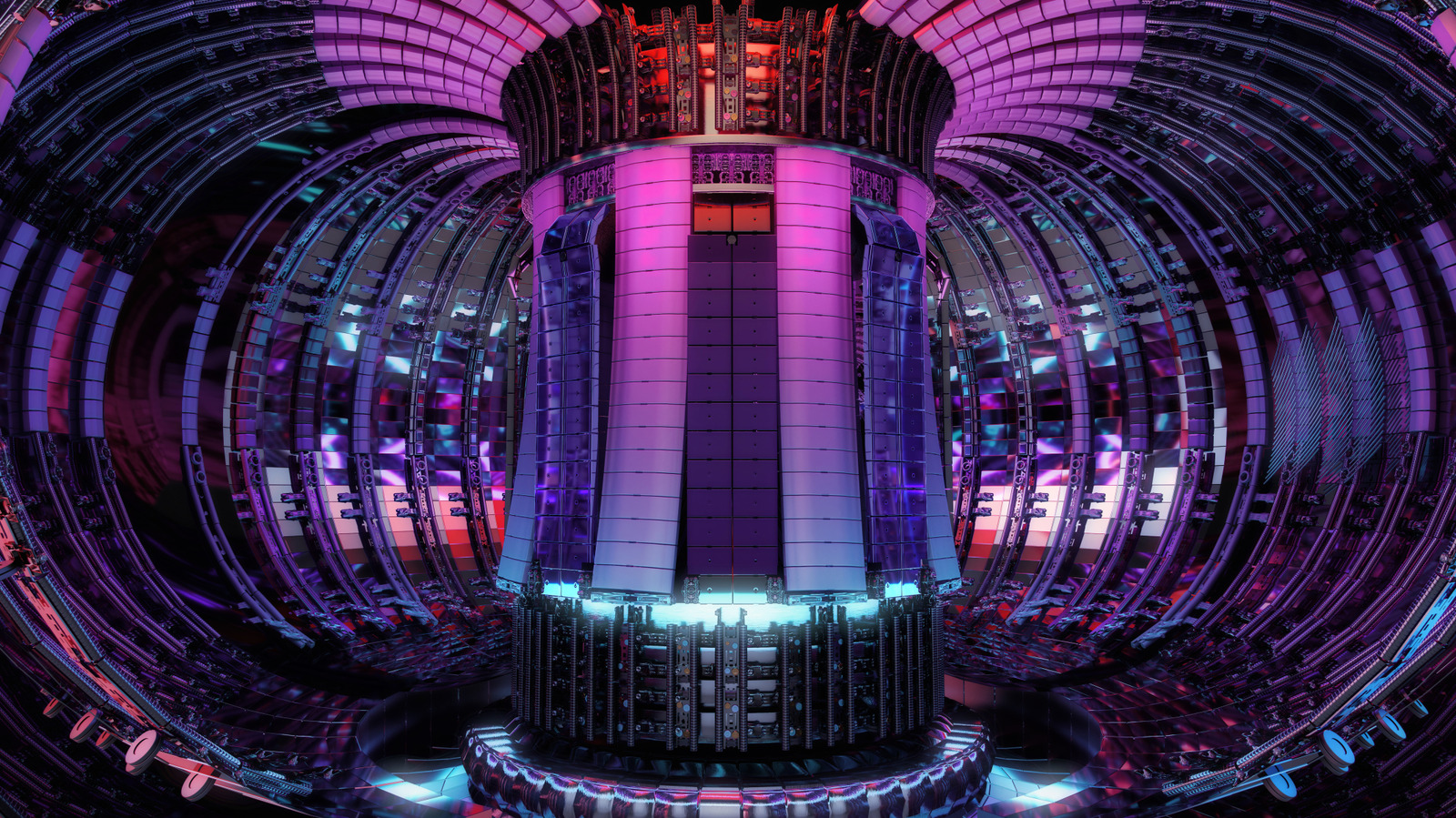

The “40-year” figure is something that gets thrown around more often than it should be when lifespans of nuclear reactors are being discussed — even though it has nothing to do with how long they really hold up. The thing is that when American regulators started handing out operating licenses, 40 years was roughly how long it was expected that the reactor would earn back its construction cost – and that’s how the number stuck. So it was more of an accounting decision rather than anything else, like the components or materials the reactors are made of. Plenty of people back then also figured the then-current version of the technology would be obsolete by that point anyway.
However, those people couldn’t have been any more wrong. With the right upkeep, most of these reactors last a lot longer than initially thought. In fact, the Nuclear Regulatory Commission, the federal agency that licenses every commercial reactor in the country, has been handing out 20-year extensions for these units — once the operator can show how the plant’s parts are wearing down, and how they plan to stay ahead of it.
Most of the American nuclear reactor fleet (all but eight of the reactors running today) has already grabbed these licenses. As it stands, the NRC has been studying reactor aging since 1982, and they have consistently found that any wear is manageable. On top of that, the DOE has reported that there’s no technical limit that stops one at 80 years. Researchers are even looking into whether that limit could stretch to 100 years.
Not every reactor gets to grow old
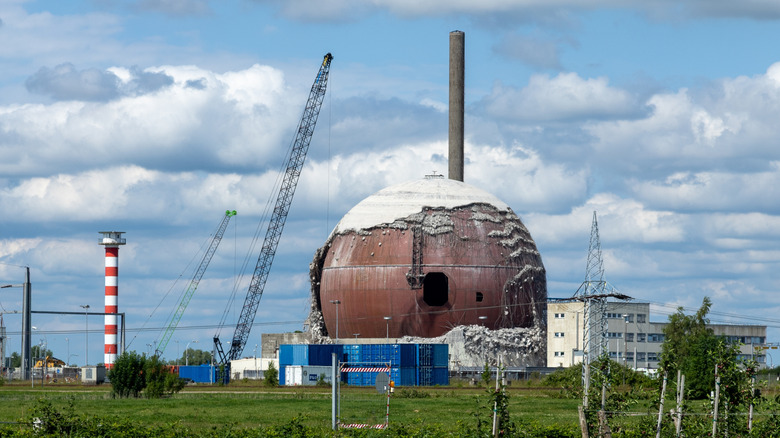
With most of those first extensions set to expire through the 2030s, there’s now a second 20-year renewal on the table, and a few reactors have already scored one. That said, not all nuclear plants made the cut for extension, though that was simply because they’ve been operating far longer than others. The first 80-year extension only arrived in 2019, and most of the reactors decommissioned in the U.S. shut down earlier than that.
When it finally is decommissioning time, the reactor goes through a relatively tedious process. It all starts with unloading the fuel, before moving onto scrubbing contamination off everything the fuel touched. It only concludes when regulators agree the site is clean enough, once the radiation left in the soil sits under the legal limit.
There are three ways to retire a plant. Immediate dismantling means crews start the process within months of shutdown, though even then the land is available only after a decade for other uses. Then there’s the Safstor (short for safe storage) method. In it, the buildings get sealed and monitored for 40 to 60 years while the radioactivity fades. Finally, there’s entombment, which means burying anything that’s left in concrete and leaving everything right there. The Chernobyl plant, a tragic time capsule even 40 years later, went with Safstor – though the reactors are estimated to not be dismantled until the 2060s.
The oldest reactors still running fired up in 1969
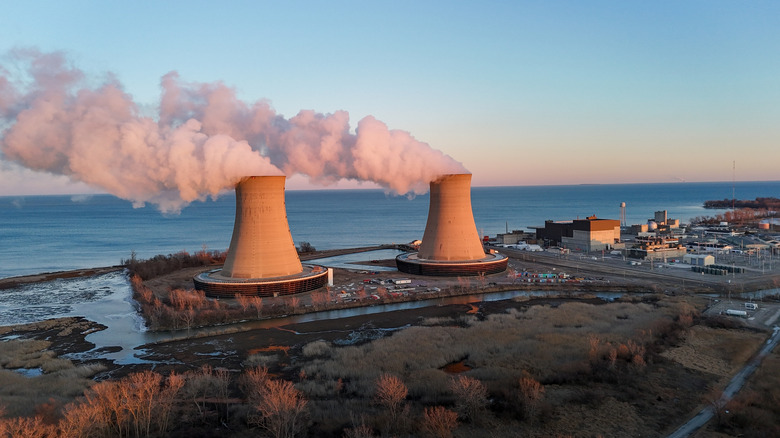
Today, in the USA – the country that generates the most nuclear power – the average reactor age sits at about 44 years, as of March 2026. If newer estimates are taken into account, that’s a little over half the total lifespan, so there’s plenty of open road ahead.
Money and regulation can save a reactor, too, as easily as it can kill one. For instance, for six years, India’s two oldest reactors were being kept offline. They were close to being killed off, but the country spent that entire stretch rebuilding them and replacing their coolant recirculation piping. These reactors — Tarapur units 1 and 2 — are a pair of General Electric units on the Maharashtra coast, and they went commercial way back in 1969, making them the oldest operating reactors on the planet today. Both went dark in 2020 before roaring back to life in June 2026. Something similar happened with Japan’s largest nuclear reactor, which was taken offline just a day after reopening — though it’s online again now. That said, both Beznau 1 in Switzerland and Nine Mile Point 1 in New York also date to 1969, so the podium is a bit crowded.

Comments are closed.