
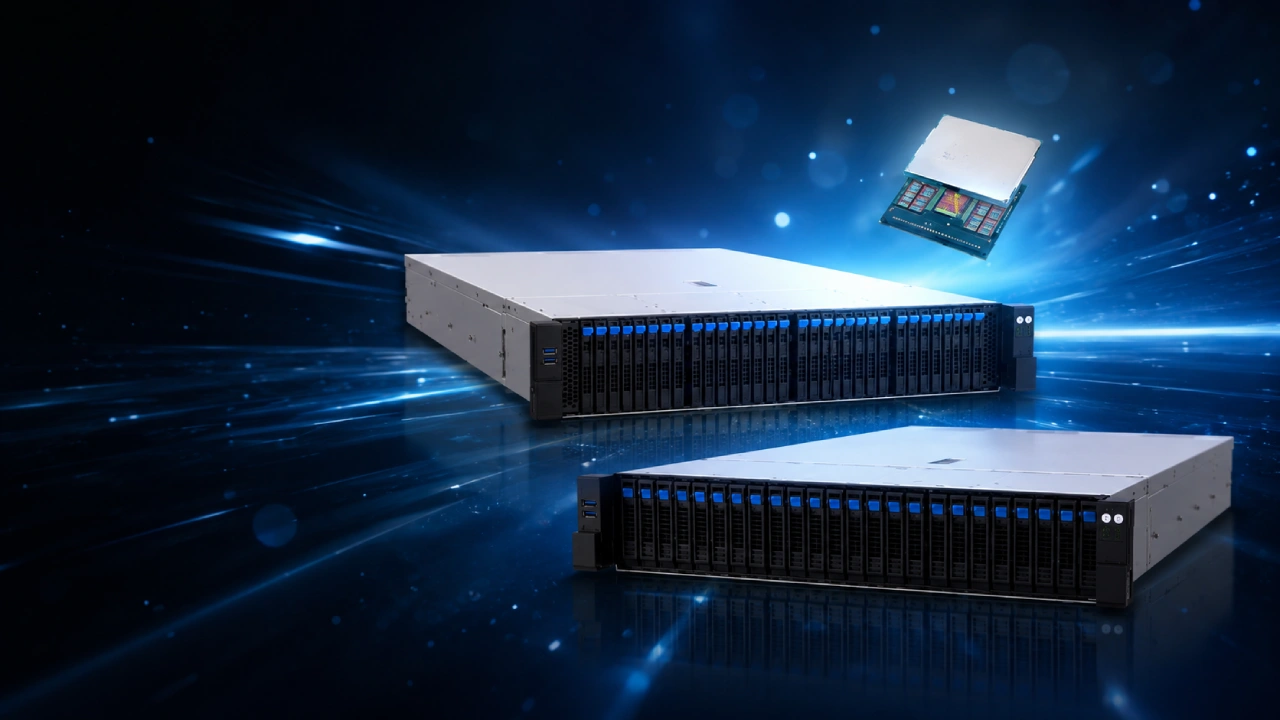

The ASUS EPYC 9006 server lineup is designed to reuse the existing EPYC Turin base while introducing several performance upgrades and general refinements. The idea is that the EPYC 9006 platform will lean hard into a few practical zones, like better power efficiency, higher clock speeds, refined performance tuning, and more overall platform maturity for enterprise use cases.
Now that AMD and ASUS have officially released definitive details about exact specifications and specific features for these new chips, this refined architecture strategy matches what AMD has done in the past before moving to a next-generation architecture.
ASUS EPYC 9006: Tailored For The AI And Modern Data Center Era
Since server hardware vendors are already shaping their whole platforms with AI workloads in mind, ASUS has introduced dedicated systems for this transition. The new EPYC 9006 servers bring the kind of scalability that enterprises need for AI model training, inference processing, cloud-native applications, virtualization, and even scientific computing. And as companies keep pouring money into AI technologies, server makers are putting more focus on higher compute density, larger memory capacity, stronger PCIe support, plus better accelerator integration.
With these official releases, ASUS ’s latest systems will likely help grow AMD’s market share inside hyperscale data centers, where the EPYC platform has been steadily gaining ground vs competitors.
The Enterprise Market Keeps Getting More Cutthroat
The alleged ASUS lineup is showing up while competition in the server processor space is heating up. AMD and Intel are both working on improving and extending their EPYC and Xeon portfolios in order to match the expanding needs of AI infrastructure, enterprise computing, and hyperscale cloud providers. Hardware makers such as ASUS, Supermicro, Dell Technologies, Lenovo, and HPE are constantly updating their server product stacks too, basically so they can support the newest processor generation and keep up with the fast-rising appetite for AI-ready hardware.
By boosting its support for AMD’s newest EPYC generation, ASUS is pushing further into the enterprise space, which also complements its existing consumer PC and gaming areas.
ASUS Broadens Its Enterprise Offerings
BenchLife’s report suggests that ASUS is in the middle of developing several server platforms, meant to back AMD’s upcoming EPYC 9006 processors. The company is aiming these systems at a wide range of enterprise uses, like cloud computing, artificial intelligence, virtualization, high-performance computing (HPC), and large-scale data center rollouts.
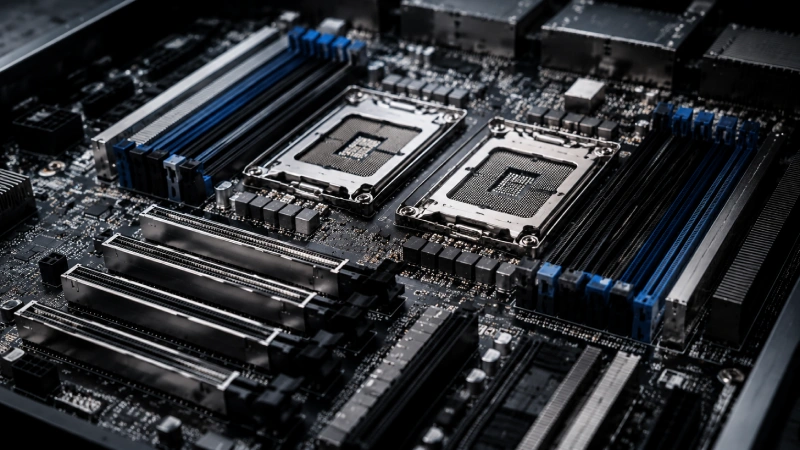
Overall, this move points to the growing need for server infrastructure that can manage intense tasks, especially AI inference, machine learning, and newer enterprise workloads. At the same time, the design priorities seem to include strong core density and dependable memory bandwidth.
Official Announcement Still Pending
Neither ASUS nor AMD has yet actually officially announced the looming server lineup, or the EPYC 9006 processor series either. The information comes from BenchLife, and the outlet says that various hardware partners are already tuning up systems for a near-term release.
More specifics, such as processor specs, core count, platform features, timing for the launch, and the exact server configurations, are expected to surface after AMD finally reveals the EPYC 9006 “Turin Refresh” lineup.
Conclusion
Per BenchLife, ASUS is reportedly working on a fresh set of enterprise servers meant to carry AMD’s upcoming EPYC 9006 “Turin Refresh” processors. Even if no official details have been shared, this said lineup points to ongoing spending and focus toward AI, cloud, and high-performance computing infrastructure. With global demand pushing harder for AI-ready servers, the EPYC 9006 platform could end up mattering a lot in AMD’s broader data center plan once it’s formally released.
Also, since AMD hasn’t made an official statement about EPYC 9006 yet, this new report basically implies that partner vendors are already moving through final steps for their offerings, ahead of the expected launch.

Comments are closed.