
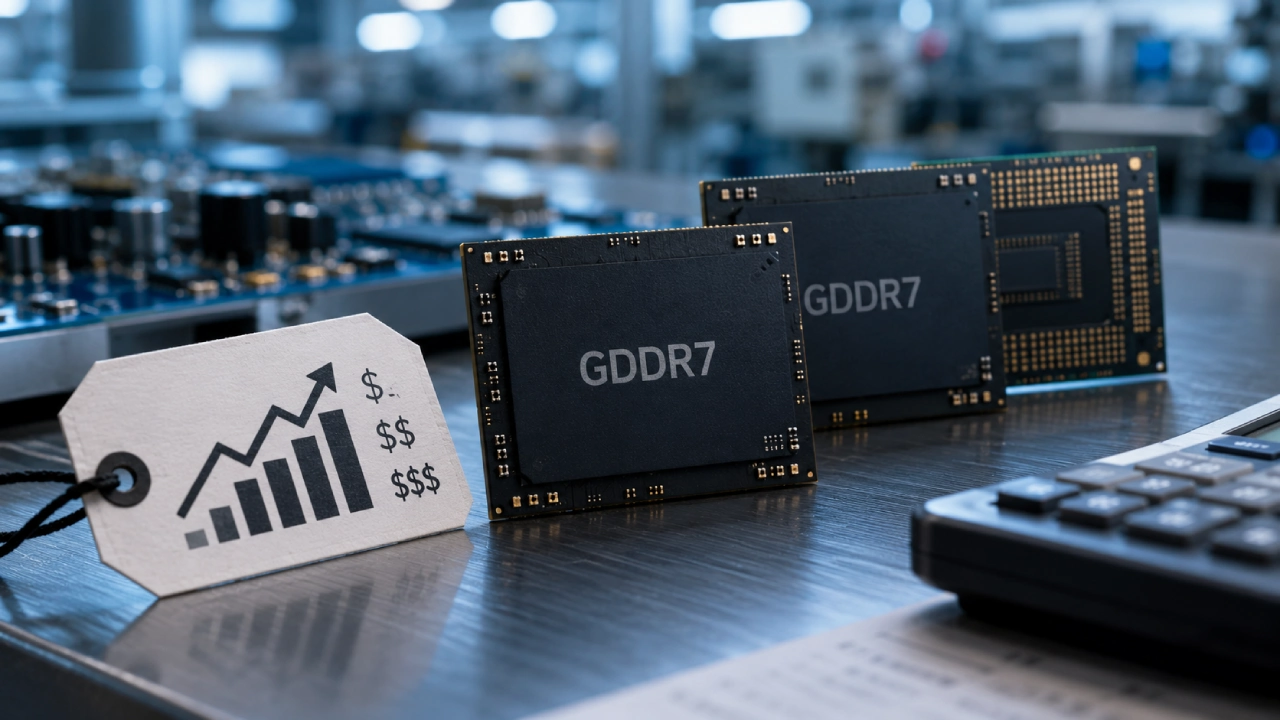

Word on the street about NVIDIA’s pricing just got way noisier after fresh supply chain details dropped into view. BenchLife pulled back the curtain, showing private alerts sent out to top add-in card makers regarding incoming price hikes on complete GPU kits. Normally, green team execs package GPU silicon directly with memory chips, shipping these combined hardware bundles off to partner factories.
Back in May, we saw those high-end RTX 5090 leaks. People were initially on board, except these fresh internal notes prove the price increases are not stuck on halo cards anymore; it is spreading everywhere. Both next-generation architectures and older memory platforms are getting dragged right into this cost bump.
NVIDIA stays tight-lipped, ignoring requests to discuss internal partner pricing models like they always do. Behind the scenes, manufacturers are already sweating over spreadsheets, figuring out how to survive higher baseline component bills before assembly lines start rolling.
The GDDR7 Price Trap: Why New VRAM Costs Are Crushing PC Build Budgets
VRAM costs are blowing up. If you look closely at high-end cards running brand new GDDR7 memory, the bill of materials math gets ugly real fast. Industry insiders say individual 3GB GDDR7 modules cost between sixty and seventy dollars a pop right now.
Standard 2GB modules sit around twenty bucks. That massive gap brutally jacks up baseline build costs on larger capacity cards.
Old tech is not safe either. NVIDIA’s pricing memo explicitly calls out GDDR6 silicon too. Mid-range gear, entry-level cards, even last generation’s leftover inventory- everyone pays the tax now.
Memory is not the only headache accumulating on assembly lines, but coolers cost more. Custom multi-layer PCBs got pricier. Even fancy cardboard retail packaging takes a bite out of thin margins.
Sure, those non-memory component hikes look small on paper compared to VRAM spikes, but combined together they crush hardware margins completely. Word is, upcoming RTX 50 SUPER refreshes are already facing internal delays while engineers panic over revised cost structures.
Margin Meltdown: How Board Partners Are Surviving Nvidia’s Sudden Supply Chain Hike
Financial fallout here hits hard. Board partners have to react immediately. When base kit prices jump, manufacturers face a nasty choice: eat ruined profit margins or push higher MSRPs straight onto buyers. Production lines are pivoting on the fly.

Factory planners are scrambling right now. Maybe they strip down thermal designs or cheap out on PCB components just to keep retail prices somewhat reasonable. Alternatively, companies might ditch budget cards entirely, shifting factory capacity toward high-margin monsters that absorb VRAM expenses better.
If GeForce hardware gets priced out of reach, competing GPU architectures suddenly look pretty attractive to budget-minded gamers looking for real value.
Buyer Beware: What Nvidia’s Price Surge Means for Your Next PC Upgrade
Gamers and system builders now stand at the center of this pricing shakeup. As production expenses climb, retail shelves will inevitably reflect these mandatory adjustments.
Shoppers must decide whether immediate upgrades make financial sense or if waiting for market stability yields better long-term value. Smart bundling becomes essential for every smart PC hardware buyer.
Conclusion
NVIDIA bumping kit prices highlights systemic memory cost pressures hitting GDDR7 and GDDR6 chips alike. Board partners will keep fighting rising manufacturing overhead, and honestly, PC gamers should prepare their wallets for sticker shock across desktop shelves everywhere.

When raw material costs soar this fast, someone has to pay the final bill. Tech enthusiasts hoping for cheap upgrade paths this season might need to rethink their PC build plans entirely.
Nobody wins when component inflation runs wild like this, but until global alternative memory supplies catch up with demand, elevated retail prices remain the temporary new reality. Keep your eyes glued on retail listings over the coming months to spot unexpected deals floating around hardware shops.

Comments are closed.