

New Delhi: Every monsoon, public health authorities intensify efforts to curb mosquito breeding, strengthen disease surveillance and prepare hospitals for a seasonal rise in dengue cases. While these measures remain vital, health experts warn that another growing challenge is undermining dengue control—misinformation.
False or misleading claims about dengue symptoms, treatment and prevention continue to circulate widely on social media and messaging platforms. Experts say such misinformation can delay medical treatment, encourage self-medication and weaken community efforts to prevent outbreaks.
According to the World Health Organization (WHO), dengue is one of the world’s fastest-growing mosquito-borne viral diseases, with billions of people living in areas at risk. India witnesses a seasonal increase in dengue cases during and after the monsoon, making public awareness an essential component of disease prevention alongside mosquito control and surveillance.
How dengue spreads
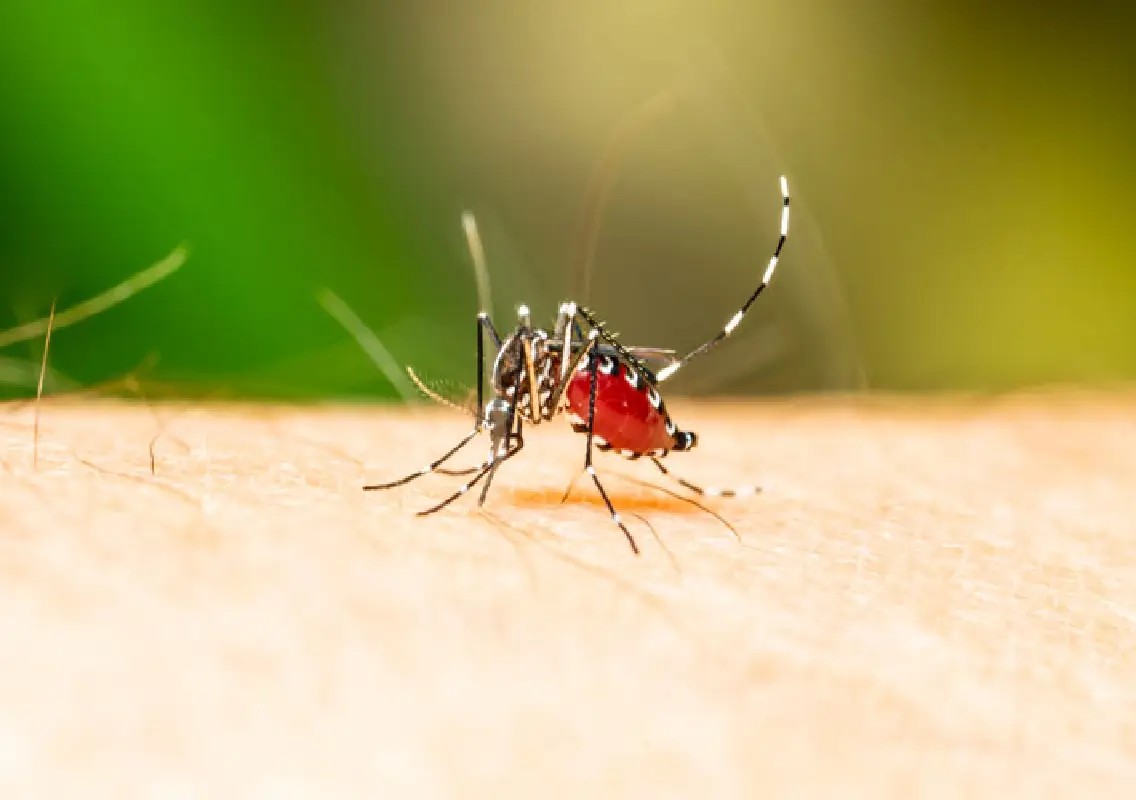
Dengue is caused by a virus transmitted through the bite of infected Aedes mosquitoes, primarily Aedes aegypti.
Health experts emphasise that dengue does not spread directly from one person to another through casual contact such as shaking hands, sharing food or staying in the same room with an infected individual.
Despite this, misconceptions about transmission continue to circulate online, often presented without scientific evidence, leading to confusion among the public.
Common myths surrounding dengue
Medical professionals caution that several persistent myths can influence people’s decisions during dengue outbreaks.
Among the most common misconceptions are:
- Dengue spreads directly from one person to another.
- Home remedies alone can cure severe dengue.
- Every fever during the rainy season is dengue.
- Dengue vaccines are unsafe or should never be considered.
Experts warn that relying solely on home remedies may delay medical care until complications become severe.
Similarly, assuming every fever is dengue can result in self-medication without proper diagnosis, while misinformation about vaccines may reduce public confidence in scientifically proven preventive measures.
Vaccines and scientific evidence
Advances in medical research have led to the development of dengue vaccines for selected populations.
The World Health Organization has recommended the Qdenga (TAK-003) vaccine for eligible groups in countries where national immunisation programmes support its use.
However, experts stress that vaccination should always follow recommendations issued by national health authorities, as eligibility depends on local disease patterns, public health strategies and regulatory approvals.
Health authorities emphasise that vaccine-related decisions should be guided by scientific evidence rather than rumours or unverified social media posts.
Recognising warning signs
Although many people recover from dengue with supportive treatment, some patients may develop severe dengue requiring immediate medical attention.
Doctors advise seeking urgent medical care if any of the following warning signs appear:
- Persistent vomiting
- Severe abdominal pain
- Bleeding from the gums or nose
- Blood in vomit or stools
- Extreme weakness or unusual drowsiness
- Difficulty breathing or restlessness
Early diagnosis and medical evaluation improve the chances of identifying complications before they become life-threatening.
Importance of effective public communication
Public health experts say clear and accurate communication is as important as mosquito control in reducing the impact of dengue outbreaks.
Health campaigns become more effective when information is presented in simple language and tailored to local communities.
Schools, healthcare institutions, community organisations and the media all play an important role in ensuring that reliable health guidance reaches the public before misinformation spreads.
Healthcare professionals also contribute by explaining how dengue spreads, when testing is required and why warning signs should never be ignored.
Experts believe that consistent, evidence-based communication helps people make informed health decisions rather than reacting to fear or rumours.
Public role in preventing misinformation
Individuals are also encouraged to verify health-related messages before sharing them with others.
Experts advise checking whether medical information originates from recognised public health agencies or qualified healthcare organisations.
Sharing unverified messages can unintentionally spread confusion and interfere with disease control efforts during outbreaks.
Simple steps to prevent dengue
Health authorities continue to recommend basic preventive measures to reduce mosquito breeding and minimise the risk of infection:
- Remove stagnant water from containers in and around homes.
- Keep water storage tanks and containers tightly covered.
- Wear clothing that reduces mosquito exposure where appropriate.
- Use mosquito repellents, mosquito nets and protective window screens.
- Seek prompt medical advice if fever develops, particularly during the monsoon season.
Combating both mosquitoes and misinformation
Experts emphasise that controlling dengue now requires a dual approach—eliminating mosquito breeding and combating misinformation.
Mosquito control, early diagnosis and timely medical treatment remain the pillars of dengue prevention. However, improving public understanding through accurate, science-based information has become equally important.
As dengue continues to pose a significant public health challenge, authorities stress that informed communities are better equipped to recognise symptoms early, adopt preventive measures and seek timely medical care, ultimately helping reduce the burden of the disease.

Comments are closed.