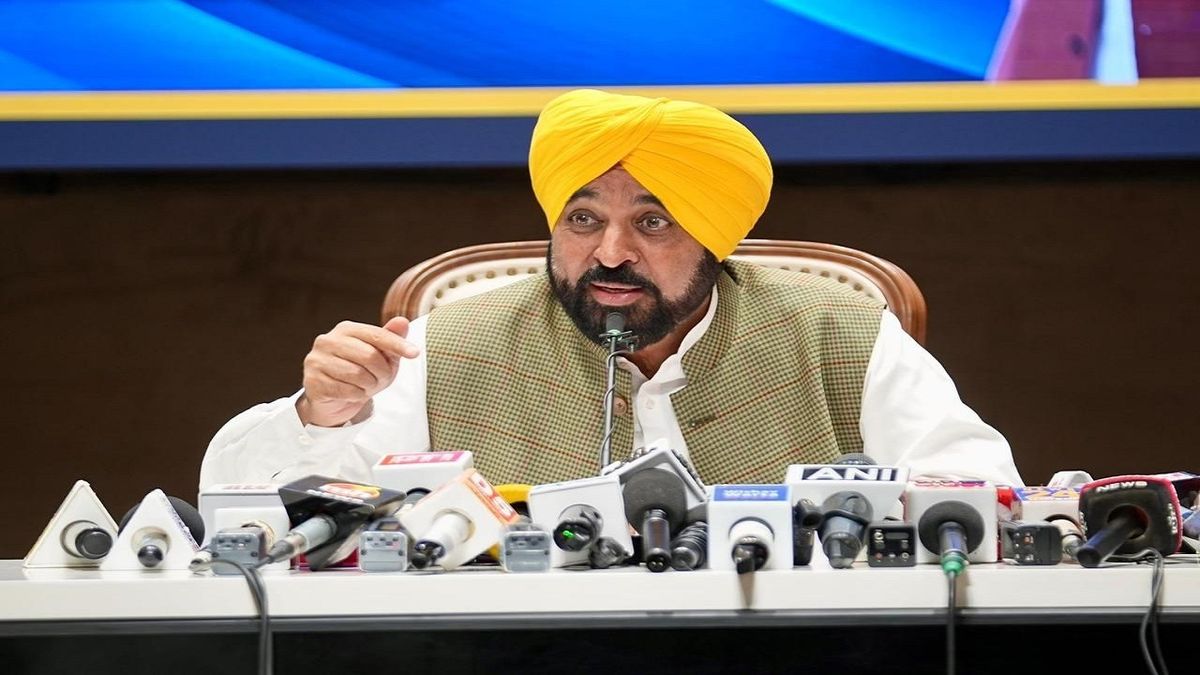
When India is celebrating its 80th Independence Day, freedom from the fear of expensive medical treatment in case of emergency is also emerging as an important measure of public welfare. Cashless treatment up to ₹10 lakh per family per year is being provided under the Mukhyamantri Sehat Yojana (MMSY) in Punjab and more than six lakh treatments have been registered under the scheme in the last seven months.
According to the data of the state health agency, 26,18,712 beneficiaries have been registered so far against 69,12,697 eligible families. So far, 3,02,906 patients have received treatment, which includes 6,06,892 treatments and 15,267 procedures. There are 880 empaneled hospitals under the scheme, while the average claim amount recorded is ₹14,628.04.
1,85,220 emergency cases also registered
On this occasion, Punjab Health and Family Welfare Minister Dr Balbir Singh said, “From dialysis to cancer treatment, six lakh treatments have been completed in Punjab under the Mukhyamantri Sehat Yojana. The scheme is particularly being utilized in critical and expensive health services. 1,99,417 chronic hemodialysis treatments have been done, while 60,504 cancer cases and 1,85,220 emergency cases have also been recorded.” Are.”
Rs 6.79 crores were spent
Additionally, cardiac treatment also remains a major part of the plan. According to the data, 10,428 PTCA procedures, including diagnostic angiography, have been performed at an expense of Rs 100 crore. Around ₹8.20 crore was spent on 611 coronary artery bypass grafting (CABG) treatments, while around ₹6.79 crore was spent on 507 pacemaker procedures.
Rs 33.14 crore spent on dialysis cases
The scheme has also been used extensively in bone and joint related treatments. A total of 11,796 knee replacements were performed, at a cost of ₹94.89 crore. 1,092 total hip replacements were also recorded under the scheme, costing ₹10.75 crore. In addition, more than 2,200 procedures of fracture fixation were performed. About ₹159.41 crore was spent on 60,504 recorded cases of cancer treatment, while ₹33.14 crore was spent on 2,02,793 recorded dialysis cases.
The benefits of this scheme are reaching both government and private hospitals. 3,36,161 cases were treated in private health institutions, while 2,70,731 cases were treated in government hospitals. The expenditure recorded was ₹614.08 crore and ₹479.85 crore respectively.
District level data revealed different patterns of treatment utilization. Maximum 28,977 patients were treated in Patiala, followed by 23,446 in Bathinda, 22,620 in Ludhiana and 20,193 in Jalandhar. The highest expenditure of ₹200 crore was recorded in Bathinda, followed by ₹100 crore in Patiala, ₹99.23 crore in Amritsar and ₹91.30 crore in Jalandhar.
Behind the figures, the stories of the beneficiaries
The figures reflect the level of planning, but the experiences of beneficiaries reveal what access to cashless health services means to families. Sandeep Kaur, who underwent treatment for gall bladder and spine related problems, said that the treatment has helped her return to a better life. She said, “After successful treatment, I am much better than before. I am living my life with new hope.”
For Nishi Gupta, who is undergoing treatment for breast cancer, the health card has reduced the financial stress associated with long-term treatment. She said, “Through the health card, my breast cancer treatment has started free of cost and continues without any expense. This has brought great relief to me and my family.”
expressed gratitude for the cooperation
For Hakam Singh of Patiala, the scheme proved vital during a sudden cardiac emergency. Recalling his symptoms, he said, “Suddenly I started having chest pain.” After getting free treatment for heart disease, Hakam Singh expressed his gratitude for the government's support and said that now he can live a more happy life.