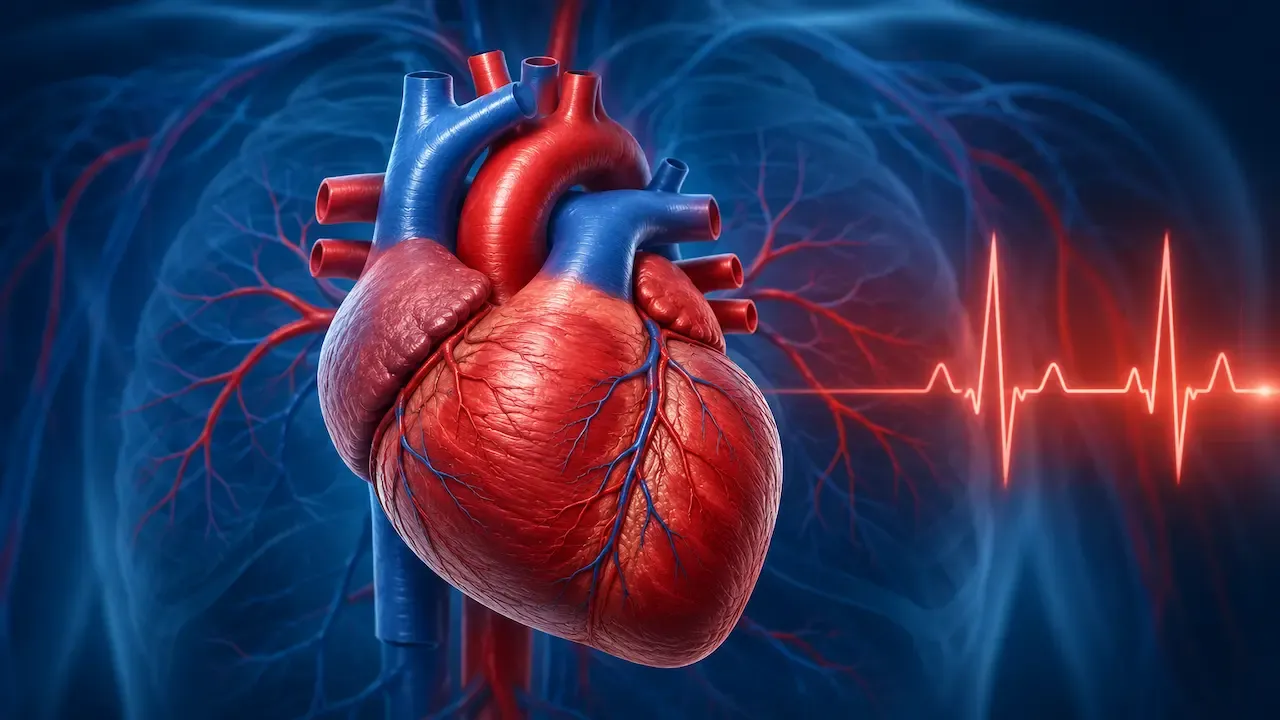
cardiomyopathy symptoms-Heart is a very important part of our body and people’s attention regarding heart health often goes to risks like high cholesterol and blood pressure or heart attack. But very few people pay attention to the heart muscles. Our heart continuously pumps blood to deliver oxygen and essential nutrients to every part of the body. In such a situation, if there is weakness or change in the heart muscles, then the condition is called cardiomyopathy. In cardiomyopathy, the heart muscles can become weak, thick or hard, due to which the ability of the heart to pump blood can be affected. This can affect the entire body. Let us know about the causes, symptoms and treatment of cardiomyopathy.
What is cardiomyopathy?
According to National Center for Biotechnology Information Cardiomyopathy is a condition related to the heart muscle, in which the heart muscle weakens and becomes abnormally thick or hard, due to which the heart’s ability to pump blood and function normally is affected. In some cases, patients may have problems like shortness of breath, fatigue and irregular heartbeat. The effect of cardiomyopathy can be different from person to person. Mild symptoms may appear in some people, while the disease may take a serious form in others. In some people this problem can also be genetic.
Types of cardiomyopathy
There are many types of cardiomyopathy, but which are the most commonly seen. they are dilated cardiomyopathy, Hypertrophic cardiomyopathy, restrictive cardiomyopathy, and arrhythmogenic cardiomyopathyIn dilated cardiomyopathy, the heart muscles may become weak and one of the walls of the heart may expand. Weak muscles may make it difficult for the heart to pump adequate amounts of blood. In hypertrophic cardiomyopathy, the heart muscles become excessively thick, due to which the heart’s ability to pump blood can be affected. If Talking about restrictive cardiomyopathy, it includes The heart muscles become stiff. Due to this, there may be difficulty in getting enough blood. This can cause problems in adequate blood reaching different parts of the body. In arrhythmogenic cardiomyopathy, some parts of the heart muscle may develop fatty or scar tissue in place of normal muscle.
Symptoms of Cardiomyopathy
Symptoms of cardiomyopathy may appear different in all patients. Many people do not experience any specific symptoms in its initial stages, but as time progresses, its symptoms may start appearing, which include:
- chest pain or heaviness and Shortness of breath even when doing normal work
- feeling faint
- feeling tired very quickly
- fast or irregular heartbeat
- difficulty in physical activity
- Dizziness
- swelling in feet and ankles
- difficulty breathing while lying down
- Waking up due to shortness of breath at night
Note: Along with this, also keep in mind that these symptoms can be caused by other heart diseases other than cardiomyopathy. Please visit a doctor for proper examination.
Risk of cardiomyopathy may increase due to these reasons
There can be many different reasons behind cardiomyopathy in all patients. But people who have long-term high blood pressure, coronary artery disease, have had a heart attack in the past or have problems related to heart valves, have a higher risk. Apart from this, in some cases, excessive alcohol consumption, some medicines or intoxicants and some metabolic changes in the body can also be associated with its risk. In some cases there is no obvious cause and in some people it may also have a genetic cause.
Cardiomyopathy test
To diagnose cardiomyopathy, the doctor may first know the patient’s symptoms and medical history and also conduct some tests, such as ECG, which provides information about the heartbeat and its electrical activity. Apart from this, echocardiography (in which the structure of the heart is detected with the help of ultrasound), chest X-ray and in some patients cardiac MRI can also be done.
treatment of cardiomyopathy
If there is sudden severe chest pain, severe difficulty in breathing, fainting or heartbeat feels very irregular, it is important to seek medical help immediately. Treatment of cardiomyopathy is not the same in all patients. It depends on the type of disease, cause, symptoms and heart function. Doctors can give some medicines to control blood pressure, reduce excess water accumulated in the body, control heartbeat or reduce the pressure on the heart. Apart from this, In serious cases, surgery may also be required.
These things in lifestyle keep Attention
To maintain your good health, good heart health and to prevent diseases like cardiomyopathy, you need to adopt a healthy lifestyle. For this, take a healthy diet, which includes fruits, vegetables, whole grains and protein-rich foods. Apart from this, limit the intake of salt and high fat foods, drink enough water and exercise regularly. But keep in mind that do regular physical activity as per your capacity and doctor’s advice. The most important thing is to keep blood pressure and cholesterol under control: get them checked from time to time. Avoid smoking, which can negatively affect heart health, and avoid alcohol consumption. Apart from this, pay special attention to your sleep. For this, take 7 to 8 hours of quality sleep. Excessive stress can also cause high blood pressure and heart problems. Therefore, if you feel more stressed, then do meditation daily. Apart from meditation, include yoga or relaxing activity of your choice in your daily routine.
FAQ
What is cardiomyopathy?
Cardiomyopathy is a disease related to the heart muscle. In this, the heart muscles can become weak, thick or stiff, which can affect the heart’s ability to pump blood.
What are the main symptoms of cardiomyopathy?
Its common symptoms may include shortness of breath, early fatigue, chest pain, dizziness and irregular heartbeat. Some people do not show any symptoms initially.
When should one consult a doctor in cardiomyopathy?
If you experience persistent shortness of breath, chest pain, fainting, swelling in the legs or abnormal heartbeat, you should contact a doctor.