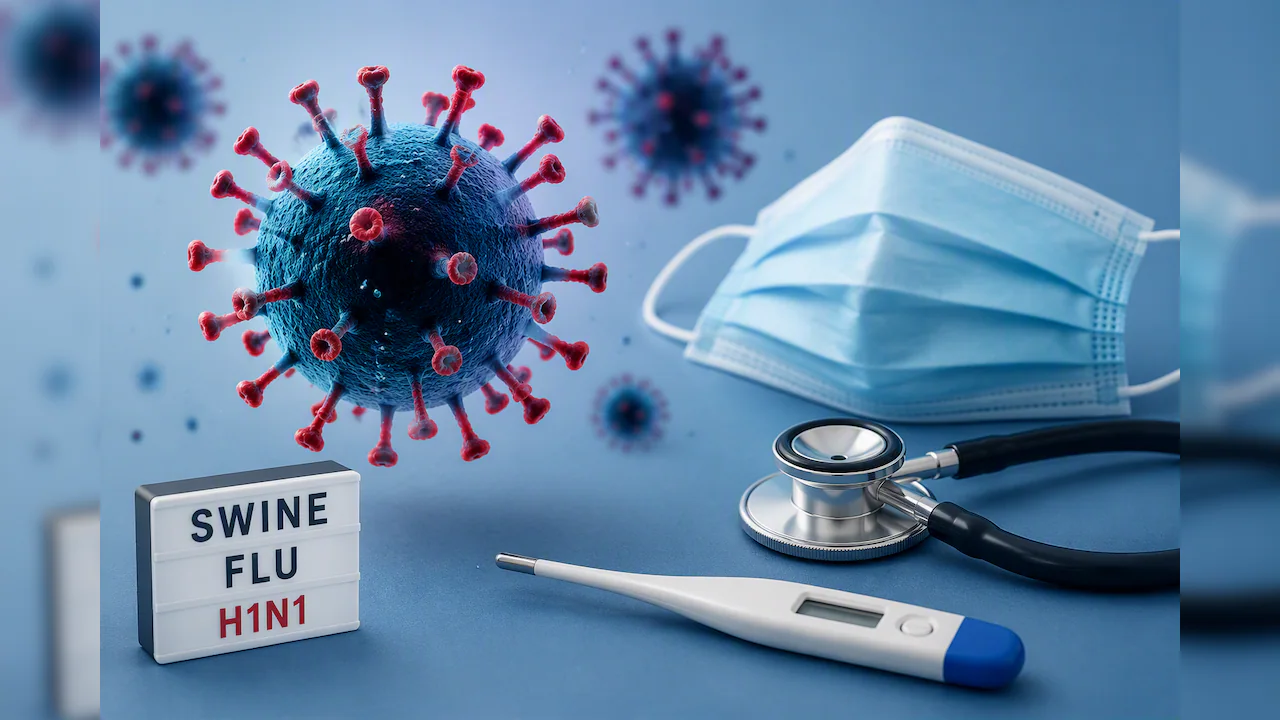
Tezzbuzz Desk- Symptoms like fever, cough, headache and body ache can be seen in both swine flu and common viral infections. In such a situation, it is difficult to confirm H1N1 on the basis of symptoms alone. Know which signs you need to be cautious about and when you should consult a doctor.
With changing weather, problems like fever, cough, sore throat and cold become common. But when there is body pain and extreme weakness along with high fever, many people start worrying whether it is swine flu i.e. H1N1 influenza. In fact, the symptoms of influenza and common cold are often similar. According to the World Health Organization, influenza can cause symptoms such as sudden fever, dry cough, headache, muscle and joint pain, extreme fatigue, sore throat and runny nose.
How to differentiate between swine flu and viral fever?
Just by looking at the intensity of fever, it cannot be decided whether the infection is H1N1 or normal viral. Symptoms of flu often start suddenly and may include fever, body aches, headache and extreme weakness.
In comparison, symptoms like sneezing, runny nose, nasal congestion and sore throat can be more prominent in common cold. However, symptoms are not the same for every person and many other viruses can also cause flu-like symptoms. Therefore, it is not possible to make a definite diagnosis based on symptoms alone.
These symptoms can be seen in swine flu or influenza
- Sudden fever.
- Dry or persistent cough.
- Headache and body ache.
- Pain in muscles and joints.
- Excessive fatigue and weakness.
- Sore throat.
- Runny nose or nasal congestion.
- In some cases, the infection can become serious and cause complications like pneumonia.
What happens in common viral or cold?
Common viral infections may also cause fever, cough, sore throat and weakness. Sometimes the symptoms increase gradually and sneezing, runny nose or nasal congestion can be more bothersome.
But it is important to understand that 'viral fever' is not a single disease. Different viruses can cause similar symptoms. For this reason, it is not always correct to say whether the infection is normal or influenza just by looking at the symptoms.
How is confirmation done by test?
If the doctor suspects influenza, a flu test may be recommended depending on the patient's condition and risk. Influenza virus can be identified through laboratory testing of respiratory samples. Infection can be confirmed by molecular tests like RT-PCR.
Therefore, in case of high fever or cough, it is not right to assume that it is H1N1. Doctors take decisions based on symptoms, severity of the disease and tests, if necessary.
Who should be more careful?
Anyone can get influenza infection, but some people are at higher risk of serious illness. These include young children, the elderly, pregnant women and people with chronic health problems such as diabetes, heart or lung disease. People with weak immunity may also be at higher risk of complications.
If you start feeling short of breath, seek medical help immediately
If fever and cough are accompanied by difficulty in breathing, shortness of breath, chest pain, extreme weakness or rapidly worsening condition, then it should not be ignored. Severe influenza can cause pneumonia, severe breathing problems, and other complications.
Do not take antibiotics on your own during treatment
Most mild flu cases require rest, adequate fluids, and symptomatic care. Doctors may consider antiviral medications for patients with severe symptoms or high-risk patients. Antibiotics do not work against viruses, so it is not advisable to take them without doctor's advice.
What to do for protection?
Vaccination is one of the most effective ways to prevent influenza. Apart from this, it is also important to rest at home when sick, cover the mouth and nose while coughing or sneezing, wash hands regularly and avoid getting very close to the infected person.
Not every high fever is swine flu and the symptoms of common viral infections can sometimes be flu-like. Therefore, instead of panicking, keep an eye on the symptoms. If the condition is worsening, there is trouble in breathing or the patient falls in the high-risk group, then contact the doctor immediately.