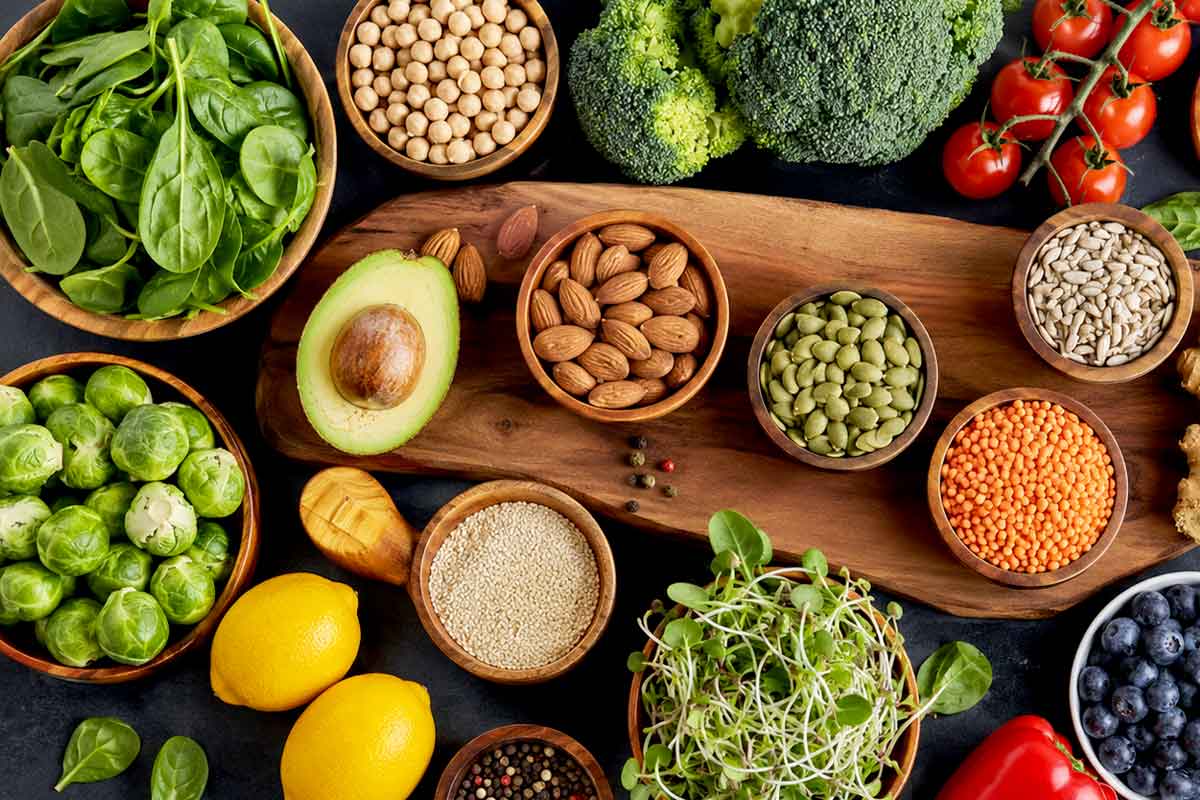
Vitamin tablets, multivitamins or supplements are now a part of many people's daily routine. But do you know, the first and most important source of nutrients required by the body is your daily diet.
When you wake up in the morning tiredness, hair and skin care or bone health, the first thing that comes to mind is some kind of supplement. There is no shortage of it in the market. From vitamin C to calcium, from iron to multivitamins, there are various types of tablets and capsules for multiple nutrients.
But before taking a supplement, look at the nutrition facts. Because the body doesn't just want a certain vitamin or mineral. Different nutrients are required. Foods like fruits, vegetables, pulses, grains, nuts and seeds, yogurt contain vitamins and minerals as well as fiber, antioxidants and other beneficial plant components.
National Nutrition Week (National Nutrition Week) or National Nutrition Week, so the advice of experts, do not rely on supplements for no reason, look at your food plate first. However, if the body is deficient in certain nutrients or in special physical conditions, supplements may be required as per the advice of the doctor.
Why is food ahead?
According to nutritionists, the body gets multiple nutrients from the food on the plate. In many cases these nutrients and plant components work together to influence the body's nutrient utilization process.
An example is Amalaki. Vitamin C supplements mainly contain ascorbic acid. But along with vitamin C, amlaki contains various antioxidants and phytonutrients. That is, many more beneficial elements reach the body along with nutrients from food.
That's not to say that supplements are bad. Sometimes it is not possible to make up for nutritional deficiencies from food alone. If iron or other nutrient deficiencies are detected in blood tests, supplements may be necessary as advised by the doctor.
Sajon leaves and dal are added to the leaves for iron
Iron deficiency can cause anemia. Iron tablets can cause constipation, nausea or stomach discomfort in many people. So it is important to include iron rich foods in daily diet.
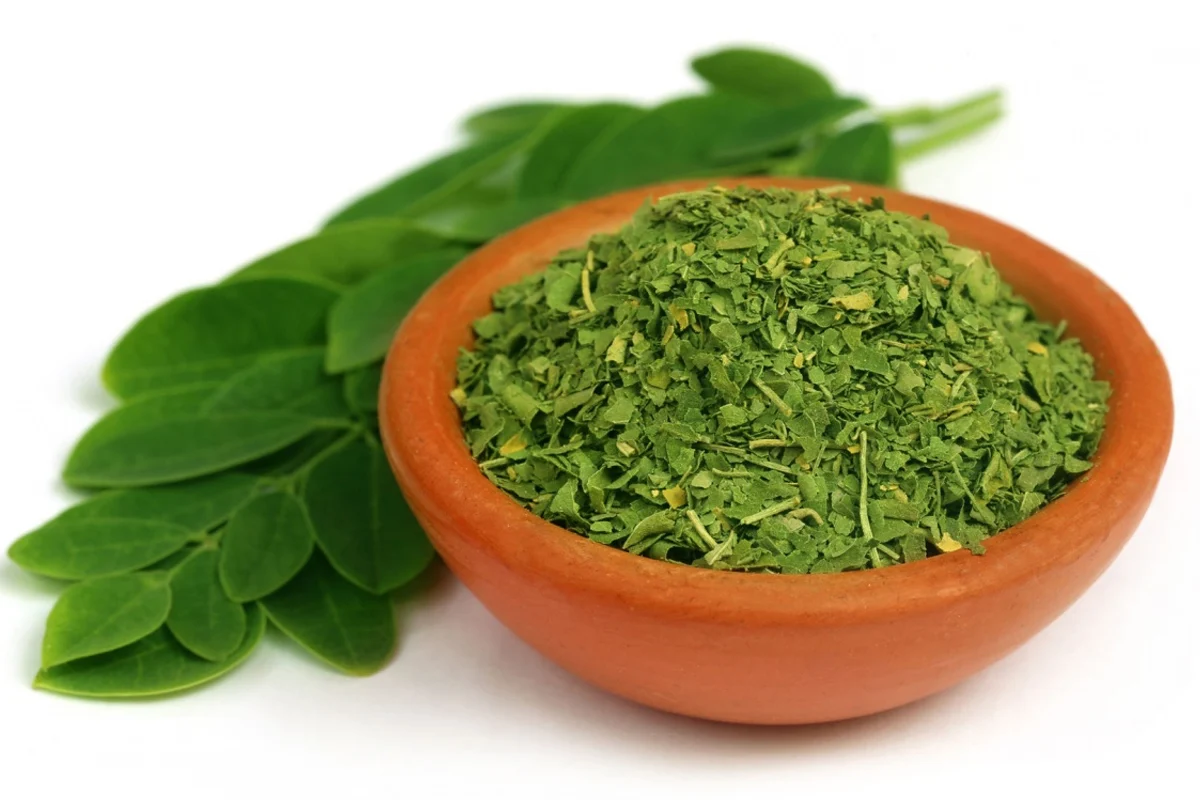
You can include leafy greens, various vegetables, pulses and other iron-rich foods in your diet. Along with vitamin C-rich foods such as lemons, amlaki or guavas, plant sources can help with iron absorption. However, if you are diagnosed with anemia, it is not right to rely only on food. Consult a doctor as needed.
Ragi and sesame seeds for calcium
Calcium is very important for bone and tooth health. Ragi and sesame seeds can be included in the daily diet. They contain calcium as well as magnesium and other minerals.

However, calcium supplements should not be initiated voluntarily unless necessary. Taking too many supplements may also have risks. So it is safe to adjust the dosage as per the advice of the doctor if there is deficiency of calcium.
Amalaki and guava for vitamin C
It is not necessary to take a daily tablet for vitamin C. Amalaki and guava are good sources of vitamin C. They also contain various antioxidants and phytonutrients.
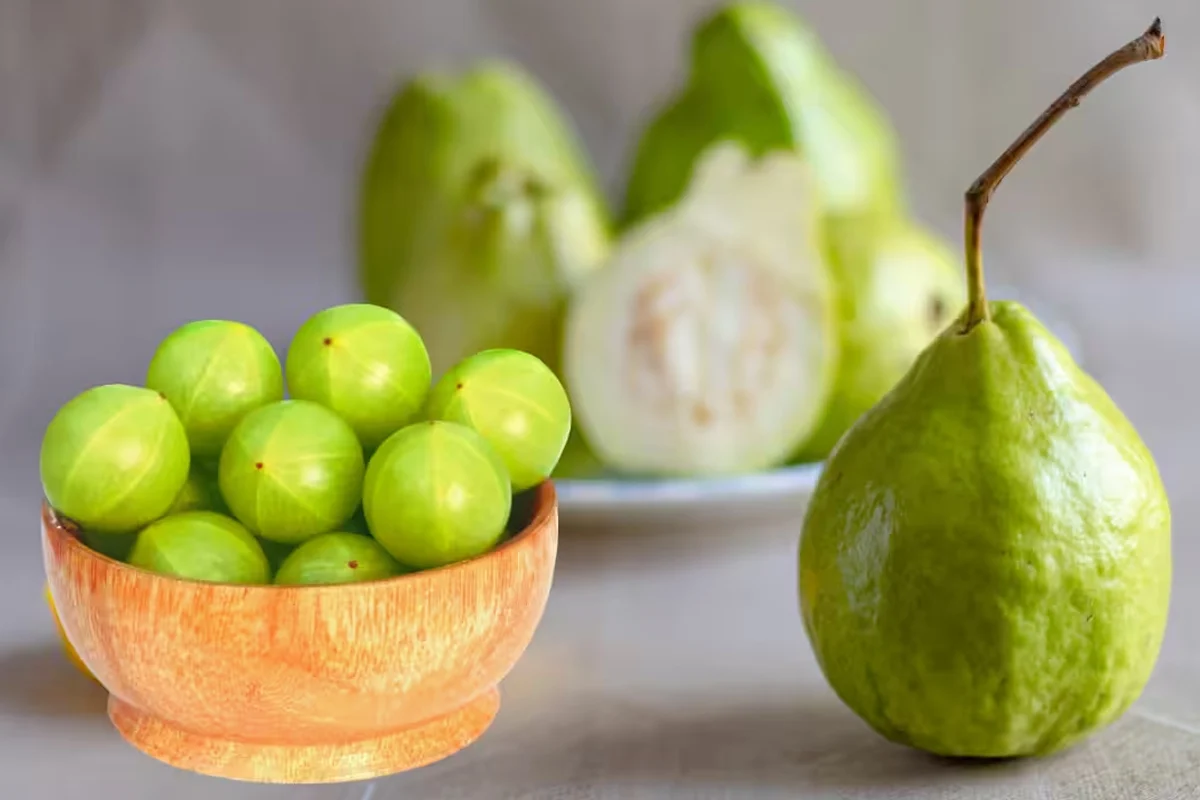
So keep seasonal fruits in your daily diet. A moderate amount of fruits and vegetables in the diet keeps the body supplied with various vitamins and minerals.
Pumpkin and sunflower seeds instead of multivitamins
While multivitamins may look attractive, they should not be considered a healthy food substitute. Sometimes they may contain added sugars. Instead, you can add pumpkin seeds, sunflower seeds and linseed to the food.
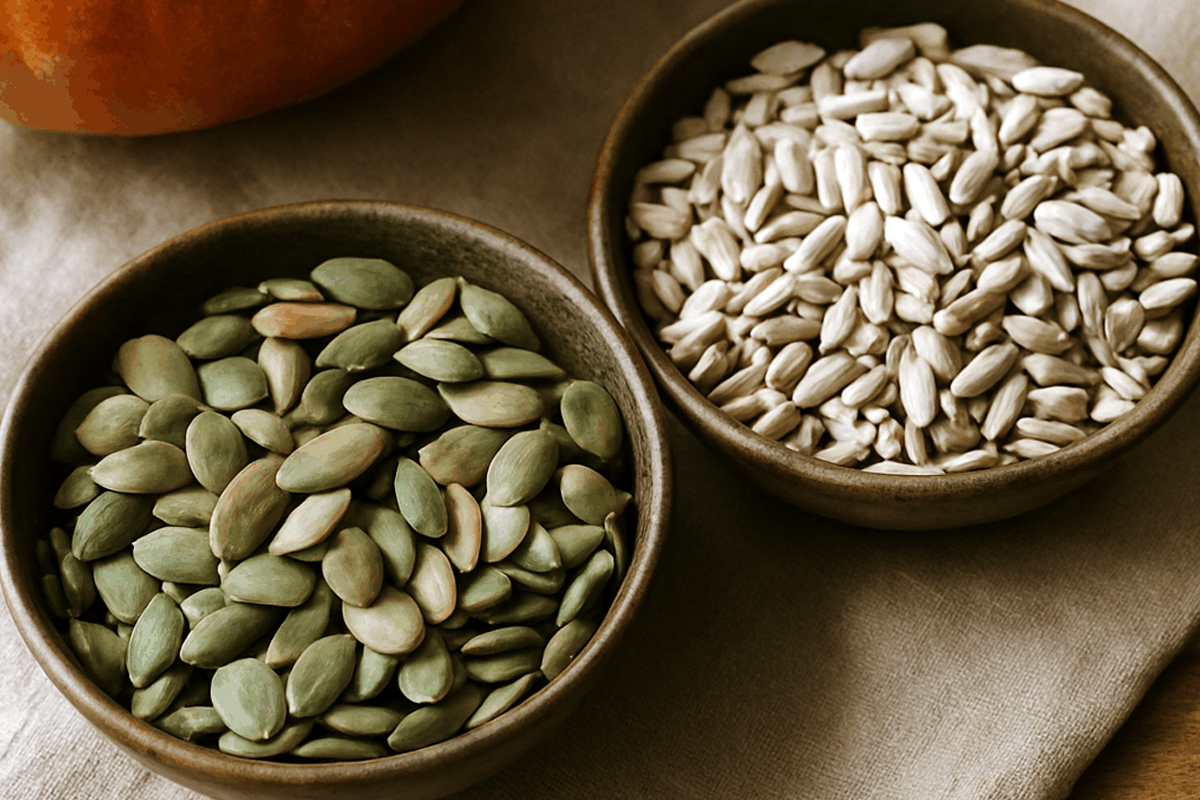
They contain magnesium, zinc, vitamin E as well as healthy fats. But watch the quantity. Because although nutritious, the amount of calories in seeds is quite high.
Yogurt and fermented foods for gut health
Many people start taking probiotic capsules when they have digestive problems. But there are also ingredients in everyday foods that can help maintain good gut health.
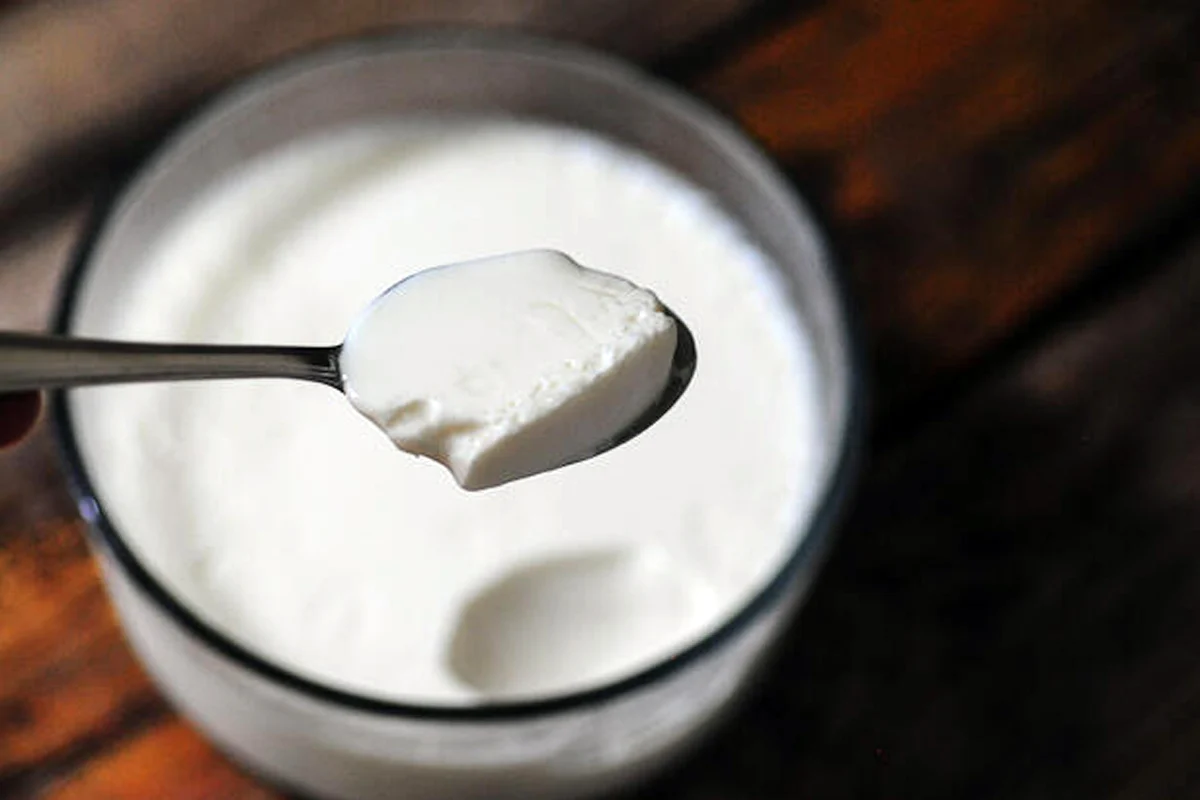
Sour yogurt, homemade yogurt and other fermented foods can be included in the diet. The live microorganisms they contain are related to the health of the gut microbiome. However, not all fermented foods contain the same types or the same amount of beneficial bacteria. Therefore, they should not be considered a substitute for probiotic supplements as a treatment for specific health problems.
Take a look at your food plate before supplementing
Supplements should not be started on your own without knowing whether the body is deficient in nutrients or not. Whether or not iron, calcium, vitamin D or any other nutritional supplements are needed in particular depends on the person's age, diet, physical condition.
National Nutrition Week should aim for a balanced and varied diet. Eat vegetables, fruits, pulses, whole grains, nuts or seeds, yogurt and adequate protein. And if you need supplements, be sure to consult your doctor first. Because our health starts from our daily food plate.