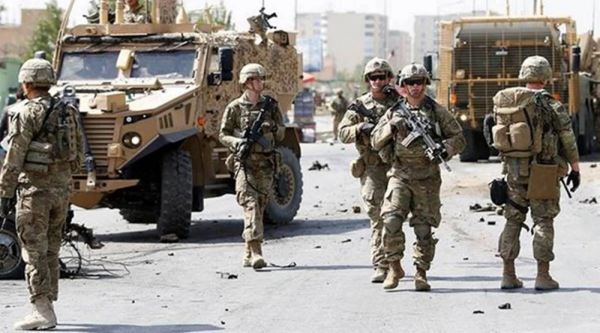
New Delhi .An important step has been taken regarding the security of mobile phones and computers used in US Military Installations. The US Air Force and US Special Operations Command have disabled advertising identifiers in some of their devices. This decision has come at a time when security concerns have been raised regarding the use of commercially available location data to obtain information about the movements and possible locations of US troops deployed in the Middle East.
Advertising identifiers are typically associated with digital devices and online activities and can help advertising companies understand users' activities and deliver targeted advertising. The location data associated with these is used in many commercial services. However, in a military context this same information can create security challenges related to sensitive activities and personnel locations.
According to information provided by US military officials, the Air Force completed the process of disabling advertising identifiers in its computers and mobile phones about two months ago. On the other hand, the US Special Operations Command has also recently disabled these identifiers on its Windows devices.
This step came after US Senator Ron Wyden sought information about security measures from military officials. Officials were asked to understand how commercially available data could pose a risk to military personnel and operations and what measures are being taken to protect against it.
The US military presence in the Middle East has long been subject to security and surveillance risks. In such an environment, information related to the actual or estimated location of troops can be useful to opposing sides. This is why data used in normal digital services is being reviewed differently in the context of military equipment and networks.
The commercial market for location data is quite broad. Various mobile applications and digital services may collect location information with user permission and under their own policies. This data can later be used or shared for various business purposes. If military personnel are regularly seen at a particular location in an area, such data may lead to the possibility of estimating patterns of their movements.
Senator Ron Wyden and Representative Pat Harrigan also called for a Pentagon investigation to examine security measures involving military officials. Its purpose is to explore how U.S. military establishments are controlling the risks associated with digital advertising systems and business data.
The decision to disable advertising identifiers is believed to be part of this broader security concern. This has tried to limit the possibilities of general digital tracking on military equipment. However, simply turning off advertising identifiers does not eliminate all location data risks. Information related to mobile networks, applications, Wi-Fi and other digital systems can also be important from a security point of view.
This development has also highlighted the growing importance of digital privacy in modern warfare and military security. The challenge is now not limited to the security of traditional military communications and networks, but also extends to the commercial digital systems that civilians and military personnel use on a daily basis. The latest step by American military institutions is a step taken towards securing sensitive location information amidst this changing security challenge.