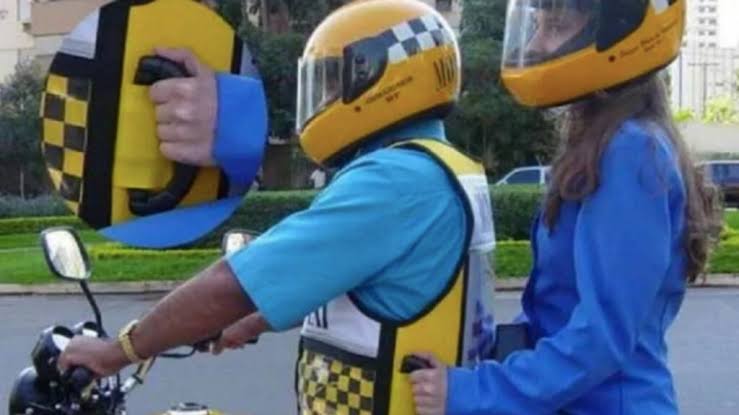
Union Road Transport and Highways Minister Nitin Gadkari has urged state governments to allow private motorcycle and scooter owners to operate bike taxis, saying the move could create a major new source of livelihood, particularly in rural and semi-urban India.
Gadkari said the Centre has already allowed the use of private two-wheelers for passenger transport, but the final decision rests with individual states because transport is a state subject.
States Asked to Permit Private Bike Taxis
According to Gadkari, some states have not yet permitted private two-wheelers to be used as bike taxis. He called on state governments to change their rules and allow owners to commercially use their motorcycles and scooters to ferry passengers.
The minister argued that a large number of people already own two-wheelers that could potentially become income-generating assets.
He estimated that wider adoption of bike taxis could create livelihood opportunities for around eight crore peopleparticularly in areas where formal employment opportunities are limited.
Rural India Could See the Biggest Impact
Gadkari particularly highlighted the potential of bike taxis in rural and semi-urban areas.
In many smaller towns and villages, two-wheelers are among the most accessible forms of personal transport. Allowing owners to carry passengers could provide an additional income stream while also improving last-mile connectivity.
Bike taxis can also offer an alternative to cars and auto-rickshaws for short-distance journeys, potentially making urban and semi-urban transportation more affordable.
States Still Have the Final Say
The announcement does not mean that private bike owners can immediately start operating commercial passenger services across India.
Since transport regulations are implemented at the state level, each state will need to establish or modify its own rules covering permits, insurance, licensing, safety requirements and operating conditions.
This means the rollout could vary significantly from one state to another.
Safety Remains a Major Concern
The expansion of bike taxis also comes with safety challenges. Two-wheelers remain particularly vulnerable in road crashes, making helmet use, rider training, insurance and enforcement critical if private bike taxis are expanded nationwide.
Gadkari’s comments came alongside discussions about improving road safety and introducing a proposed negative-point system for traffic violations. Under the proposed system, repeated violations could eventually result in suspension or cancellation of driving licences.
The combination of easier commercial use of private vehicles and tougher enforcement could therefore form part of a broader attempt to expand mobility while improving accountability on India’s roads.
Could Transform the Bike-Taxi Market
If states broadly accept Gadkari’s proposal, India’s bike-taxi sector could expand beyond fleets operated through dedicated commercial arrangements.
Millions of private motorcycle and scooter owners could potentially participate, creating a much larger supply of drivers and improving availability in areas currently underserved by conventional public transport.
However, the actual impact will depend on how individual states frame their regulations and how they balance employment opportunities with passenger safety and road-traffic concerns.
Summary
Nitin Gadkari has urged state governments to allow private motorcycle and scooter owners to operate bike taxis, saying the move could create livelihood opportunities for around eight crore people. While the Centre has opened the way for private two-wheelers to be used for passenger transport, states have the final say because transport is a state subject. Each state will need to determine permits, insurance, safety and other operating rules before the service can expand.