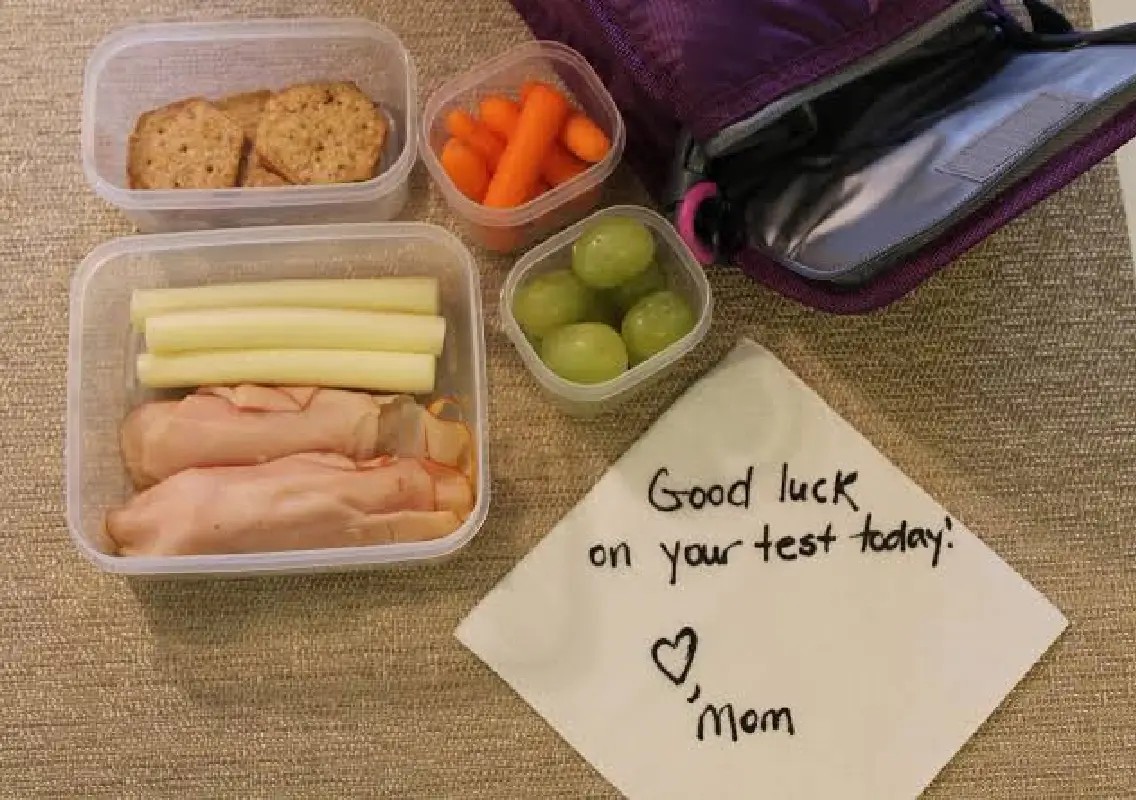
Packing a healthy school lunch can seem straightforward, but parents often face the same frustrating outcome — a lunchbox returning home with untouched fruit, vegetables and half-eaten sandwiches.
A nutritious lunch only benefits a child if they actually eat it. Experts say parents do not need to create a picture-perfect lunchbox every day. Instead, the focus should be on offering a reasonable balance while including familiar foods children enjoy.
Start with a food your child already likes
School lunch is not always the easiest time to introduce unfamiliar foods. Children may have limited time to eat while also talking with friends and managing their lunchboxes.
Starting with a familiar food can give them something dependable to eat. This could be a sandwich, cheese and crackers, pasta or leftovers. Some children may also prefer several small snack-sized foods rather than one main meal.
Combine carbohydrates with protein
Foods such as crackers, fruit and other carbohydrates can provide energy, but pairing them with protein or healthy fats can make lunch more filling.
Parents can try combinations such as crackers with cheese, apple slices with peanut butter, berries with yoghurt, pita with hummus or a turkey-and-cheese wrap.
The idea does not need to become a complicated formula. A simple combination can be enough.
Make fruits and vegetables easier to eat
Sometimes children avoid produce because it takes too much effort to prepare or eat during a short lunch break.
Slicing fruit, peeling produce and cutting vegetables into manageable pieces can make them easier to handle. Adding a familiar dip may also make vegetables more appealing.
Give children a few choices
Allowing children to participate in lunch decisions can make them more interested in what they take to school.
Instead of asking an open-ended question such as what they want for lunch, offer two or three choices. They could choose between strawberries and grapes, a wrap and crackers, or yoghurt and cheese.
This can also help parents identify foods their children consistently avoid.
Pack realistic portions
A packed lunch does not have to fill every section of a large lunchbox. Too much food can overwhelm younger children, particularly when lunchtime is short.
Parents can observe what regularly comes home and adjust portions accordingly. If a child is usually hungry after school, a more filling food or a slightly larger portion of a preferred item may help.
Appetite can change from day to day, so it is better to look for patterns rather than judge a single unfinished lunch.
Convenience foods can have a place
Not every lunch item needs to be homemade. Crackers, granola bars, yoghurt and other packaged foods can be included alongside foods providing protein, fibre and other nutrients.
For example, crackers can be paired with cheese and fruit, while pretzels can be served with hummus and vegetables.
School meals are an option too
A packed lunch is not automatically healthier than a school-provided meal. Checking the school menu with your child can help identify meals they are likely to enjoy.
Families can also mix the two approaches, with children bringing lunch on some days and eating school meals on others.
Ultimately, a healthy school lunch does not need to be colourful, elaborate or different every day. A familiar, balanced meal that a child actually eats can be more useful than an impressive lunchbox that comes home untouched.