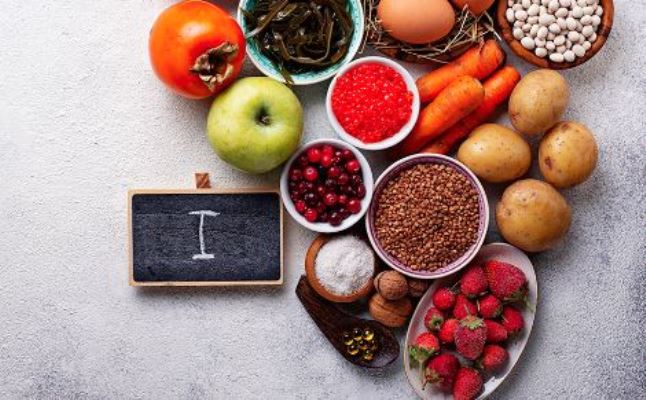
Iodine is a very essential mineral for our body, the requirement of which may be less but its role is very important in the proper functioning of the body. It helps in producing thyroid hormone in the body, which controls metabolism, energy levels and physical-mental development. It is very important to have adequate iodine, especially during pregnancy and for the brain development of children.
-
Health effects of iodine deficiency
Swollen thyroid gland: Due to prolonged deficiency of iodine in the body, the thyroid gland in the neck gets swollen.
fatigue and weight gain: Decrease in the level of thyroid hormone causes problems like constant fatigue, weight gain and feeling excessively cold.
Effect on mental development: Iodine deficiency in children can affect their learning ability, concentration and memory.
-
What to eat to get iodine?
iodized sweets: Using iodized salt instead of normal salt in daily food is the easiest way to get iodine.
Seafood and Seaweed: Fish and other sea foods as well as seaweed are excellent natural sources of iodine.
Dairy products and eggs: The body also gets sufficient iodine and protein by consuming milk, curd, cheese and eggs.
Batata: A small amount of iodine is also found in potatoes, which can be included in a balanced diet.
-
The right way to preserve iodized sweet
Iodine can be depleted by moisture, heat and prolonged exposure to light. Therefore, salt should always be kept in a dry and air-tight container. It is more beneficial to add salt when the food is ready rather than adding it too early in cooking.
-
Caution regarding goitrogenic foods
Some foods like cabbage, cauliflower and soybean are considered 'goitrogenic', which can affect thyroid function. This does not mean that one should stop eating it completely, but it is advisable to consume it in balanced quantity.