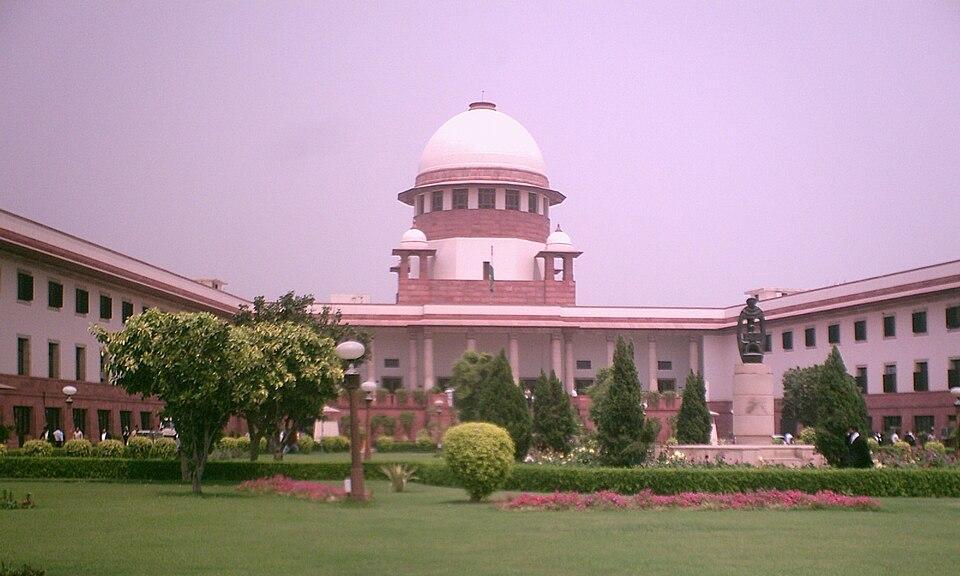
The Supreme Court has rejected a request by the High-Powered Committee tasked with examining the definition and protection of the Aravalli Hills for an extension of six months to submit its report, with Chief Justice of India (CJI) Surya Kant stating that the extension request seems to suggest that the panel was waiting for his retirement.
The CJI also made it clear to the committee that no further extension would be granted, asking it to “work day and night” to submit the report within the November 30, 2026 deadline.
“They have clearly asked for a date after my retirement…If they are not capable, we will re-constitute”, CJI said on Monday (September 7), as quoted by Live Law.
Court sets November 30 deadline
The apex court further stated that the committee must ensure that it undertakes a comprehensive consultation process recording the concerns of all stakeholders, including tribal communities in Rajasthan and Gujarat whose interests may get affected by decisions regarding the Aravalli landscape.
Also Read: SC: Expert panel on Aravalli hills must consult experts
The court granted liberty to the committee to file issue-specific interim reports as and when required to ensure that it can address significant questions regarding the Aravalli Hills separately without waiting for the final report to be submitted.
The bench listed the matter for the next hearing on December 2, when it is expected to up take up the committee’s report.
Aravalli definition under scrutiny
The Supreme Court took suo motu cognisance of the issue in December 2025 following public protests and concerns from environmental groups and civil society organisations over the revised definition of the Aravalli Hills.
Also Read: Why the new Aravalli definition is dangerous | Neelam Ahluwalia interview
The region is known for its ecological role in preventing desertification and sustaining groundwater levels. Concerns were raised that a diluted definition could allow mining and construction in areas earlier treated as protected.
The issue arose from differing definitions of the Aravalli Hills and Aravalli Ranges across Delhi, Haryana, Rajasthan and Gujarat, leading to regulatory gaps and instances of illegal mining.
Court’s earlier mining definition
The Supreme Court had earlier formed a high-level committee to address these differences. In a judgment delivered in November this year, the Court accepted the operational definition recommended by a Ministry of Environment, Forest and Climate Change committee for mining.
Under the accepted definition, “Aravalli Hills” refers to any landform in designated districts with a minimum elevation of 100 metres from the local relief, including supporting slopes and connected landforms.