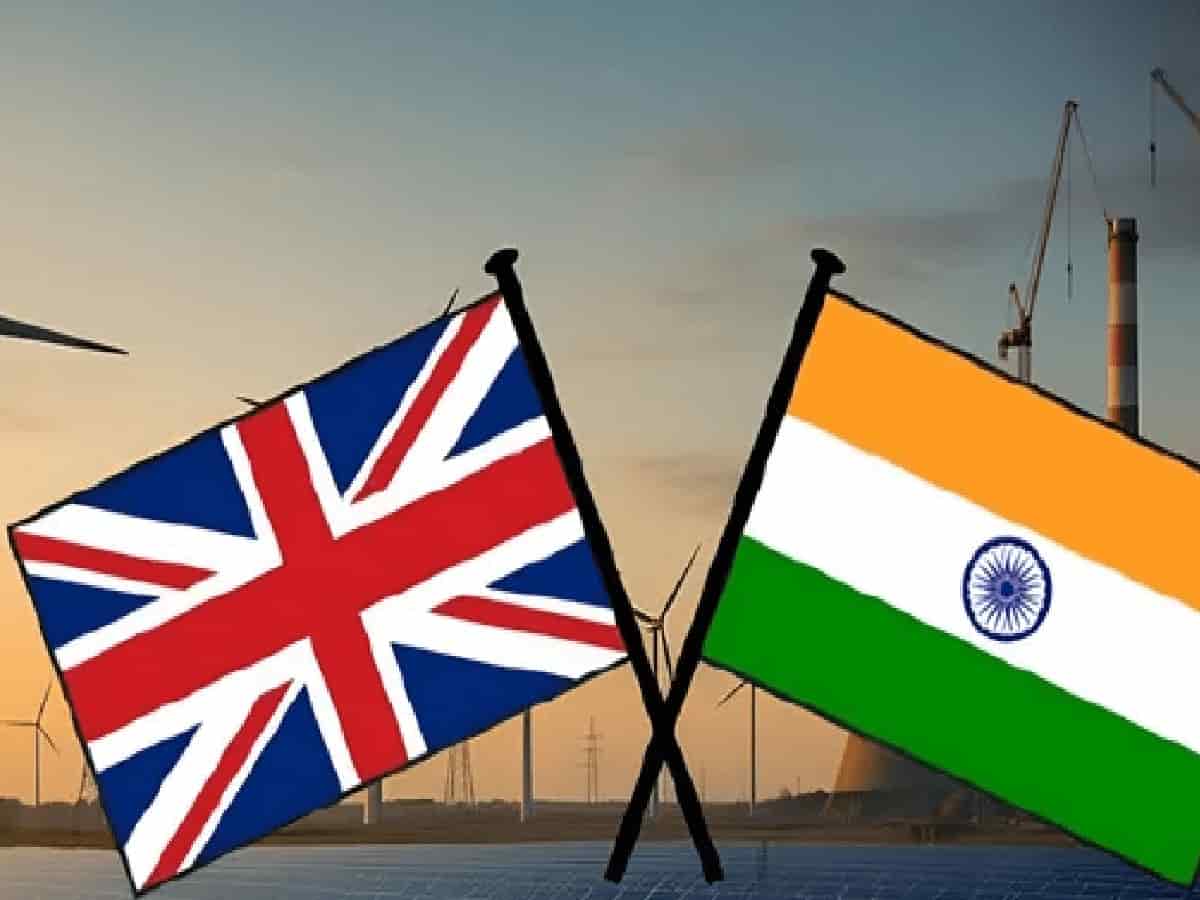
In a massive win for Indian international trade and sustainable manufacturing, the United Kingdom has officially recognized India’s Carbon Credit Trading Scheme (CCTS). Coming on the heels of the India-UK free trade agreement that took effect on July 15, granting duty-free market access, this landmark development exempts Indian exporters from burdensome double carbon taxation. As global trade increasingly ties environmental compliance to market access, British importers will now account for the carbon price already paid under India’s domestic framework, significantly reducing additional duties under the UK’s upcoming trade regulations.
Understanding the Impact: How UK’s CBAM Recognition Eases Financial Burdens for Indian Exporters
The UK Carbon Border Adjustment Mechanism (CBAM) is scheduled to officially come into effect on January 1, 2027, targeting carbon-intensive imports such as aluminum, cement, fertilizer, hydrogen, and iron and steel. Under the newly established recognition framework, British importers can formally credit the carbon pricing applicable to Indian goods under the CCTS. Government officials emphasized that this breakthrough is the direct result of extensive technical-level dialogues between New Delhi and London focusing on carbon market design and implementation, ensuring that Indian industries remain globally competitive without absorbing punishing financial penalties.
Setting Global Precedents: All Eyes Now Turn to the European Union for Similar Recognition
With the UK adding India’s CCTS to its elite roster of 16 globally recognized carbon pricing systems—alongside heavyweights like the EU Emissions Trading System (ETS), China’s National ETS, and Japan’s GX-ETS—strategic analysts believe this diplomatic and technical milestone sets a powerful precedent. Trade experts are optimistic that the UK’s proactive stance will encourage the European Union and other Western economies to grant equivalent recognition to India’s domestic carbon pricing mechanisms. Meanwhile, bilateral cooperation between India and Britain will continue to deepen through the UK-India Energy Memorandum of Understanding and ongoing environmental partnerships as global markets prepare for the 2027 CBAM rollout.