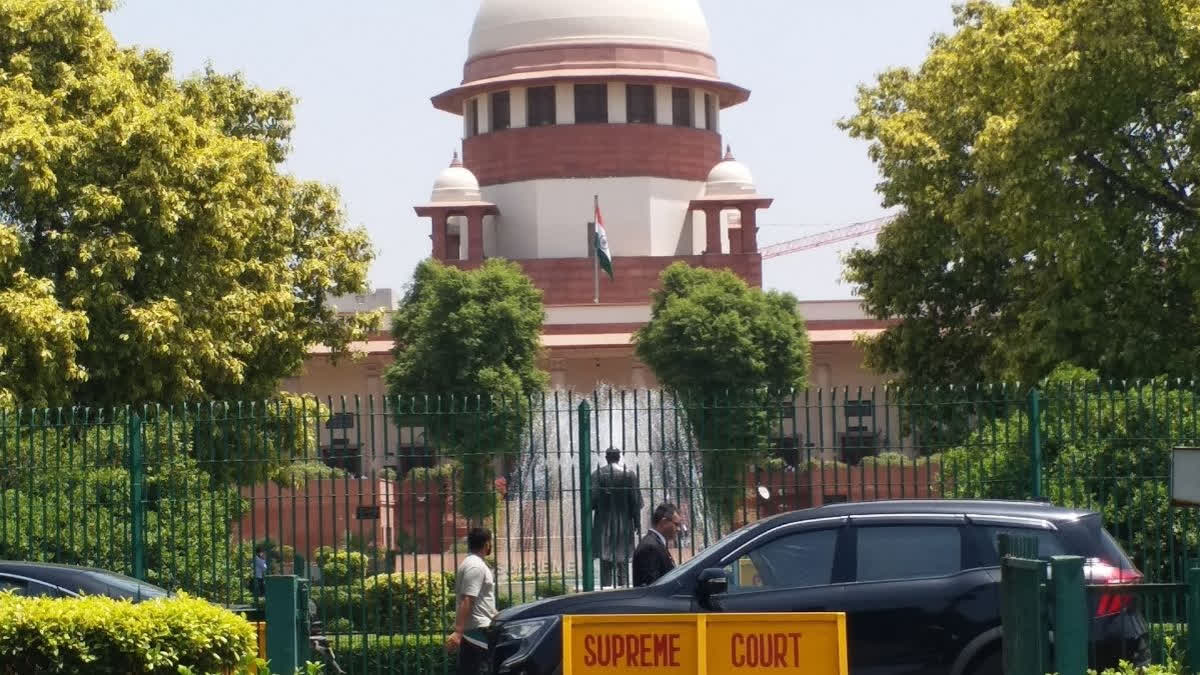
NEW DELHI:
The Supreme Court has favoured greater involvement of academic experts and jurists in decisions concerning legal education, amid a plea seeking a review of the duration and structure of law courses in the country.
The proceedings have brought into focus broader questions over the role of the Bar Council of India in regulating legal education and whether academic issues should instead be handled by an expert body.
The court has indicated that matters relating to legal education should be considered by jurists, academicians and other experts rather than being determined through regulatory intervention alone.
A related public interest litigation has sought the creation of a Legal Education Commission to examine the duration and structure of law courses, including the existing three-year and five-year law programmes.
The debate also covers the structure of postgraduate legal education and the role of the BCI in determining academic standards.
The Supreme Court has, in recent proceedings, questioned the extent of the BCI’s authority over legal education. It has stressed the importance of academic expertise in framing educational policies.
The issue assumes significance as law schools and universities have been dealing with questions involving course duration, attendance requirements, curriculum and regulatory standards.
The Supreme Court has also recently maintained that disciplinary powers over law students before their enrolment as advocates cannot automatically be exercised by the BCI or State Bar Councils, reinforcing the distinction between legal education and regulation of practising advocates.