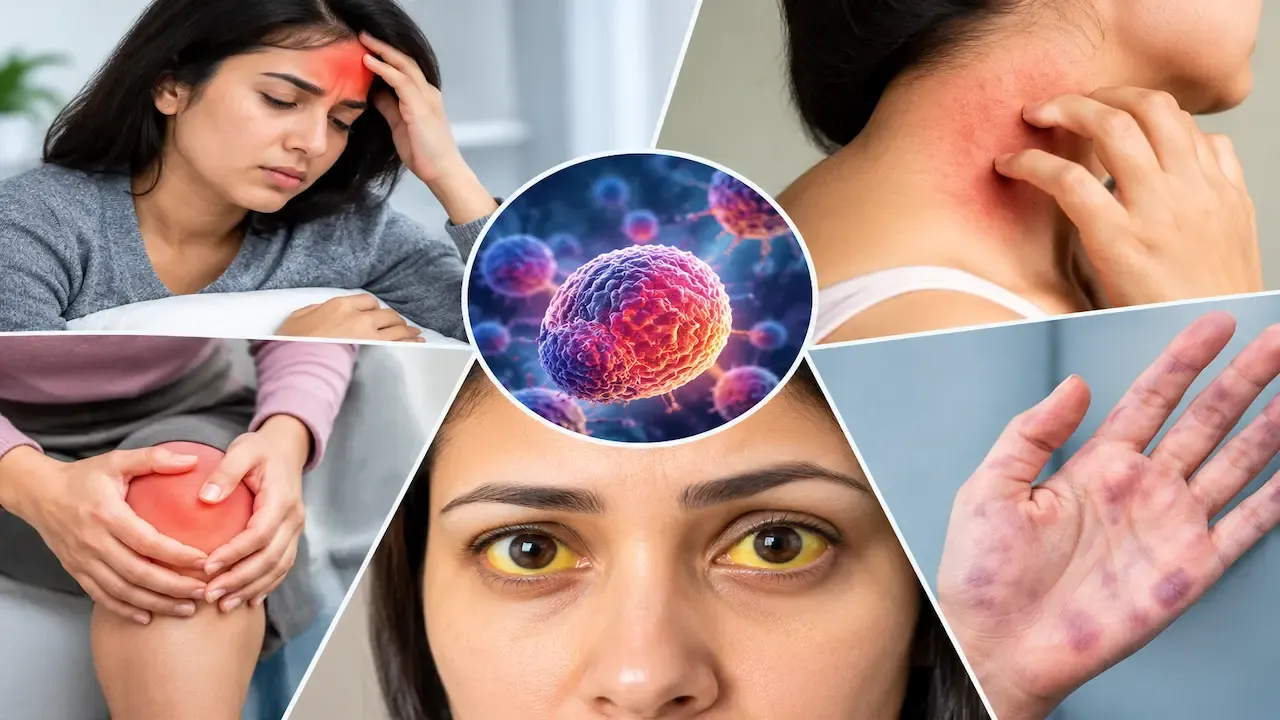
Rare diseases: You must be aware of diseases like diabetes, blood pressure, thyroid, heart disease or cancer, but do you know that there are some diseases in the world which are seen in one in 10,000 people. It is called a rare disease and very few people know about these diseases. There are thousands of different rare diseases in the world. Many of these diseases are congenital and some develop over time. The most problematic thing is that it is very difficult to identify these diseases. If we talk about their causes, then some rare diseases can be caused by genetic reasons. What is even more difficult is that the treatment of these diseases is also not easy. There is currently no definite treatment available for some rare diseases, but their symptoms can be controlled with the help of medicines, surgery, physiotherapy, good diet and other treatments. Centers of Disease Control and PreventionAccording to, there can be many types of rare diseases. These rare diseases often remain undiagnosed, due to which the patient’s condition becomes serious with time. Let us know about these rare diseases:
down syndrome
Down syndrome is a condition in which a baby is born with an extra 21 chromosomes. In children suffering from this, chromosomes do not divide properly, hence the number of chromosomes remains at 21. Due to this, physical and mental development of the child is delayed and does not happen properly. During the process of reproduction in a child, the genes of the parents are passed to the child. When a baby’s cells develop, each cell has 23 pairs of chromosomes. So there are a total of 46 chromosomes. In which half of the mother’s chromosomes and half of the father’s chromosomes are there. It is a genetic condition present from birth and the severity of its symptoms can vary from person to person.
its symptoms
- Special shape of the face and upward inclination of the eyes
- Muscle weakness and slow body growth
- taking longer than usual to learn, speak, and understand
- relatively short length
- Having small arms and legs or a deep line on the palm
- Some children may also have hearing, vision or heart problems.
thalassemia
Thalassemia is a type of genetic blood disorder and occurs when the body is unable to produce sufficient amounts of hemoglobin. Due to this, red blood cells can break down quickly and lead to anemia. Depending on its severity, the patient may need regular treatment or frequent blood transfusions, the production of which is very important for the body. When hemoglobin is not produced in sufficient quantity in the body, red blood cells will not function properly. Due to this, the overall development of the child is affected. The severity of its symptoms can vary from person to person.
its symptoms
- feeling tired and weak very quickly
- yellowing of skin and eyes
- shortness of breath and dizziness
- slow physical development in children
- Need for frequent blood transfusions (in severe cases)
sickle cell anemia
Sickle cell anemia is a genetic blood disorder in which the red blood cells become abnormally shaped. This can lead to lack of oxygen in the body and many health problems. That is, it is a genetic red blood cell disorder, in which there is a deficiency of red blood cells that supply oxygen to the body. Normally flexible, round blood cells can easily float in blood vessels. But in sickle cell anemia the shape of red blood cells gets distorted. Due to this, blockages start forming in the blood vessels. The person falls ill again and again and his vital organs, such as brain, kidney or heart, get damaged.
its symptoms
- persistent fatigue and weakness
- yellowness of skin and eyes
- Frequent pain, especially in bones and joints
- swelling in hands and feet
- frequent infections
- difficulty breathing
- dizziness or headache
- Delay in growth and weight gain in children
- eyesight related problem
- Chest pain or sudden trouble breathing in severe cases
hidradenitis suppurativa
Hidradenitis suppurativa is a long-term skin disease that can cause painful lumps and swelling under the skin. This problem usually appears more in the armpits, between the thighs, in the waist or under the breasts. This is a rare skin disease in which bumps appear on various parts of the body. These bumps are often quite painful. This disease is more common in women than men. The bumps occurring in it look like pimples.
its symptoms
- painful lumps under the skin
- swelling and redness in the lumps
- discharge of pus or fluid from a lump
- recurring boils or lumps
- Scarring after wound healing
- formation of tunnel-like tubes under the skin
- pain, burning, or sensitivity at the affected area
- Lumps sticking together over a long period of time
pemphigus
This is a type of autoimmune skin disease, in which the patient develops wounds or blisters in the throat, mouth or genital area. This rare disease can affect people of any age. The possibility of this problem increases with increasing age. Like many other rare skin diseases, there is no permanent treatment for this one. However, doctor dermatologists treat its symptoms, so that this infection can be prevented from spreading.
its symptoms
- painful blisters on the skin
- easy bursting of blisters
- Red and raw wounds after blisters burst.
- painful ulcers or sores inside the mouth
- pain while swallowing or eating
- scab over wounds
- Skin irritation and sensitivity
- Wounds take longer to heal
FAQ
What are rare diseases?
Rare diseases are diseases that occur in fewer people than common diseases. Many of these diseases may be caused by genetic or autoimmune causes.
What are the symptoms of rare disease?
Its symptoms depend on the type of disease. These may include persistent fatigue, pain, skin changes, weakness, trouble breathing, or difficulty in functioning of any body part.
How is YER disease diagnosed?
The doctor may recommend testing based on symptoms and medical history. In some cases, blood tests, genetic tests, imaging or biopsy may be needed.