Federal Government Spent $6.7 Billion on Paid Leave for Deferred Resignations, GAO Says/ TezzBuzz/ WASHINGTON/ J. Mansour/ Federal agencies spent an estimated $9.5 billion on paid administrative leave in 2025, according to a Government Accountability Office audit. GAO attributed more than $6.7 billion to the Trump administration’s deferred resignation program for reducing the federal workforce. The administration says the one-time expense is producing $40 billion in annual taxpayer savings.
Quick Look
- Federal administrative-leave salary costs reached an estimated $9.5 billion in 2025.
- That was six times the amount spent in 2023, GAO reported.
- More than $6.7 billion was associated with deferred resignations.
- Participating employees continued receiving salaries and benefits before resigning or retiring.
- OPM did not track the program’s actual paid-leave costs, requiring GAO to estimate them.
- The federal workforce has declined by about 300,000 employees since 2024.
- OPM says the smaller workforce saves taxpayers $40 billion annually.
- The Trump administration claims its wider cost-cutting campaign has saved approximately $215 billion.
Deep Look
Administrative-leave costs rise sixfold
Federal agencies spent an estimated $9.5 billion in salary costs for employees placed on paid administrative leave during 2025, according to a new audit from the nonpartisan Government Accountability Office.
That represented a sixfold increase from 2023, with the use of paid administrative leave growing by 435%, the congressional watchdog reported.
GAO found that the increase was driven largely by a deferred resignation initiative introduced by the Office of Personnel Management as part of the Trump administration’s campaign to reduce the federal workforce.
Deferred resignations accounted for $6.7 billion
GAO estimated that more than $6.7 billion of the total administrative-leave expense was associated with the deferred resignation program.
The program allowed participating federal employees to stop working while continuing to collect salaries and benefits until they resigned or retired by the end of September 2025.
The estimate represents salary costs for employees on leave rather than traditional severance payments. GAO said OPM had not tracked the actual cost of administrative leave used to carry out the workforce reduction, requiring auditors to develop an estimate from the available data.
The findings appear in GAO’s official federal workforce audit.
‘Fork in the Road’ offer targeted federal workforce
OPM presented the program to approximately 2 million federal workers through a January 2025 email carrying the subject line “Fork in the Road.”
Employees were told they could remain on paid leave and continue receiving benefits until later that year if they agreed to resign. The message also warned that workers who remained in government could eventually see their positions eliminated.
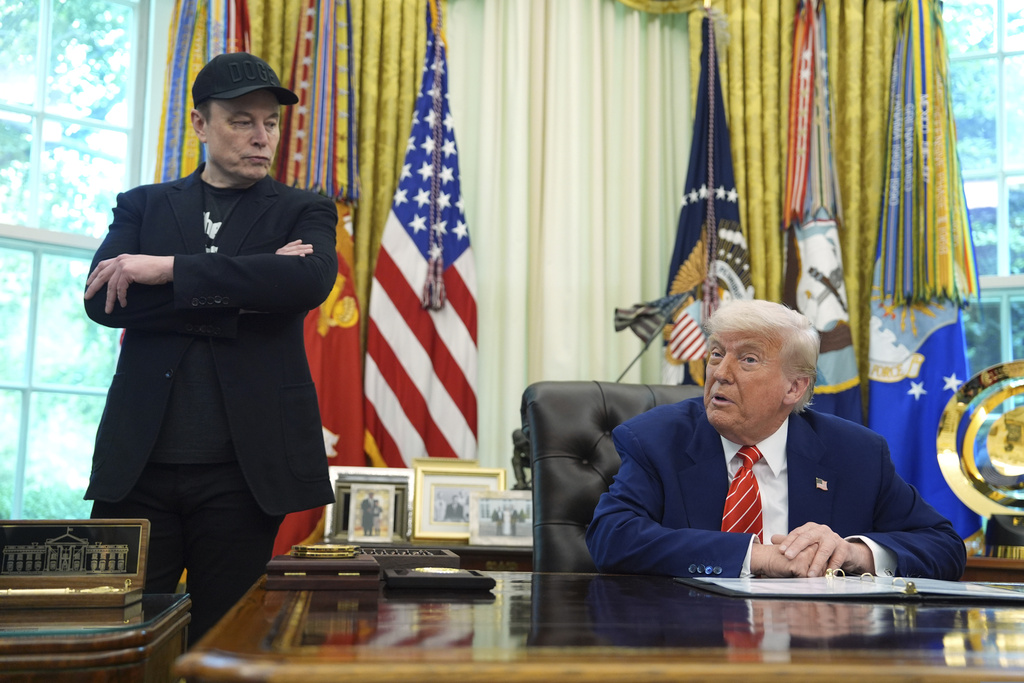
The initiative was part of President Donald Trump’s effort to substantially reduce the federal bureaucracy and government spending. Trump assigned Elon Musk to lead the cost-cutting campaign through the initiative known as the Department of Government Efficiency.
Federal employment falls by about 300,000
Federal employment has declined by approximately 300,000 workers, or 13%, since 2024, according to Office of Personnel Management data.
That reduction has left the civilian federal workforce at its smallest level in almost two decades. The number includes workforce changes beyond employees who participated in the deferred resignation program.
The administration originally pursued the reductions as part of a stated effort to cut federal spending by $1 trillion.
OPM cites continuing annual savings
OPM Director Scott Kupor disputed the framing of the GAO findings, arguing that the report failed to distinguish between the program’s initial cost and its expected continuing savings.
Kupor criticized the audit for failing to “highlight the difference between a one-time expense” and “the $40 billion per year savings in taxpayer dollars that this reduction provides.”
“That 400% return on investment is a massive benefit to the taxpayer,” Kupor said.
The $40 billion figure is an administration estimate. GAO’s report focused on administrative-leave expenses and did not validate that projected annual savings figure.
Critics question the program’s impact
Critics cited the audit as evidence that the administration incurred billions of dollars in immediate costs while removing experienced employees from federal agencies.
“Trump spent billions to push out experienced and badly needed experts across government — this was the most expensive way imaginable to make government worse,” Sen. Patty Murray of Washington, the Democratic vice chair of the Senate Appropriations Committee, said in a statement.
The criticism reflects concerns that workforce reductions may weaken institutional knowledge or government services. The administration maintains that the reductions have created a smaller and less expensive federal workforce.
Administration claims $215 billion in broader savings
The Trump administration says its broader cost-cutting campaign has generated approximately $215 billion in savings through workforce reductions, canceled contracts and grants, and other actions.
That figure comes from the administration’s own published accounting and is separate from GAO’s estimate of paid administrative-leave expenses.
The White House did not immediately respond to a request for comment on the audit.
More on US News