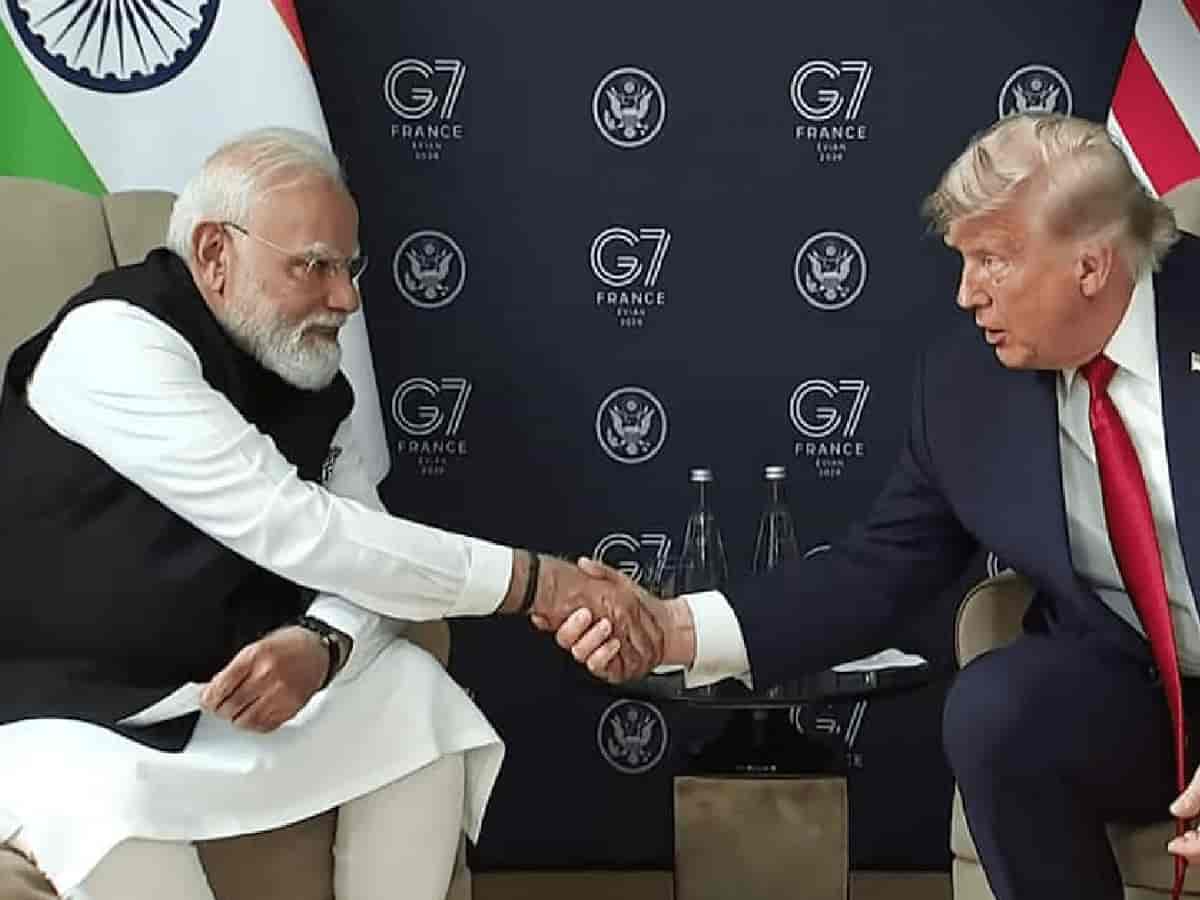
US President Donald Trump on Wednesday, September 16, 2026, publicly acknowledged and welcomed Prime Minister Narendra Modi’s proactive measures aimed at curbing illicit opium cultivation and strengthening the reliability of international supply chains. In an official statement released by Washington, President Trump expressed optimism regarding bilateral efforts, stating that he looks forward to continued cooperation through the established US-India Drug Policy Framework, despite India’s inclusion in America’s annual list of major illicit drug-producing or transiting nations.
India and Global Nations Included on the 2026 US Drug List
The United States government officially released its comprehensive roster, placing India alongside Pakistan, China, and 20 other nations—bringing the total to 23 countries—on its list of major drug-producing or transit regions. Alongside India and its neighbors, the extensive roster encompasses nations such as Afghanistan, Mexico, Colombia, Venezuela, Bolivia, Peru, Ecuador, and others. American officials clarified that a country’s presence on this official register does not automatically imply that its national government has failed to enforce anti-narcotics laws or combat substance abuse.
Understanding Geographical and Economic Factors Behind the Classification
To provide further context, US authorities emphasized that inclusion on the list is often determined by a combination of unique geographical, commercial, and economic factors rather than policy failures. These elements can naturally facilitate the transit or production of narcotics or precursor chemicals, even when a sovereign government implements extremely stringent enforcement measures and powerful laws to control drug trafficking. Diplomatic analysts view the balanced American statement as a reaffirmation of strong strategic alignment and ongoing counter-narcotics cooperation between Washington and New Delhi.