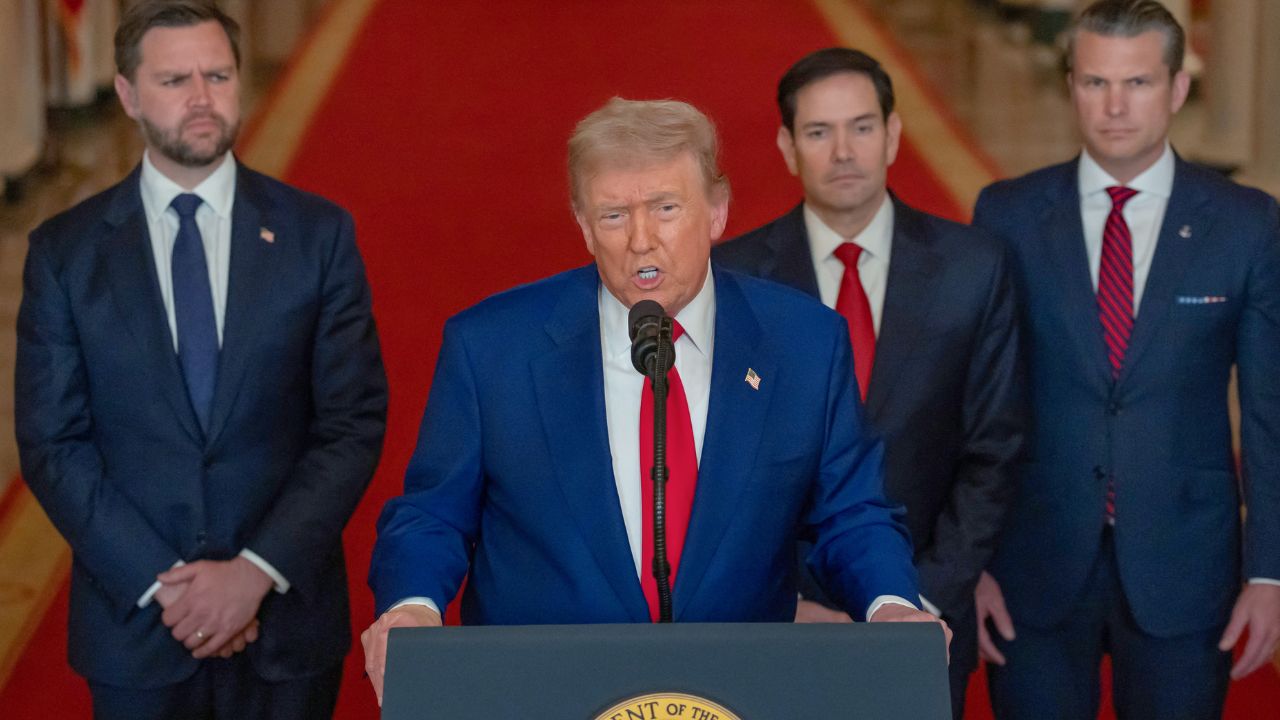
After the passing of Lindsey O. Graham Sanctioning Russia and Iran Act of 2026 by the US House of Representatives, a new trade and energy crisis seems to be facing India. The bill passed by a vote of 262-159 and has now been sent to President Donald Trump for his signature. The most important part of the law is the provision under which the President can get the right to impose additional tariffs up to 100% on countries purchasing oil and gas from Russia. Big Russian oil buyers like India and China are directly at the center of discussion for this reason.
However, it is important to understand one thing very clearly here – passing the bill does not mean that 100% tariff has been imposed on India immediately. The law gives this power to the President; Whether the actual tariff will be imposed or not, at what rate and on which Indian products it will be applicable will depend on further decisions of the US administration.
What is the Lindsey O. Graham Act?
Lindsey O. Graham Sanctioning Russia and Iran Act of 2026 is a comprehensive sanctions law aimed at increasing US economic pressure on Russia and Iran. It has provisions to target Russia’s leadership, energy sector and networks that help evade sanctions. An important part of the law is related to Russia’s oil and gas business. Its aim is not only to impose direct sanctions on Russia, but also to put economic pressure on countries that buy Russian energy.
Under this arrangement, the US President may, under certain circumstances, get the power to impose tariffs up to 100% on countries purchasing oil and gas from Russia. Big buyers like India and China therefore come under the potential scope of this law.
How did the bill advance in the US Parliament?
This law was first passed by the US Senate. After this, on 16 September 2026, the House of Representatives approved it by 262-159 votes. Now the next important step is the signature of President Donald Trump. According to reports, the White House has indicated that Trump can sign it. That is, after the approval of the US Parliament, now all attention is on how the President uses the powers given in this law.
Why is America increasing so much pressure on Russia?
The biggest reason behind this is the Russia-Ukraine war. America and its allies argue that Russia’s income from oil and gas provides the economic basis for its war. Therefore, if Russia’s energy income is reduced, economic pressure can be increased on Moscow to end the war. The new law provides for action against Russia’s energy sector as well as against ships and networks that are accused of transporting Russian oil bypassing sanctions. These are often called ‘shadow fleets’, meaning that one part of the US strategy is to put direct pressure on Russia and the other part is to influence the large buyers through whom international sales of Russian energy continue.
Why did India become the target of this law?
India has started buying large quantities of crude oil from Russia in recent years. A major reason for this has been the price of Russian crude and India’s huge energy needs. According to the data given by you, India purchased crude oil worth about $7.27 billion from Russia in July 2026, which was about 51.1% of India’s total crude imports that month. This figure shows how important energy trade has become between India and Russia. The problem in America’s view is that by buying oil from Russia, big countries like India help maintain Russian energy revenues. For this reason, a way has been provided in the American law to put pressure on big Russian energy buyers.
Will 100% tariff be imposed on India immediately?
No. This is the most important fact of this entire matter. The law does not automatically impose 100% duty on all goods coming from India. This gives the US President the power to impose tariffs up to a maximum of 100%. The American administration can decide on its use later.
After this many questions will be important-
- Will tariffs be imposed on India or not?
- If charged, what will be the rate?
- Which Indian products will be kept under its purview?
- When will the tariffs come into effect?
- Will India get any exemption?
- Will there be a separate arrangement for India on reducing oil purchases from Russia?
Therefore, at present it is more correct to view the 100% tariff as a potential threat, rather than considering it as a duty already imposed on India.
What impact can it have on India?
If the American administration uses this right, then the impact on India will not be limited to foreign policy only. Its impact can reach oil, trade, exports, inflation and India-US relations.
1. Indian exports may become expensive- If America imposes additional tariffs on Indian goods, the price of Indian products may increase in the American market. This may affect those Indian companies which export goods to America on a large scale. America is one of India’s major trading partners. According to the data given by you, India’s exports to America in April-August 2026-27 have been about 42.8 billion dollars. Therefore, the impact of the tariff is not guaranteed to be limited to any one sector.
2. Buying oil from Russia may be difficult- The second major challenge for India is energy. India imports more than 88% of its crude oil requirement. In such a situation, it will not be easy to suddenly make a big cut in the supplies from Russia. If Indian companies reduce the purchase of Russian oil due to American pressure, they may have to buy crude from other countries.
3. May India have to buy expensive oil? thisThis situation will depend on the international oil market. If India buys large quantities of crude from other sources instead of Russian oil, the price, freight, insurance and refining costs may change. Indian refineries may also have to make changes in their crude mix and supply network. Officials associated with the Indian oil industry have also indicated that it will not be easy to immediately replace Russian crude with other sources on a large scale.