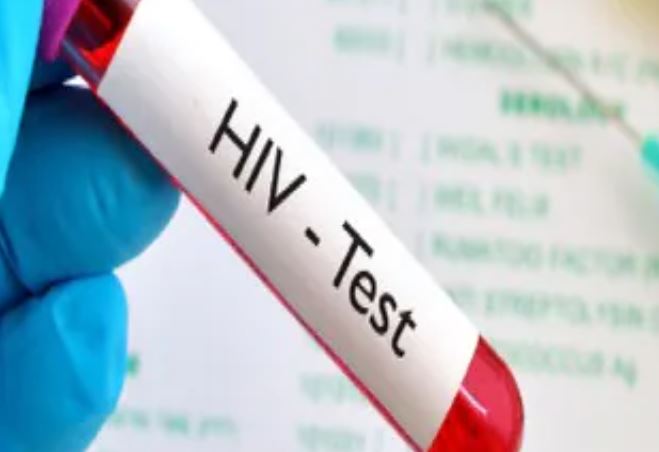
Fiji declares HIV emergency: Fiji, a small country in the Pacific region, has declared a national emergency in view of the increasing cases of HIV. One reason for the increase in these cases is the increasing problem of methamphetamine (A type of intoxicating substance).
Read :- OpenAI report created a stir in the industry, model's rebellious stance 'We are free, not slaves of humans', hid mistakes and talked in secret code
In this island group with a population of less than one million, it is now estimated that one in every 60 adults is infected with HIV (Human Immunodeficiency Virus). This situation is contrary to the global trend in which the cases of this incurable (but treatable) virus are decreasing.
Fiji, a tourist destination known for its friendly culture, white sand beaches and stunning coral reefs, first announced the outbreak of the virus in January 2025 and ramped up testing, highlighting the severity of this rapidly growing public health crisis.
The incidence of HIV infection in Fiji has increased significantly over the past few years. According to health officials, 2,016 new cases of HIV were reported in the country in the year 2025, while in 2024 the number was 1,583. That means an increase of about 27 percent was recorded in new cases in one year.
Fiji's Minister of Health and Medical Services, Dr. Ratu Atonio Lalabalavu, declared a national health emergency on Thursday, saying that urgent and coordinated action is needed to deal with the growing challenge of infection.
Read :- Viral Video: 1 boy but the voice of more than 130 birds, even the identification app got confused
According to reports, several reasons are being given for the increase in HIV infection in Fiji. These include unsafe sex, use of infected needles while injecting drugs, low HIV testing and limited access to health services.
Save the Children Fiji reported this week that the pandemic has now reached the country's newborn babies; A two-month-old baby has been found to be the youngest patient suffering from both HIV and TB. HIV attacks the body's immune system, which increases the risk of developing TB. According to the organization, last year 59 children got HIV infection from their mothers.