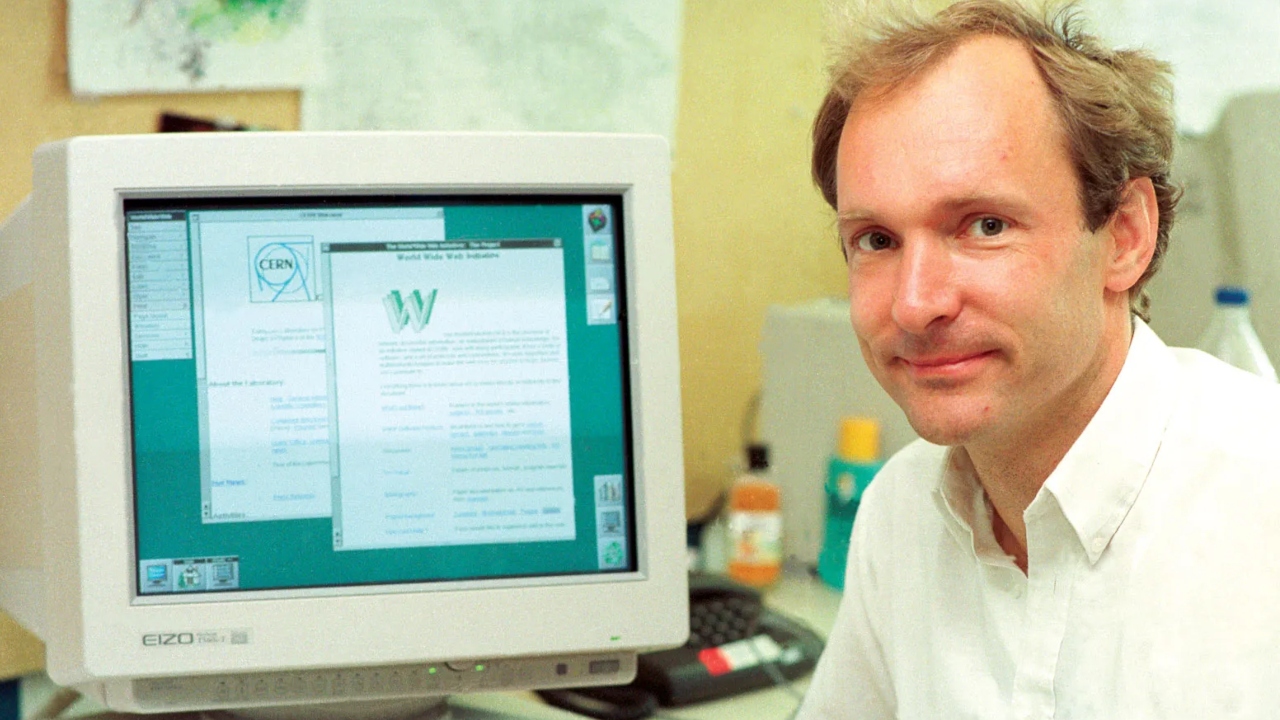
Tim Berners-Lee: This morning when you picked up your phone, opened Google, scrolled through Instagram, watched a video on YouTube, wouldn't you have thought even once as to who created all this? And if someone asked, you might have said America, Silicon Valley, Jackberg, Elon Musk. But the truth is that the Internet on which you spend hours every day, without which today's world cannot run even for a moment, was created by a single person, an English scientist and he gave it to the whole world for free, did not take a single rupee, did not get a single patent, did not keep a single share and today you do not even remember his name.
This is not just one man's story. This is the story of the biggest question that history has never asked, that when a person changes the whole world and does not ask for anything in return, what does the world do with him? 1980s Geneva Switzerland Sun The world's largest physics laboratory where the world's sharpest minds worked. From every country, every language, every background and this was the biggest problem.
So many scientists, so many computers, so many documents, and there was no way that one person could see the work of another. One computer can talk to another computer. If a researcher wanted someone else's data, he would have to go to him physically. By taking a floppy disk or taking a printout. Imagine, the smartest people in the world and their worst enemy was a floppy disk. Amidst this chaos was a 33 year old British software engineer.
The name was Team Bernersley. He was not a genius kid whose stories are in text books. He was an ordinary man who did his work. And one day he saw a problem. His boss read one of his proposals and wrote 'Veg but exciting' at the top. Meaning the idea is good, but I don't understand it. pass it on. Tim pushed forward. Far ahead. In 1989 Tim started building a system. His idea was what would happen if all computers were connected to each other? What if there is a link in one document that takes you to another document? What if all the knowledge of the world was in one place and anyone could access it from anywhere?
This was the idea of the World Wide Web. The team created three things that are still in use today. HTML is the language in which websites are written. HTTP The path by which data travels from one computer to another. URL is the address of every website. The world's first website went live in 1991. It had an address, no design. There was no color. Just plain text but that text was the beginning of the world's biggest revolution and this is where the real story begins.
When the team created this system, it was faced with a question: whether to patent it or not. If he wanted, he could do it. At that time no one had any idea of the value of the Internet. But Tim had. He knew that this technology would one day be everywhere. And that's why he didn't get a patent. He said, if I patent it then every website creator will have to pay me. Sending every email every time someone uses the internet and then this technology will never become what I want.
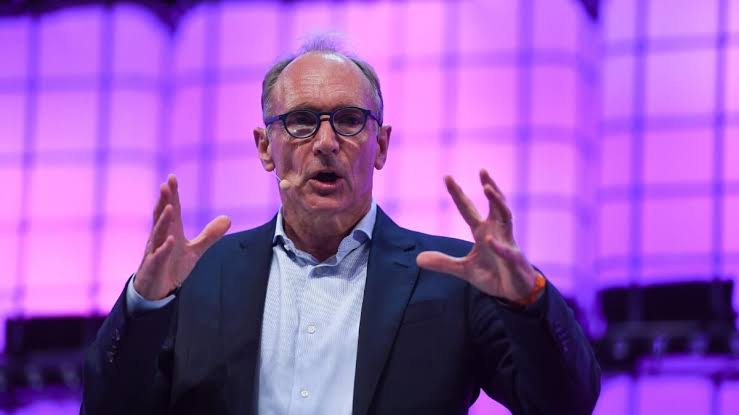
He gave the web to the world for free. No royalties, no license fees, no strings attached. Just a dream that every person in the world can access knowledge. Whether he is rich or poor. Be it in America or a small village in India. But what did the world do with this generosity? In 1994, a 30-year-old boy created an online book store. Named it Amazon. His name was Jeff Bezos. In 1998, two PhD students created a search engine. Named it Google. Their names were Larry Page and Sergey Brin.
In 2004, a college student created a social network. Named it Facebook. His name was Mark Zuckerberg. All this was created on that free web. On the same technology that Tim gave to the world without charging a single penny. Today Jeff Bezos's net worth is more than 200 billion. The value of Google is 2 trillion. Mark Zuckerberg plays in billions and is Team Berners Lee. He still works like a professor in a university on an ordinary salary. He is the person who made the world's biggest invention and he did not earn anything from that invention.
But there's another twist you should know about. The web created by the team was open. Was free, didn't belong to anyone. But gradually that web started changing. The companies which were built on that free web, started shutting down that same web. Facebook created a world where your every click is tracked. Every like is recorded. Every thought is analyzed and then sold to advertisers. Google saved your every search. Tracked your location. Collected data of your entire life.
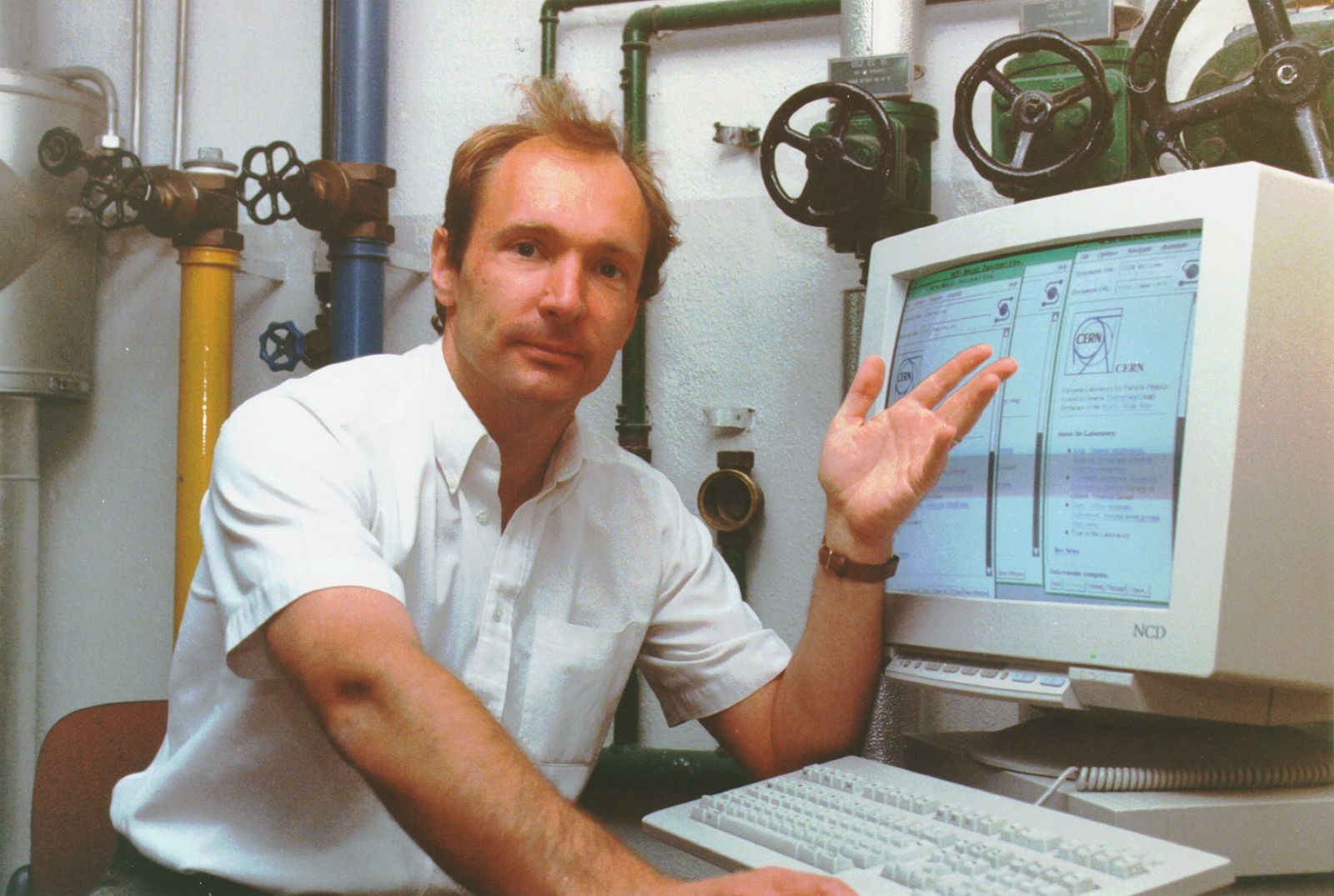
The web that Tim created for human freedom. It (music) gradually became a place where you yourself are a product. The team saw this and were devastated. He said, “This is not the web that I created. I created an open, free and equal space. This is parting with it. Today, at the age of 70, Team Berners Lee is trying to save the same web again. There is a new project called Solid in which your data remains yours. Not any company's.”
A man who gave the greatest gift to the world is today fighting to save that same gift. Sometimes I think that if Tim had filed a patent in 1991, charged a fee for every website, and charged for every email, he would have been richer than Elon Musk today. Probably the richest person in the world. But then perhaps this web would never have become what it became. Perhaps children in small countries never have access to the Internet. Perhaps that little boy who studies on YouTube in a village in Bihar would never have been able to study. The team made a trade off.
He left his wealth for the world and the world forgot him. When you use the Internet today, stop for a second. Remember the man (music) who created it all. Who gave it away for free to whom the world never gave the credit it deserved. Tim Berners-Lee. Some people don't ask for money to change the world, they just change it and perhaps that's the greatest thing. Thank you.