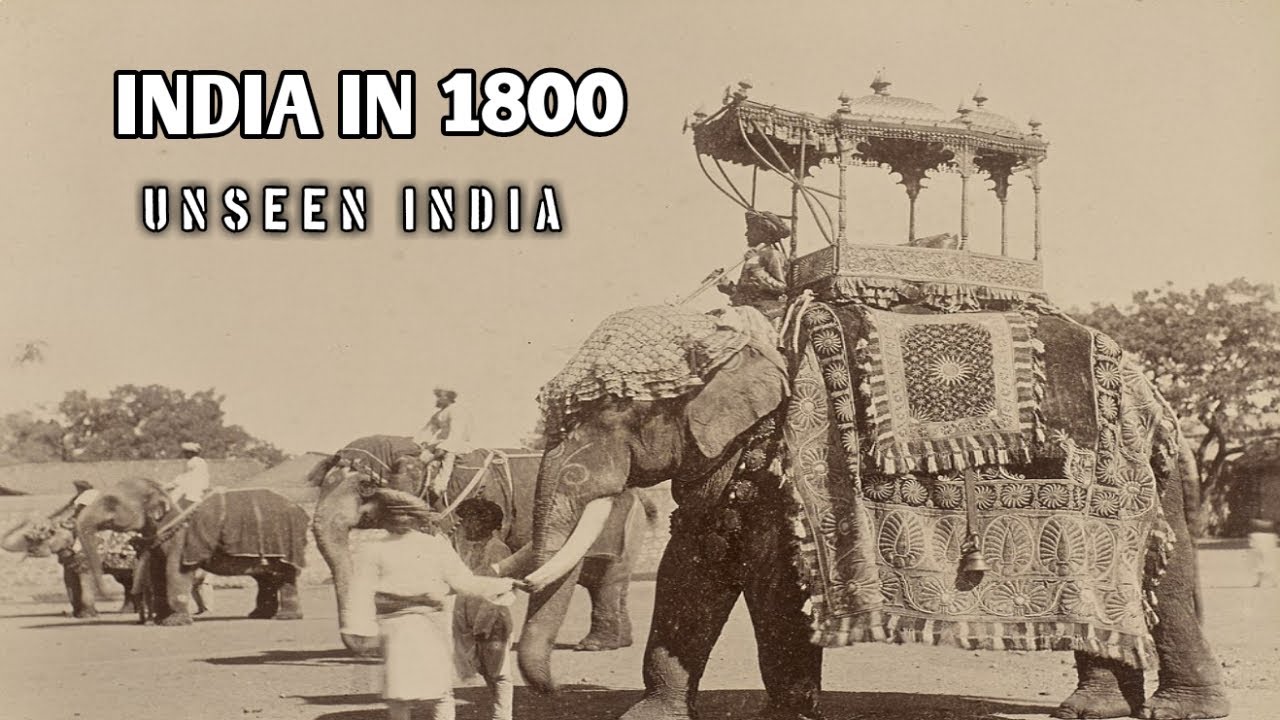
History of India: The year 1800 was the period when the Maratha and Mughal Sultanates were disintegrating in the country and the British had strengthened their roots in India. This was the period when India was the only country in the largest part of Asia from Afghanistan to Myanmar. This was the period when India's population was only 17 crores. Out of which only about 10% men and 1% women were educated. Perhaps because of this, the British, who had come from miles away, had captured India. The East India Company government had started exploiting the poor and farmers.
And left no stone unturned in looting India, which was called the golden bird. But have you ever wondered how the life of common Indians was in that period? What was their lifestyle and clothing like? What work did the Indian people of that period do and how the British took over the rule of the Indian Empire. If yes then today's article is special for you because today we will unveil the history of united India during the year 1800 which is not taught in most of the schools and colleges.
Sultanate and Government: When the British entered India in the beginning of the 16th century, their initial objective was only to trade in surf here. But when many great kings of the country did not fall prey to his sweet words, he decided to capture the power of this great country. Let us tell you that he was the captain of the first group of Britishers to set foot in India. William Hawkins, who first stepped into the port of Surat on 24 August 1608, realized this in a short time.
That he could take over India through diplomacy in 1631 when Shah Jahan was building the Taj Mahal. At that time the British were trying to expand their foothold in India. At that time, apart from some small and big kings, two big empires ruled India. The first of which was Aurangzeb's Mughal Empire and the second was the Maratha Empire. Both these powers were so powerful. That in front of them the British were less intelligent but this was their biggest weakness. Seeing their hatred for each other, the British, on one hand, kept licking the soles of the kings of these two Sultanates and tried to show that they are with you.
But on the other hand, through very clever diplomacy, many battles were fought between these two empires and they themselves kept waiting for the right opportunity to win. It took 100 years for the British to succeed in this mantra and it started in the 18th century when the East India Company had spread its foot in India. The Mughal Sultanate was on the verge of collapse and the Maratha Empire had also lost to the British in many areas. On one hand, he was exploiting the poor and farmers, on the other hand, he started recruiting young Indians into his British Army by luring them with education and money.
He used to collect very high taxes from Indian businessmen. He had opened his own factories here where he was exporting cheaply made goods and printing money blindly and all this money went directly from India to Britain. Due to which the period of economic crisis started in India. Earnings of Indians, Shortage of money and taxes. You must have heard this saying that my needs are less. Therefore, there is strength in my conscience which proves to be true for 90% of Indians in the era of 1800, however, opportunistic people have always existed in our Indian society.
Even at that time, there were some opportunistic people who used to earn more by licking the soles of the British whereas the common Indians were not able to fulfill all their needs. In a way, landlords used to loot farmers by giving them loans and charging high interest. On the other hand, farmers faced problems like floods and droughts and the deadly taxes imposed by the British broke the backs of farmers. Among those who did not do farming, some did small business.
Those whom the British did not desist from looting by collecting taxes and hafta, while some people were forced to work 16-1 hours in the British factories for a few pennies. Village business: One thing that was very good in India of that period was the barter system i.e. giving goods in exchange. It was used in most of the villages in India. If a person in the village grew rice, he would take wheat from another person in exchange for rice. The person who grew vegetables would take rice and wheat in exchange for those vegetables.
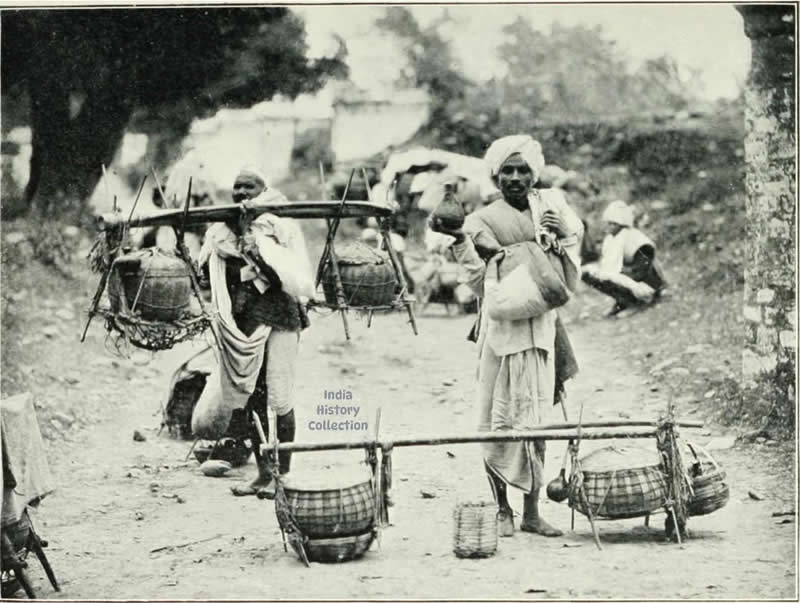
For example, 4 kg of sugar in exchange of 1 kg of paddy, 4 kg of sugar in exchange of whole month's grains and 5 kg of pulses in exchange of 5 kg of wheat. The advantage of this was that every food item was available in the village and there was no need to pay for it. Therefore, there was very little circulation of money in the villages and even today if you go to some villages in India, you will find the practice of barter there which is very good. Dress: Friends, in today's modern India, the influence of Western civilization is visible everywhere.
People are seen wearing jeans, shirts, T-shirts, tops and suits, but there was a time. When Indians used to have their own distinct desi attire, men used to wear plain dhoti and gamchha, women used to wear saree and small children were mostly seen playing and jumping in shorts, some people used to wear dhoti and kurta while only some big landowners used to wear English attire i.e. jeans and shirt. This simplicity and diversity of India made it special from the British. Even today, some elders living in Rajasthan and Uttar Pradesh can be seen wearing the simple attire of that time.

But today most of us youth do not know how to wear a lungi, which is definitely a bit disappointing. Behavior, lifestyle and business. Today, humans have reached the Moon, have sent rovers to Mars, and then Artificial Intelligence has changed the world. But around the year 1800, there was no trace of technology in India, but the life of every Indian was full of peace. There was not even a wired telephone to talk, but the heart-to-heart connection was strong with relatives for months and many years. It was difficult to meet but there was no less respect and affection in my heart.
The houses made of straw, straw and mud were crude, but the hearts of the people were very true. Bullock carts were the only means of transport, but people were very healthy, there was not a penny of money in their pockets, hence there were no wrinkles on their faces and the brotherhood was such that a crowd of the entire village would gather at one voice. Friends, in that period, whether the land was small or big, most of the people preferred farming and the favorite crops of Indian farmers were indigo cotton, opium, wheat and paddy. Which the British used to buy from farmers and sell at good prices in the foreign market.
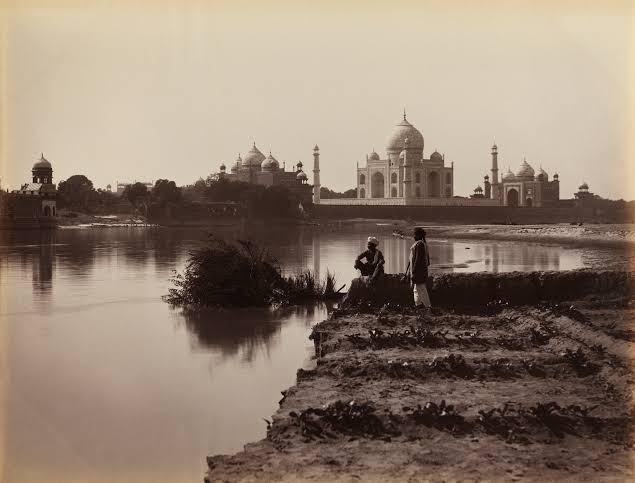
People did animal husbandry along with farming, those who did not do farming. When he worked in a British factory, everyone used to come to their house in the evening and do bhajan, kirtan and satsang. But lamps were also lit in homes, because there was no light in India during this period. Then people would sleep early at night and get up early in the morning to go to work. People of the 18th century used to respect elders a lot and the same thing happened from home to village. Whatever the elders used to say, however, it was a similar period. When there was maximum caste discrimination in India.
It was common to have some conflict between different religions, but even within the same religion, the caste system was followed. These castes divided Hindus into four main categories – Brahmins, Kshatriyas, Vaishyas and Shutras, in which there was a lot of discrimination against Dalits and other small castes and this discrimination was going on for the last 200 years. Against which Doctor Baba Saheb Ambedkar had fought a big battle and brought revolution in the country in the 20th century, but to know how he ended this discrimination, you can watch our series of many unheard stories of Dr. Ambedkar.
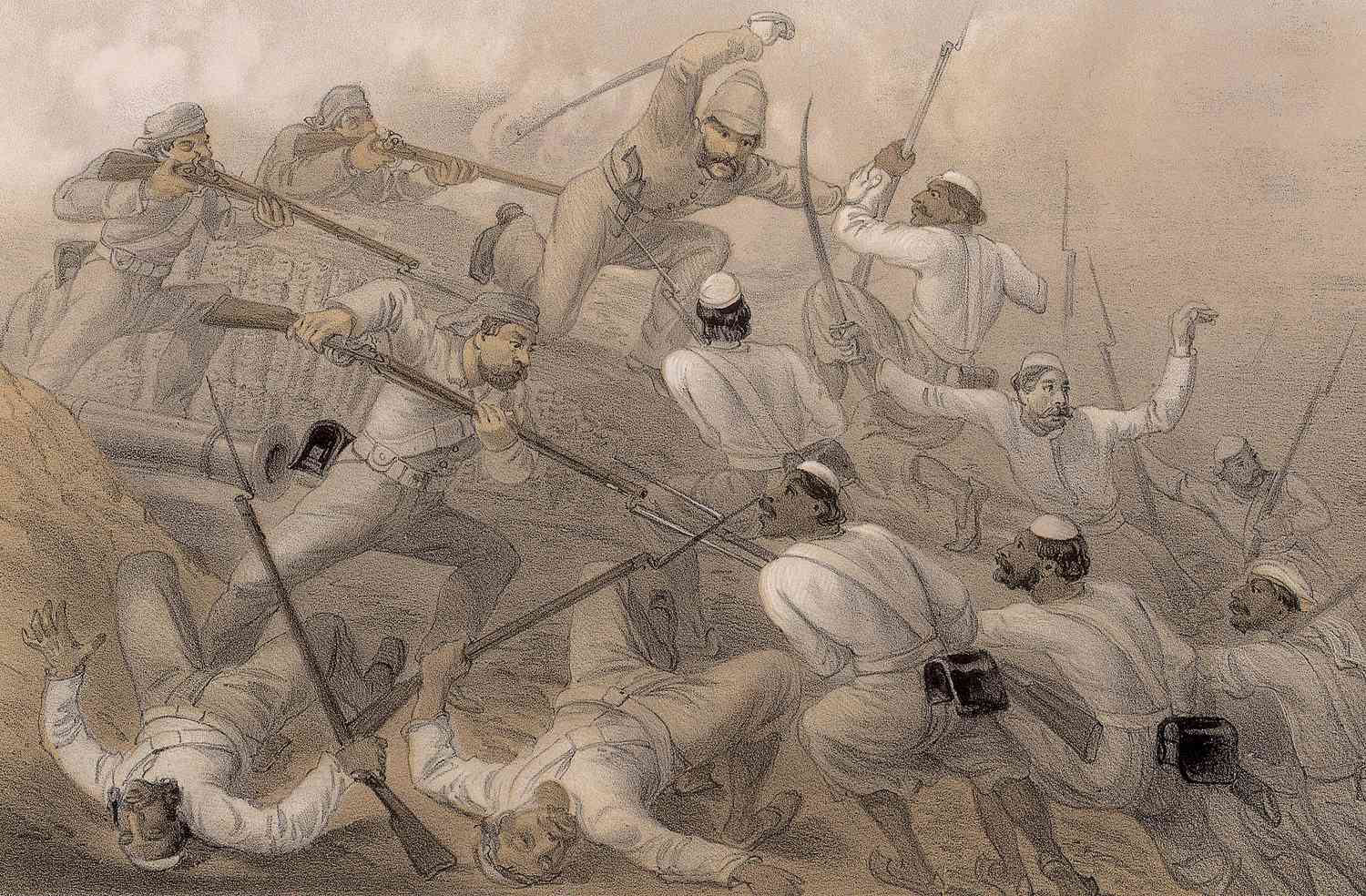
The link of which is in the description. If we come back to the issue at that time, the British themselves increased casteism further by adopting the Divide N Rule rule to break the unity of Indians. People used to work according to their caste, like washermen used to wash clothes, potters made pottery, barbers of every generation used to cut hair. In this way, everyone used to do their business as per their own. Population and area: Today the population of India has crossed 145 crores, which is the highest in the world. But the population of united India at that time was only 17 crores.
That too, not only in India spread from Kashmir to Kanyakumari, only 17 crore people lived in united India which was made up of India along with Pakistan, Bangladesh, Burma and Afghanistan. Today, in metro cities like Mumbai, Delhi and Bangalore, people spend hours in traffic and there is a lot of congestion everywhere in the cities. There was nothing like that at that time. Apart from the local market, there was no crowd in any area. Dense forests were spread over large parts of the country. Small villages used to be situated amidst big forests and there were very few urban areas.
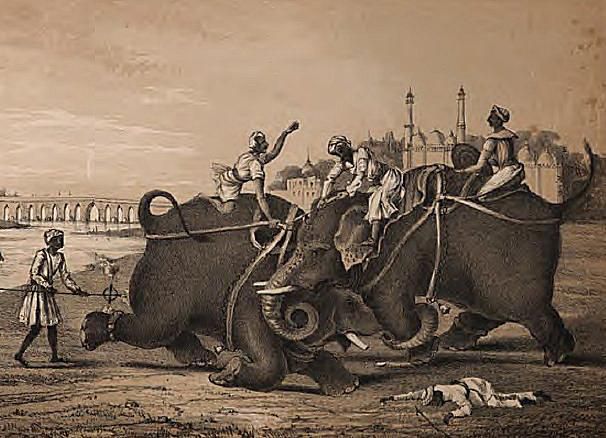
Because of this, India was home to countless wild animals and humans were always in fear of attacks by these animals. People used to light a fire in their house before sleeping at night so that no wild animals could come and attack them in the dark, however due to these wild animals there was no trace of pollution in the entire India. There was abundance of fertile land, people ate pure food rich in nutrients, there was no question of mixing chemicals in fruits and vegetables like today, even though the condition of the roads was poor.
But people's lives were happy; The average age of Indians at that time was also much higher than today. Education and Literacy Now if we talk about education, you will be surprised to know that at that time the number of educated people in India was very less. Only 10 per cent of men and 1 per cent of women were literate in the country, although all the people living in India without education were very skilled in some work or the other. Overall, at that time, some things in India were very good and some were very bad, at some places people were very happy.
So somewhere very sad, but be it India or any other country in the world, nature has been following this rule for centuries to maintain balance. So friends, if you are also proud of the great history of united India. So in the comment box, please write two words in praise of our country and also tell us that specialty of that era which today's modern era is missing. Hail India.