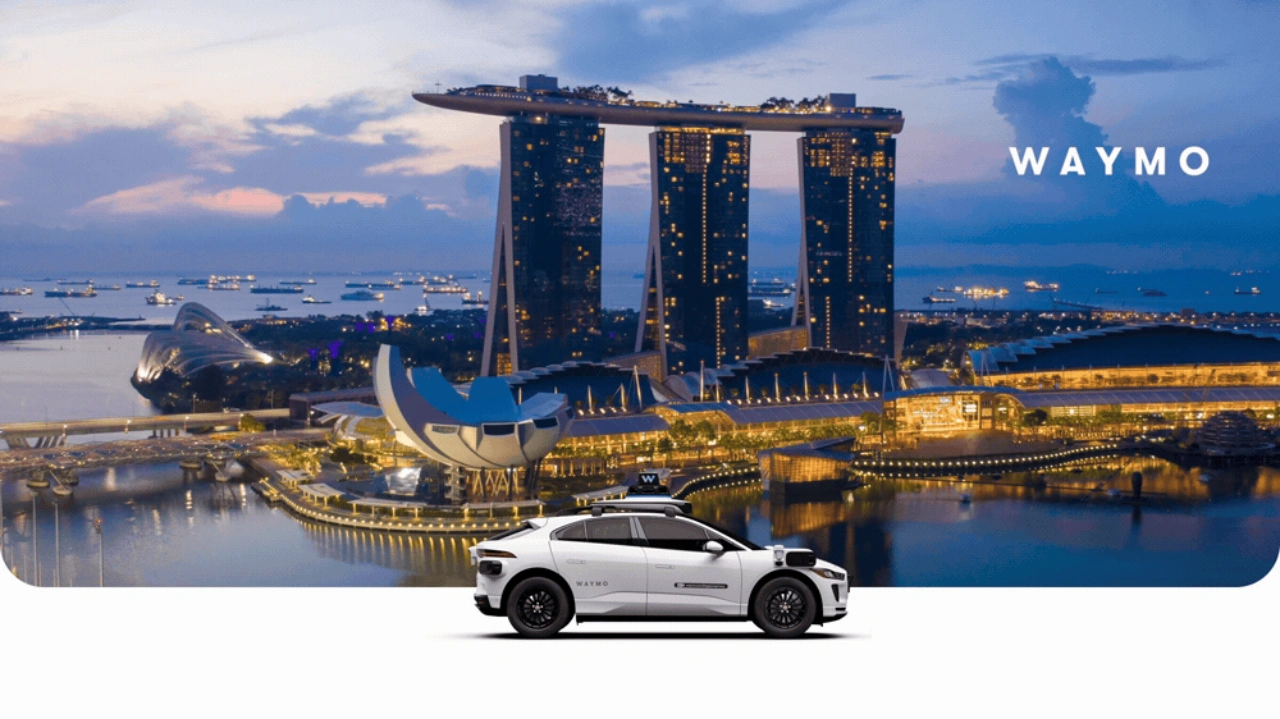
Waymo announced on September 17, 2026, that it will bring its autonomous ride-hailing service to Singapore by 2028, thereby marking the company’s first Southeast Asian commercial operation. The announcement arrives with partnership backing from Singapore’s Ministry of Transport and Land Transport Authority, alongside a methodical rollout that begins this year with vehicle arrivals, moves into a 2027 adaptation phase, and targets commercial service in 2028.
The timing matters less than what it disrupts. Singapore’s autonomous vehicle market isn’t waiting for Waymo. Grab (partnered with WeRide) and ComfortDelGro (partnered with Pony.ai) already operate autonomous shuttle services in Punggol.
LTA describes Waymo as joining ComfortDelGro and Grab as Singapore’s newest autonomous vehicle operators and that existing momentum raises a harder question than simply whether Waymo will arrive on time: What does Waymo’s entry actually mean in a city where autonomous public mobility already exists?
The Announced Path Forward
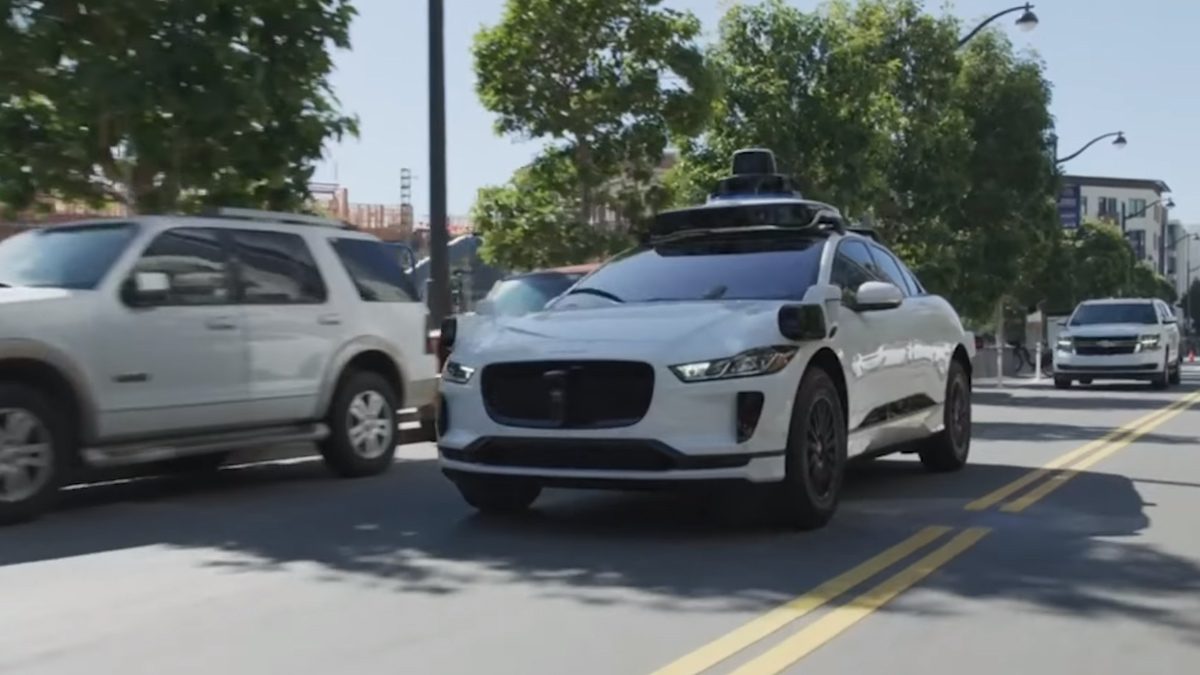
Waymo plans to deploy an initial fleet of all-electric Jaguar I-PACE vehicles. During 2027, trained specialists will conduct manual driving operations to adapt Waymo’s autonomous system to Singapore’s specific conditions, with road geometry, monsoon weather, and dense urban traffic patterns. The company targets opening its Waymo app–based service to commercial riders in 2028, contingent on regulatory approvals.
The phased approach mirrors Waymo’s framework across the United States and planned launches in Tokyo, London, and Munich. Waymo has logged more than 300 million fully autonomous kilometres and served over 20 million fully autonomous rides, and Waymo says its U.S. operations have demonstrated a 94% reduction in injury-causing crashes compared to human drivers in the cities where it operates fully autonomously.
Singapore’s Existing Autonomous Ecosystem
What makes Singapore interesting isn’t Waymo’s arrival, but it’s Waymo arriving into a market already running autonomous vehicles at scale.
Grab announced just days before Waymo’s announcement that it will expand its autonomous fleet from 10 to 50 vehicles over the next six months and aims to broaden coverage beyond Punggol, subject to regulatory approvals. WeRide’s operations in Punggol demonstrate that autonomous shuttles work in real traffic.
Singapore already has operational autonomous mobility services and an established regulatory framework for AV deployments. LTA has granted operating approvals to existing services, and deployments must continue to meet safety and regulatory requirements.
What Waymo Brings That Others Don’t
Waymo’s service differs from existing shuttle operations. Grab and WeRide run defined routes with scheduled stops, and Waymo’s model is app-based, on-demand ride-hailing closer to traditional taxi service but fully autonomous.
On-demand autonomous mobility in a dense city creates different traffic patterns, different first-and-last-mile connectivity opportunities, and different competition dynamics than fixed-route shuttles.
Waymo also emphasizes sustainability as its 100% electric fleet directly supports Singapore’s Green Plan 2030. At current operational scale, Waymo’s U.S. fleet prevents approximately 480 metric tonnes of carbon dioxide weekly.
That environmental messaging resonates with Singapore’s stated policy priorities.
The Questions That Remain
Coverage from Reuters, The Verge and Straits Times has focused on the announcement itself and Waymo’s global expansion strategy.
Will service launch islandwide or begin in specific areas? What will rides cost relative to Grab or existing transit? How large will the initial fleet actually be? How will Waymo integrate with Singapore’s public transport network rather than compete against it?
Straits Times reported uncertainty over whether the eventual service will cover all of Singapore. Waymo has not announced specific launch zones, pricing, or fleet size beyond “initial fleet” language.
What This Actually Means
Waymo’s planned 2028 launch remains subject to regulatory approvals. Its app-based, on-demand model differs from the fixed-route shuttle services already operating. How this new type of autonomous mobility fits into Singapore’s transport system, alongside existing services and public transport, will become clearer only after the 2027 readiness phase and the eventual commercial start.
Whether Waymo’s app-based model outperforms shuttle services, whether pricing becomes competitive, and whether riders prefer on-demand over scheduled service—these questions will determine Waymo’s actual role in Singapore’s transport future.
(Source)