- A huge increase of 9 times
- A big share of the young generation
- More than 50% AI devices
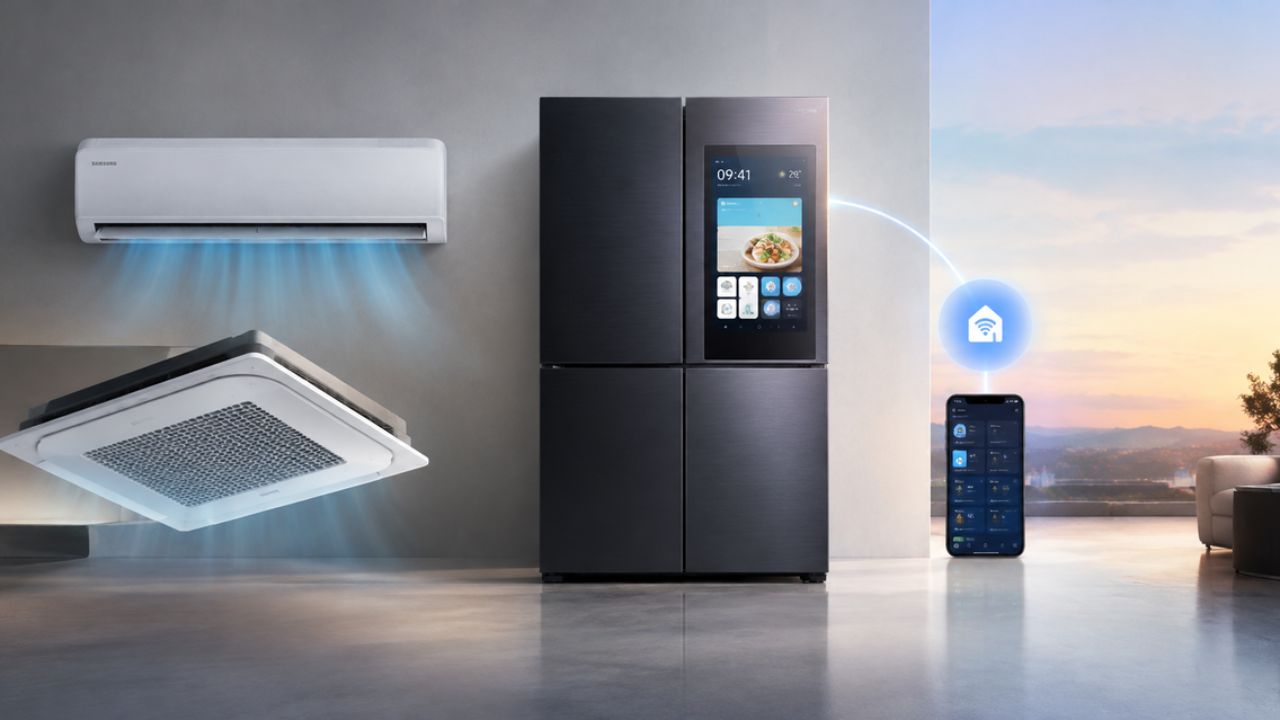
From the common housewives to the working youth in India, everyone's lifestyle is now changing rapidly. Technology, especially Artificial Intelligence (Samsung AI), has played a major role in changing the face of Indian homes in the last few years. Previously limited to expensive TVs or smartphones, AI technology has now made its way directly into our kitchen refrigerators, washing machines, and air conditioners (AC) that keep our homes cool. According to the latest data from global consumer electronics leader Samsung, demand for AI-enabled connected devices in India has grown by nearly nine times in the last three years.
Modern Indian consumers are no longer just buying appliances that get the job done, they are also preferring appliances that save power, automate tasks and can be controlled from anywhere via a smartphone app. This technology is rapidly developing the 'smart home ecosystem' in Indian homes, making India one of the fastest growing hubs globally for Samsung.
82K to 7.32 Lakhs Directly: Samsung's Surprising Reveal
According to the official data released by Bona Lee, Vice President of Digital Appliances Business, Samsung Electronics, the growth of AI devices in India is staggering. In 2022, the number of Samsung's new connected devices in the country was just 82,000. It has increased directly to 7,32,000 in the last year. Not only this, but in the first eight months of this year, Samsung has easily surpassed the sales figure of the entire last year.
This rapid growth has seen Southwest Asia (of which India dominates) share of Samsung's total connected devices market globally from just 2 percent in 2022 to 13 percent in 2026. These statistics make it clear that the Indian market is now catching up with the developed countries of the world in adopting technology.
Click here to read news related to world affairs: India Bangladesh: India angry over review of 101 contracts; Delhi eyes the changing role of Bangladesh
Young consumers (Gen Z & Millennials) are the main architects of this revolution
India's young consumers are becoming the biggest force behind this revolutionary change. According to a Samsung study, 71% of users actively using Samsung's 'SmartThings' app in India and Southwest Asia are young people in the age group of 20 to 30. In comparison, the global average is only 48%. That is, the young generation in India is far ahead of the global average in using digital devices.
Along with metro cities, new homebuyers in tier-2 and tier-3 cities are now increasingly attracted to AI devices by young and working citizens. Starting the AC without reaching the house, tracking the status of the food in the fridge or setting the cycle of the washing machine according to the type of clothes are now part of the daily routine of the youth from smartphones.
Click here to read news related to world affairs: Imaan Mazari Rearrest : What Happened In Anti Terrorism Court? Political vendetta in Pakistan exposed in Iman Mazari case
Over 50% of devices in India are AI-enabled; Samsung's big plan for the middle class
According to JB Park, president and CEO of Samsung Southwest Asia, more than 50% of Samsung's total home appliances sold in India are currently AI-based. Until now, AI technology was largely considered to be limited to premium or expensive devices. But, the company has now changed its strategy. Samsung will soon make these AI features available in mid-range and entry-level devices as well, so that every middle-class family in India can directly benefit from an AI home.
Earlier this year, Samsung had set a goal of equipping 800 million devices worldwide with AI features by the end of the year. This target is double compared to last year's Rs 40 crore. This stormy demand in India is helping Samsung to achieve this global goal. These sales figures clearly show that neither international economic challenges nor geopolitical tensions have had any adverse effect on the buying enthusiasm of Indian consumers.