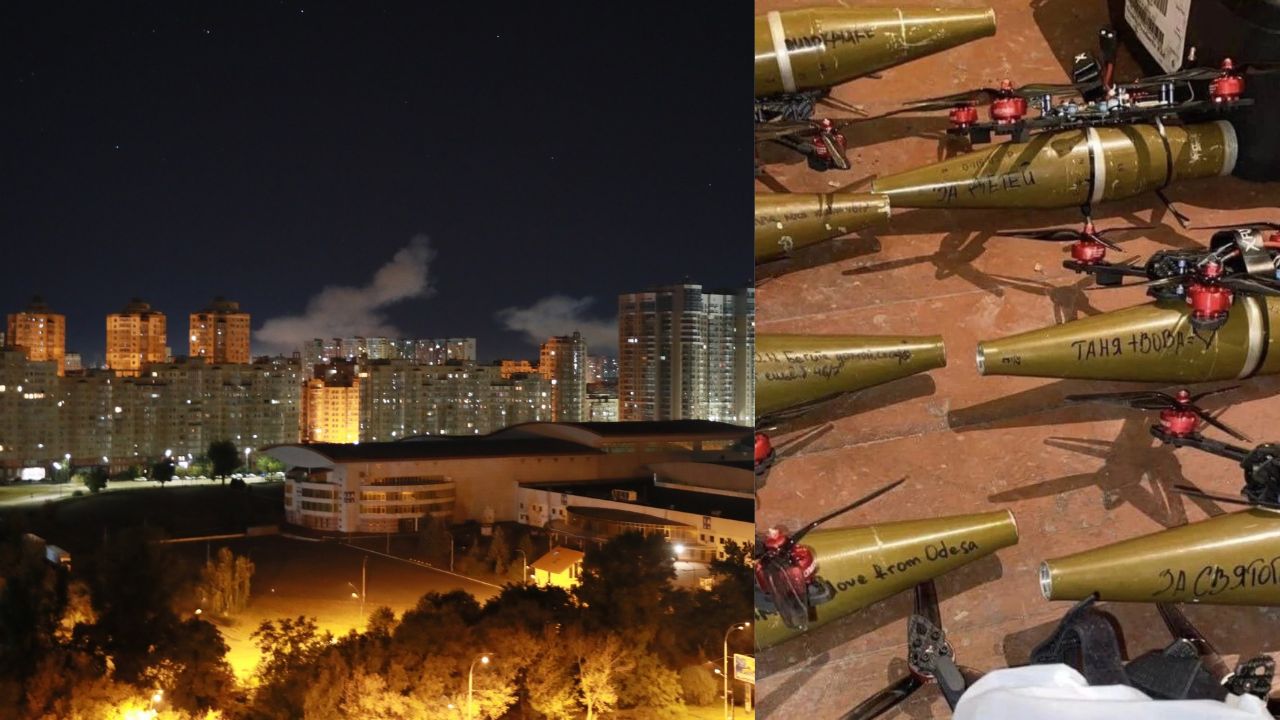
Moscow: Ukraine has launched a massive overnight drone assault on Russia, with more than 1,000 drones reportedly targeting multiple locations, including hundreds heading towards Moscow. The unprecedented aerial attack took place as Russia completed its first wartime parliamentary election, raising fresh questions over Moscow's air defense preparedness and the expanding role of drone warfare in the Russia-Ukraine conflict.
Russian authorities said the attack caused damage in and around the capital, including at an oil refinery and a residential building. The strike has become one of the largest drone attacks reported since the beginning of the war and has highlighted Ukraine's growing capability to carry out long-range operations inside Russian territory.
The latest escalation comes as both sides continue using advanced unmanned aerial systems to target military-linked infrastructure, energy facilities and strategic locations far away from the frontline.
Moscow Targeted In Biggest Drone Wave
Moscow Mayor Sergei Sobyanin described the attack as the largest drone assault faced by the Russian capital. According to Russian officials, around 450 drones moving towards Moscow were destroyed before reaching the city.
Authorities reported damage to the Moscow Oil Refinery and a residential building following the attack. In the wider Moscow region, officials said two people were killed and 20 others were injured.
Regional Governor Andrei Vorobyov said the victims included a 74-year-old man and a 44-year-old woman. Emergency response teams were deployed as authorities assessed damage and carried out security operations in affected areas.
Ukraine did not immediately release details about the reported operation. However, Ukrainian President Volodymyr Zelenskyy later indicated that Kyiv had used a combination of missiles and drones to strike Russian military-related targets, including oil and logistics facilities.
Russia Claims Over 1,000 Drones Intercepted
Russia's Ministry of Defense said its forces destroyed around 1,100 Ukrainian drones across Russian territory, Crimea and the Black Sea region.
Russian officials said the drone offensive was aimed at disrupting the parliamentary election process but claimed voting continued without major interruption.
The attack occurred during the final phase of Russia's parliamentary election, the first major national vote held after the start of the war with Ukraine.
How Drone Warfare Has Changed The Russia-Ukraine War
The latest attack underlines how drones have transformed modern warfare. Ukraine has invested heavily in domestic drone technology, developing long-range unmanned systems capable of reaching targets deep inside Russian territory.
These drones have become a key part of Ukraine's strategy to target energy infrastructure, fuel facilities and logistics networks linked to Russia's military operations.
Military experts say the battlefield has increasingly shifted toward remote warfare, with drones, surveillance systems and automated technologies playing a decisive role in modern combat.
The growing use of long-range drones has also forced both countries to strengthen air defense systems and develop new methods to counter unmanned aerial threats.
Drone Attack Coincides With Russia's Wartime Election
The timing of the attack attracted global attention as it coincided with Russia's parliamentary election.
Russia also conducted voting in four Ukrainian regions that Moscow claims to have annexed during the conflict, along with Crimea, which Russia annexed in 2014. Ukraine and several international governments have rejected these moves.
The election was widely viewed as an important political event for President Vladimir Putin's government, with authorities seeking to demonstrate stability despite the ongoing war.
Rising Security Concerns Beyond The Battlefield
The Moscow drone attack demonstrates how the Russia-Ukraine conflict has expanded beyond traditional frontlines. Long-range strikes have increasingly targeted economic and strategic infrastructure, creating pressure on both governments.
Ukraine has attempted to increase costs for Russia's war effort by targeting facilities linked to energy production and logistics. Russia, meanwhile, continues missile and drone attacks against Ukrainian cities and infrastructure.
The latest escalation comes as diplomatic efforts for a possible settlement remain uncertain, with both sides continuing military operations and strengthening their defense capabilities.
The future course of the conflict may increasingly depend on technological advancements, especially in drone warfare, electronic defense systems and long-range strike capabilities.