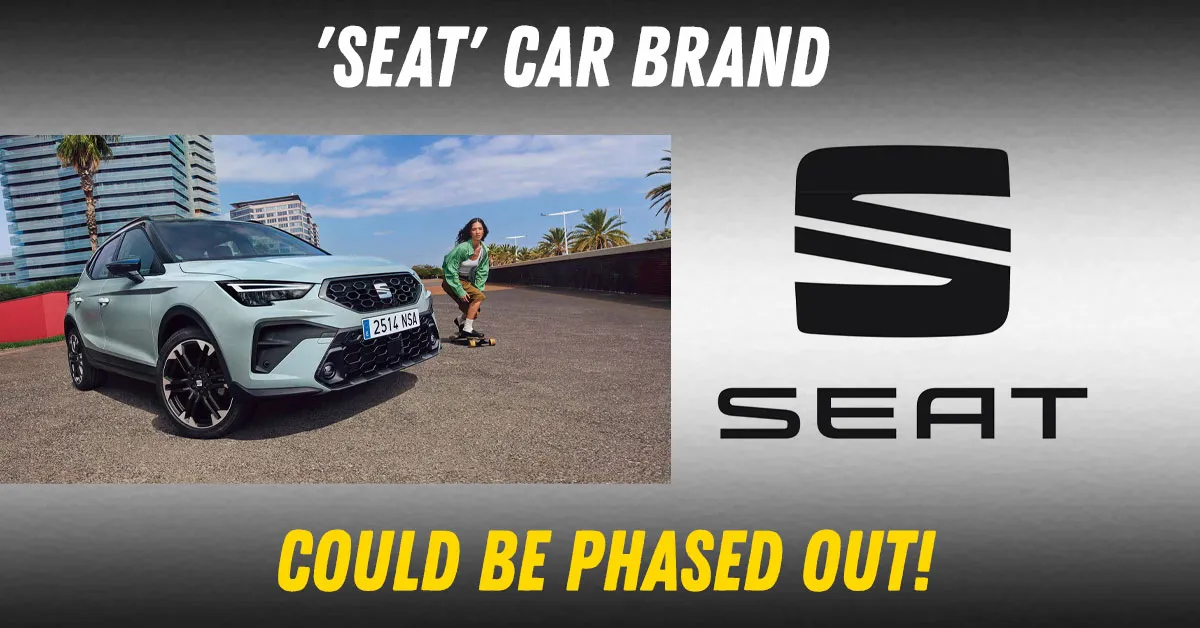
SEAT could disappear as a car brand around 2030 as Volkswagen reviews whether it still makes sense to keep investing in the 76-year-old Spanish marque. There is no indication that Volkswagen plans to sell SEAT, and no Chinese carmaker has been linked to a takeover. The issue is simpler: Volkswagen has to decide which brands deserve fresh products and investment at a time when European carmakers are under growing pressure from Chinese rivals.
SEAT was founded in 1950 and became part of Volkswagen Group in 1986. It remains a sizeable brand, but its position inside the group has weakened. SEAT delivered 257,400 cars in 2025, down 17 percent from the previous year. It has not launched an all-new model since 2020, and its current range is still centred on combustion-engine cars.
The bigger problem for SEAT is that Volkswagen already has another Spanish brand covering much of the same territory. Cupra began as SEAT’s performance sub-brand before becoming a standalone marque in 2018. It has since moved into higher-priced crossovers, plug-in hybrids and EVs, while building a younger and more distinct identity.
The sales numbers now favour Cupra. It delivered 328,800 cars in 2025, up 32.5 percent, overtaking SEAT by more than 71,000 units. Cupra also has a clearer electric roadmap, with models such as the Born and Tavascan already on sale and the smaller Raval joining the line-up.
That makes Volkswagen’s investment decision difficult. Developing another generation of platforms, software, batteries, safety systems and models for SEAT would require substantial spending. If Cupra can attract similar customers while selling more expensive vehicles and supporting Volkswagen’s EV plans, the case for duplicating that investment becomes weaker.

Chinese manufacturers are not the sole reason SEAT is vulnerable. Volkswagen is already carrying out a major restructuring, Europe’s car market remains below its pre-pandemic size, and the shift to EVs requires heavy investment. But the rapid growth of BYD, SAIC, Geely, Chery and other Chinese groups adds another layer of pressure.
Chinese brands accounted for about 9 percent of EU car sales in the first half of 2026. They are also expanding local production in Europe, which means established manufacturers cannot rely indefinitely on tariffs to protect their home market. The competition increasingly comes from EVs and hybrids that combine aggressive pricing with modern cabins, software and long feature lists.
For Volkswagen, that raises the cost of keeping overlapping brands alive. Every euro committed to a new SEAT model is money that cannot be spent strengthening Volkswagen, Skoda, Audi or Cupra against increasingly capable rivals.
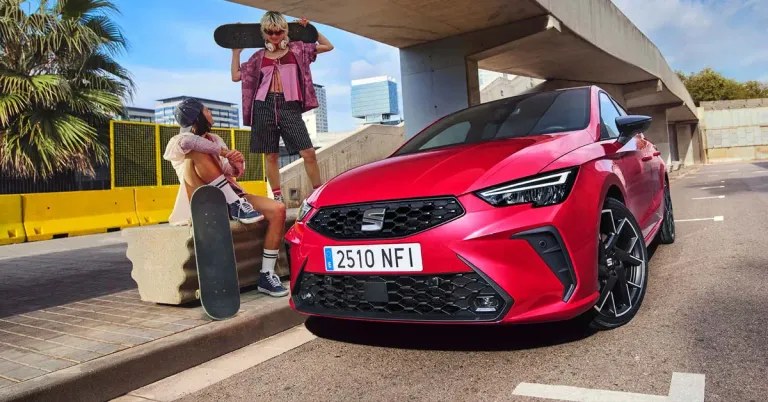
The most plausible outcome at present is not a sale. Volkswagen is considering what happens after SEAT’s current model cycle, with analysts expecting the brand could gradually be phased out around 2030 while Cupra takes a larger role. Existing SEAT models such as the Ibiza and Arona can continue to be updated in the meantime, so there is no immediate effect for current owners or buyers.
If Volkswagen eventually lets SEAT disappear, it would show that the competitive pressure created by China’s rapidly expanding car industry is beginning to influence which long-established European brands their own parent companies are willing to fund.