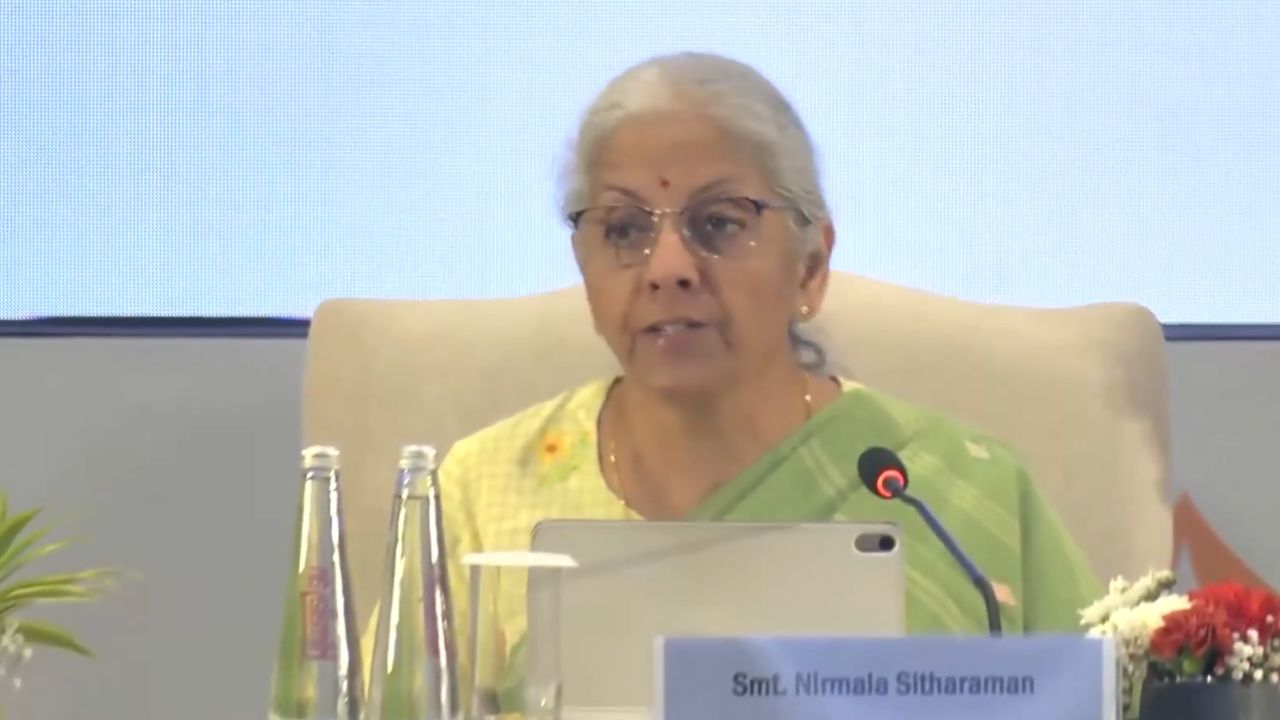
New Delhi: Finance Minister Nirmala Sitharaman on Wednesday highlighted the disproportionate burden of transfer pricing disputes on developing countries. She called for greater cooperation among BRICS economies to address challenges in the international taxation system.
Speaking at the BRICS Tax Head Meeting 2026, Sitharaman said developing-country tax administrations face particular difficulties in dealing with transfer pricing disputes and tax frameworks that do not adequately reflect their fiscal realities.
“Transfer pricing disputes cost developing-country administrations disproportionately. Revenue frameworks that don’t fit our fiscal realities distort how we are seen and how we see ourselves. These Working Groups exist because every country in this room has experienced these problems, “she said.
Two Working Groups Proposed To Address Tax Challenges
After the meeting, two working groups were proposed, one on International Taxation and Transfer Pricing and another on Revenue Statistics. FM Sitharaman said the groups would provide a sustained platform for BRICS countries to work on issues affecting developing-country tax administrations.
FM Sitharaman said the proposed mechanisms would help ensure that efforts continue beyond a single BRICS chairship and provide continuity irrespective of which country holds the presidency in subsequent years.
Sitharaman also said international taxation rules are currently being renegotiated, with several multilateral discussions underway, including negotiations on the UN Framework Convention on International Tax Cooperation.
“The rules of international taxation are being renegotiated. There are several multilateral tax negotiations including the UN Framework Convention on International Tax Cooperation under active negotiation,” added the Minister.
She stressed that BRICS economies should have a meaningful role in shaping the emerging global tax framework by describing their participation as “essential” to ensuring its fairness and durability.
“The decisions made in these processes over the next few years will shape cross-border taxation for a generation. BRICS economies — as source jurisdictions, as large developing economies, as countries that have built significant domestic tax capacity from a low base — have a perspective on those negotiations that is essential to their fairness and their durability, ” added the Minister.