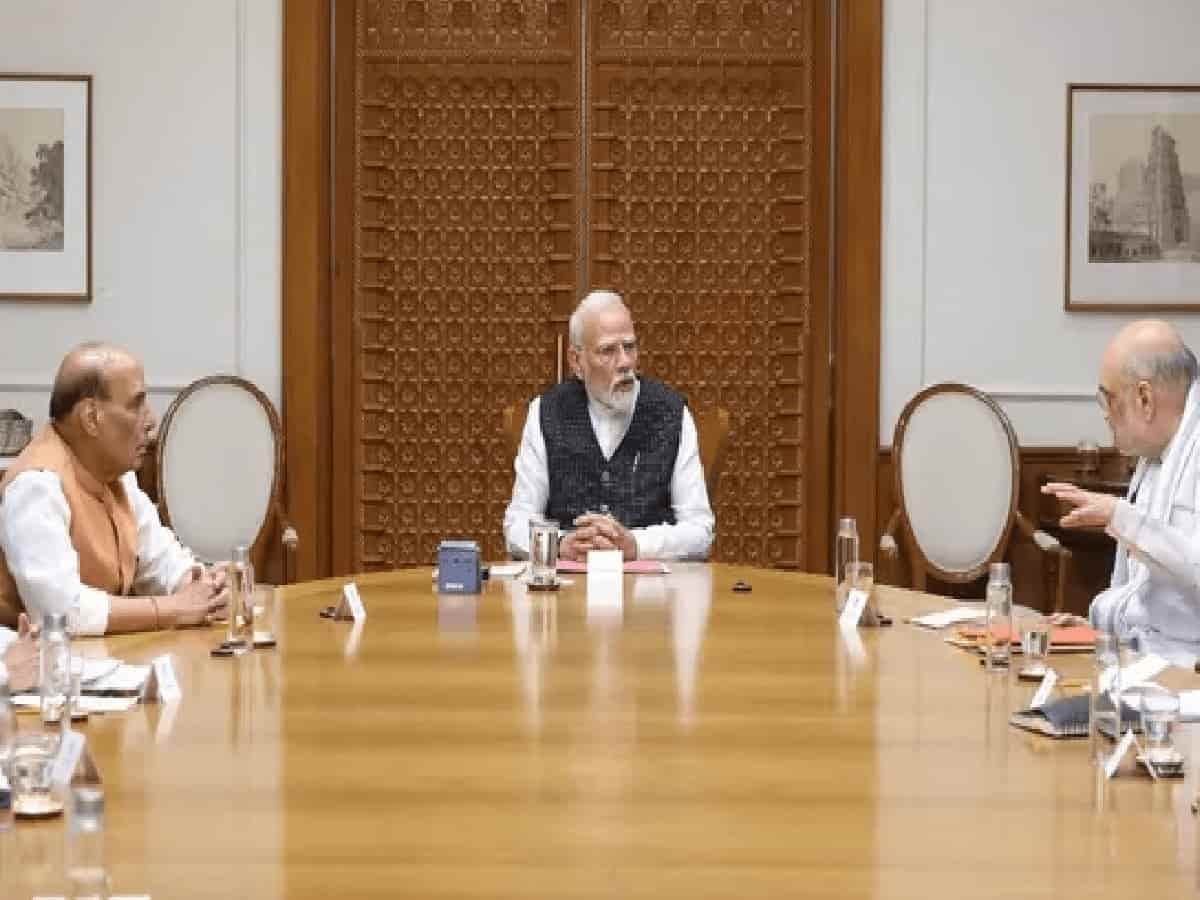
Prime Minister Narendra Modi will lead an intensive, high-level two-day brainstorming conclave—termed the Thinking Baithak—with the entire Union Council of Ministers beginning Wednesday, September 23, 2026. Convened at Seva Teerth in New Delhi, the venue housing the Prime Minister’s Office (PMO), the strategic session will run across September 23 and 24 to review policy implementation mechanisms, streamline inter-ministerial coordination, refine administrative time management, and accelerate key structural reforms across vital socio-economic sectors. Senior administrative sources noted that the gathering serves as an executive platform to assess ground-level delivery of flagship welfare programs and realign bureaucratic momentum with long-term governance blueprints.
Six Specialized Ministerial Taskforces: Focus on Last-Mile Delivery and Time Efficiency
To structure the deliberations for maximum operational efficiency, the central leadership has divided the Council of Ministers into six dedicated working groups, each comprising eight ministers tasked with evaluating specific governance portfolios. These ministerial clusters have held extensive preparatory rounds leading up to the summit, drafting empirical presentations on eliminating execution bottlenecks, optimizing departmental workflows, and adhering to strict project completion timelines. Key focus areas include benchmarking public service delivery, minimizing bureaucratic friction between allied departments, and developing automated tracking frameworks to ensure policy benefits reach intended rural and urban beneficiaries without procedural delays.
Sectoral Roadmaps and Structural Reforms: Ministers to Present Future Action Plans
Over the course of the marathon two-day assembly, designated Union Ministers are scheduled to deliver comprehensive presentations outlining sectoral roadmaps, digital transformation initiatives, and policy overhauls executed within their respective ministries. The discussions will also emphasize establishing outcome-oriented performance indicators, standardizing institutional reviews, and adopting innovative governance models across infrastructure, social welfare, agriculture, and industry. By directly engaging all tiers of the Union Council, the Prime Minister aims to reinforce ministerial accountability, foster collaborative decision-making, and expedite national policy rollouts designed to drive sustainable economic expansion and citizen-centric governance.