New Delhi: India’s semiconductor industry is moving from policy announcements to commercial production and ecosystem building, with Semicon 2.0 and SEMICON India 2026 creating the foundation for what industry leaders describe as a “positive spiral” of investment, manufacturing and localisation.
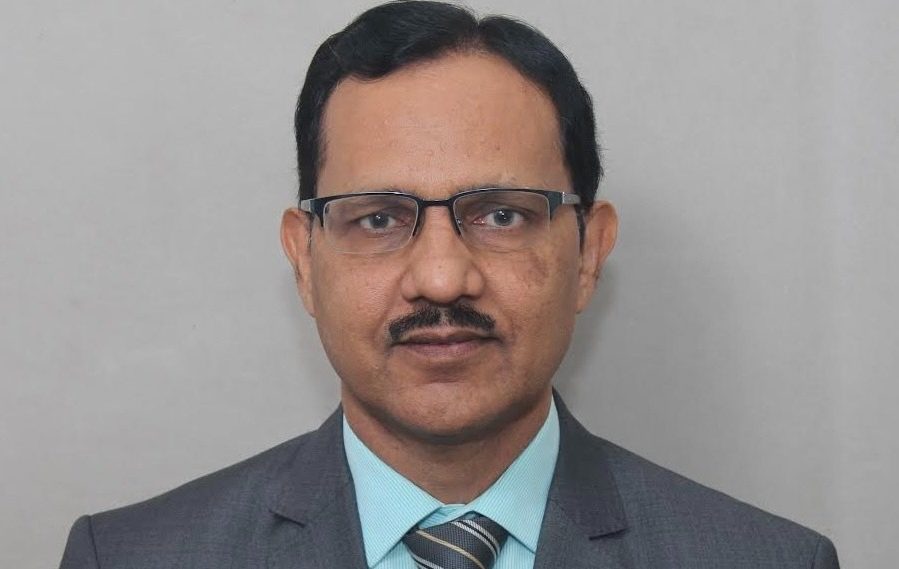
Speaking after the conclusion of SEMICON India 2026 Wednesday, Ashok Chandak, President, SEMI India and IESA, said India was moving “from credibility to capability” in semiconductors.
“Semicon 1.0 created the foundation; Semicon 2.0 is now deepening the ecosystem,” Chandak said, adding that investment was increasingly translating into manufacturing, partnerships and commercialisation.
The fifth edition of SEMICON India, held from September 17 to 19 at Yashobhoomi, New Delhi, recorded 51,656 registrations, around 40,000 visitors, more than 600 exhibitors and participation from 52 countries.
The event also saw 54 MoUs and strategic announcements, over 5,000 B2B discussions and around $7 billion in investment commitments.
An EY-IESA report released during the event projected India’s semiconductor market could reach $200 billion by 2035, driven by growth across chip manufacturing, packaging, materials, equipment, design and electronics.
Chandak said the industry was increasingly becoming an ecosystem story spanning design and intellectual property, fabs, advanced packaging, equipment, materials, logistics, talent and electronics manufacturing.
“Investment creates manufacturing, manufacturing creates supplier demand, supplier demand drives localisation, and localisation creates skills and technology,” he said, describing the process as a positive spiral that could attract further investment.