7 Best Places to See Bioluminescent Beaches Around the World
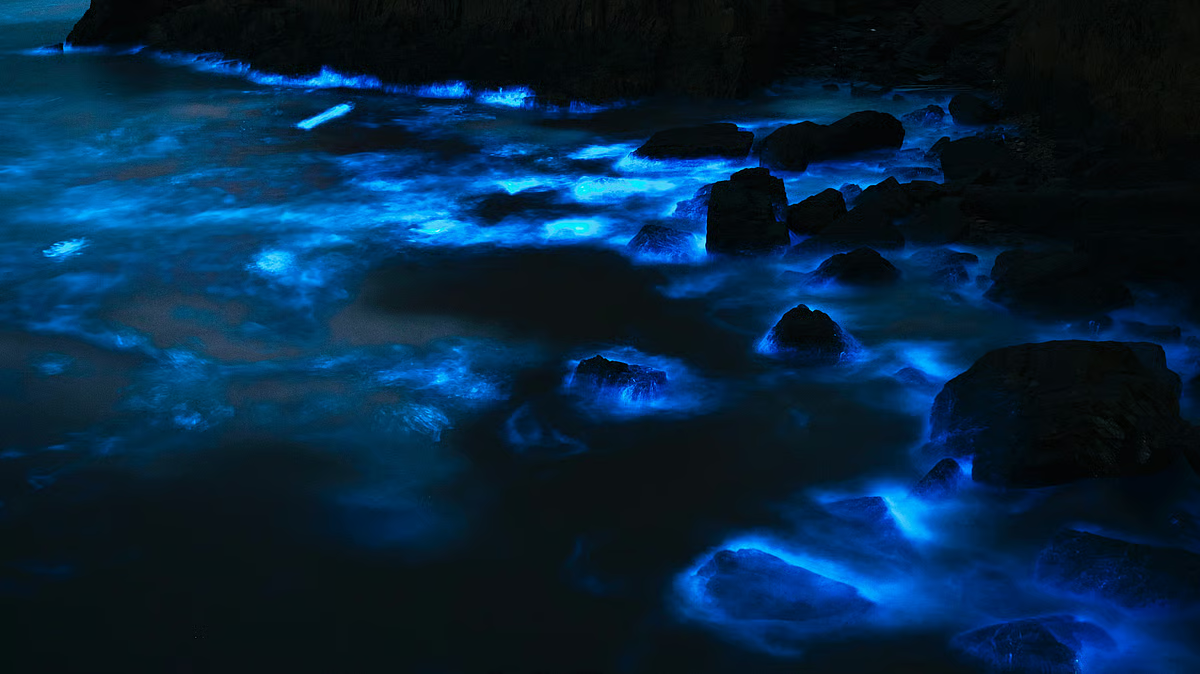
Imagine standing on a quiet beach at night and watching the waves glow electric blue as they reach the shore. It may sound like something from a fantasy movie, but bioluminescent waters are a real natural phenomenon. Tiny marine organisms called dinoflagellates can produce light when the water is disturbed, creating a magical blue-green glow.
If you want to witness this extraordinary natural spectacle, here are seven places around the world worth knowing about.
1. Mosquito Bay, Puerto Rico
Located on the island of Vieques, Mosquito Bay is one of the world’s most famous bioluminescent destinations. The warm, sheltered waters provide an ideal environment for bioluminescent microorganisms.
On a dark night, every movement through the water can create glowing trails around a kayak or boat. The experience is particularly impressive when there is little moonlight.
2. Vaadhoo Island, Maldives
The Maldives is famous for its white-sand beaches and turquoise waters, but some nights bring an additional attraction—the so-called “Sea of Stars.”
Bioluminescent plankton can make the waves appear to sparkle with tiny blue lights. When conditions are right, the glowing water against the dark beach creates an unforgettable scene.
3. Luminous Lagoon, Jamaica
Near Falmouth, Jamaica, Luminous Lagoon is a popular place to experience bioluminescent water. The lagoon contains microscopic organisms that glow when the water is disturbed.
Visitors can take nighttime boat tours and watch the water light up around the boat. The warm tropical setting makes it an especially memorable way to experience bioluminescence.
4. Toyama Bay, Japan
Toyama Bay offers a slightly different kind of bioluminescent spectacle. Instead of glowing plankton along a beach, the area is famous for firefly squid.
These tiny squid produce a striking blue light and can appear in large numbers during the spring season. Boat excursions provide opportunities to see this unusual marine phenomenon.
5. Jervis Bay, Australia
Jervis Bay on Australia’s east coast is known for its beautiful beaches and exceptionally clear waters. At certain times of year, bioluminescent plankton can appear in the bay.
When conditions are favorable, waves and movements in the water can produce flashes of blue light, turning an ordinary nighttime swim or shoreline walk into something extraordinary.
6. Ha Long Bay, Vietnam
Vietnam’s Ha Long Bay is already famous for its dramatic limestone islands, but nighttime kayaking can offer another spectacular experience.
In dark, calm conditions, bioluminescent organisms may glow in the water as paddles disturb the surface. Paddling through the darkness while watching the water sparkle can be a memorable way to experience this UNESCO World Heritage landscape.
7. Koh Rong, Cambodia
The tropical island of Koh Rong is another destination where visitors can sometimes see bioluminescent plankton after dark.
Swimming or moving through the water can cause tiny flashes of blue light to appear around you. The effect is most impressive on nights with minimal artificial light and little moonlight.
How to See Bioluminescent Water
Bioluminescence is a natural phenomenon, so sightings can never be guaranteed. Your chances are generally better when the sky is dark, artificial light is minimal, and the water contains a high concentration of bioluminescent organisms.
A new-moon period is often ideal because there is less natural light competing with the glow. Local guides can also be helpful because they know when and where bioluminescence is most likely to appear.
A Natural Light Show Like No Other
From Puerto Rico and Jamaica to the Maldives, Japan and Cambodia, bioluminescent waters offer travelers a chance to see one of nature’s most unusual light shows.
Whether you watch glowing waves from the shore, paddle through sparkling water, or take a nighttime boat trip, seeing bioluminescence can turn an ordinary night at the beach into an extraordinary travel memory.