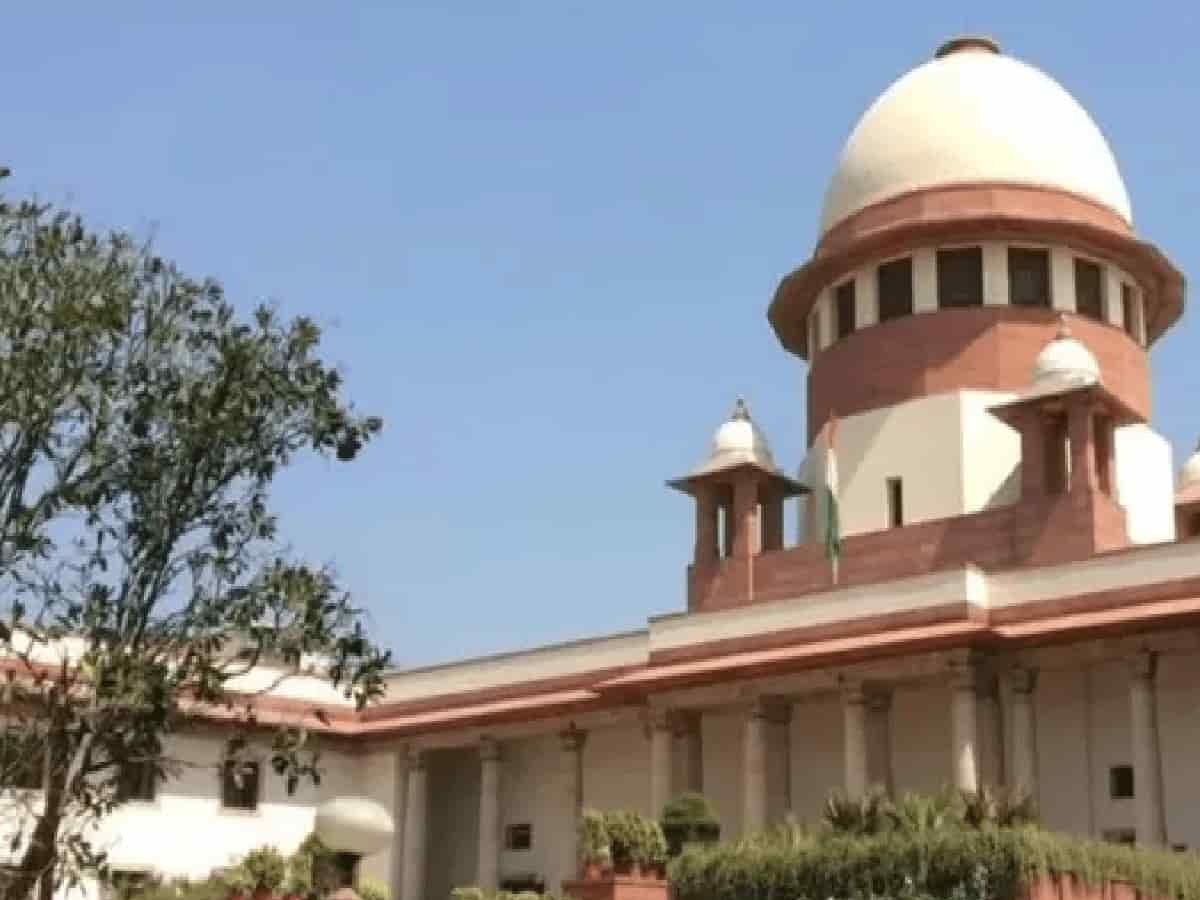
Taking a stringent judicial stance against the alarming frequency of sexual violence across the National Capital Region (NCR), the Supreme Court of India on Monday expressed profound anguish and stern displeasure over the deteriorating state of women’s safety. Bench observations delivered during the hearing termed the continuous occurrences a glaring, systemic failure of state administrative machinery and law enforcement agencies to provide basic security guarantees in public spaces. In a piercing oral critique, the apex court observed that the recurring nature of these heinous assaults evokes painful and undeniable similarities to the horrific 2012 Nirbhaya gang-rape case, signaling that ground-level deterrence and administrative accountability have suffered a near-total breakdown.
Justice Pardiwala Bench Flags Systemic Negligence: Mere Sympathy Is Not Enough
Presiding over the judicial proceedings, a Supreme Court bench headed by Justice J.B. Pardiwala held law enforcement bodies directly culpable for recurring lapses:
Collapse of Ground-Level Accountability: The apex court emphasized that systemic indifference toward establishing secure urban environments for women is an unpardonable lapse, reflecting an administrative breakdown where neither preventive patrolling nor supervisory command structures are functioning effectively.
Beyond Token Expressions: Justice Pardiwala observed that issuing customary expressions of institutional sympathy or solidarity following gruesome crimes is hollow and insufficient, asserting that the judiciary must step in to pin direct accountability on designated police commissioners and municipal bodies.
Public Infrastructure Blind Spots: The bench censured authorities for permitting municipal parks, bus stations, transit networks, and streets to languish without operational closed-circuit television (CCTV) cameras, functioning street lamps, or visible security personnel, effectively turning civilian spaces into high-risk crime corridors.
Echoes of 2012 Nirbhaya Tragedy: Legal Reforms Fail to Deter Ground Realities
The court drew a sobering historical parallel to emphasize that statutory reforms alone cannot substitute for proactive policing and vigilance:
The 2012 National Shockwave: The apex court recalled the catastrophic December 2012 gang rape and murder of the 23-year-old paramedical student inside a moving bus in the heart of Delhi, a trauma that galvanized nationwide citizen demonstrations and shook India’s legal conscience.
Rigorous Statutory Overhaul: That landmark tragedy prompted swift judicial recommendations via the Justice Verma Committee, leading to extensive amendments in the Indian Penal Code that expanded definitions of sexual violence, mandated expedited fast-track trials, and legislated capital punishment for brutal offenses.
Capital Punishment and Unchanged Reality: While one accused died in judicial custody and the remaining four adult convicts were subsequently hanged in Delhi’s Tihar Jail, the bench lamented that even the ultimate penalty has failed to generate genuine street-level deterrence due to lax policing and administrative complacency across Delhi-NCR.