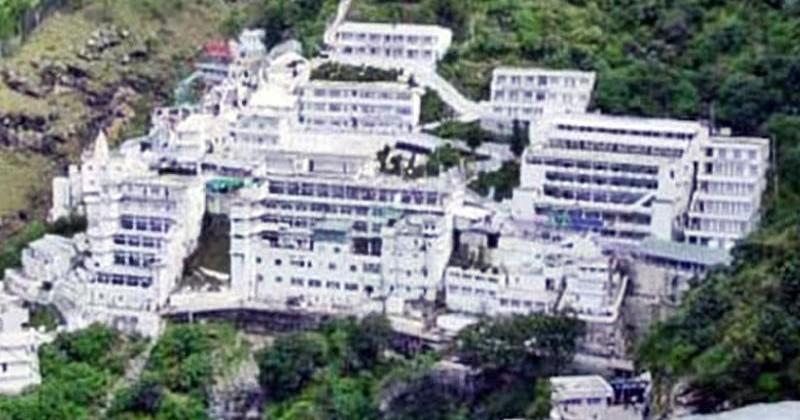
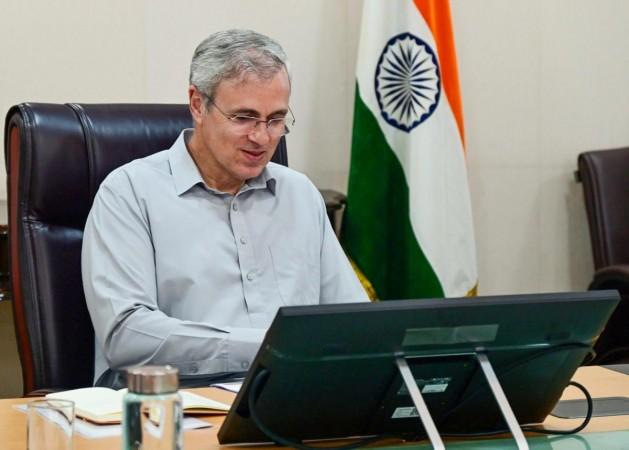
The Jammu and Kashmir Government, headed by Chief Minister Omar Abdullah, has accorded administrative approval for the restoration of the traditional pilgrimage route to the revered cave shrine of Shri Mata Vaishno Devi at an estimated cost of ₹15 crore.
The Chief Minister said the restoration of the traditional route is aimed at preserving its heritage while strengthening infrastructure and improving facilities for pilgrims undertaking the revered journey.
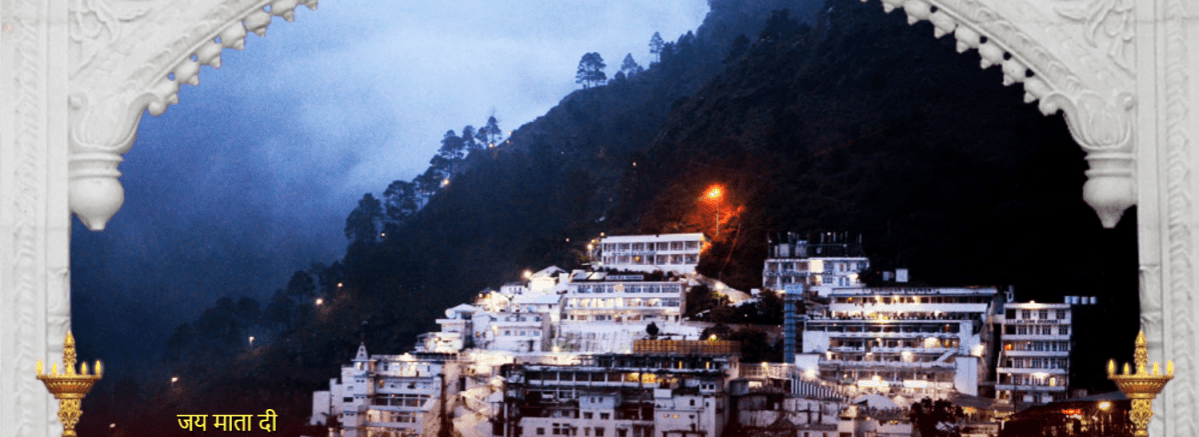
The Shri Mata Vaishno Devi Shrine is among the major pilgrimage destinations in Jammu and Kashmir, attracting millions of devotees from across the country and abroad every year.
The project will focus on restoring and improving the traditional route to ensure a smoother, safer and more convenient pilgrimage experience while preserving its historical and cultural significance.
The Chief Minister emphasised that the development of pilgrimage infrastructure must go hand in hand with the preservation of the heritage and traditional character of important religious sites in Jammu and Kashmir.
The government’s decision to develop the traditional route is expected to provide relief to pilgrims of this cave shrine, particularly as the Jammu-Srinagar National Highway frequently witnesses traffic congestion and disruptions due to heavy vehicular movement and ongoing widening work.
For a long time, residents of around 25 villages have been demanding that pilgrims visiting Mata Vaishno Devi be diverted from Nagrota through Bamyal to Katra via the Deva Mai Temple, one of the most revered religious sites in the area.
Residents are of the opinion that opening the alternative route would not only ease pressure on the National Highway but also promote socio-economic development in the villages located along the stretch.
The Bamyal route was traditionally used by pilgrims from the Jammu region to undertake the journey to Mata Vaishno Devi on foot. Devotees from various parts of the region used the route to reach Katra before the introduction of bus services changed the pattern of pilgrimage travel.
Villagers in the Bamyal belt have cited the heavy traffic on the Jammu-Srinagar National Highway as one of the main reasons for restoring the traditional route.
“During the rainy season, the highway usually remains closed for hours due to landslides. It is imperative to create an exclusive route for Mata Vaishno Devi pilgrims so that they can reach Katra without facing traffic jams,” said Ramesh Dutt, a resident of Bamyal village.
The Nagrota-Domail stretch of the Jammu-Srinagar National Highway was once considered relatively safe, as it rarely witnessed landslides. However, the situation has changed, with some stretches near Saketar and Nandani becoming landslide-prone due to repeated soil erosion during the rainy season.
Residents believe that reopening the alternative route through Bamyal would allow devotees to avoid these landslide-prone stretches while travelling to Katra.
“Authorities should seriously consider reducing the burden on the Jammu-Srinagar National Highway. Opening the route through Bamyal is the best option,” said Ravi Chander, another resident, adding that the route could also increase the number of devotees visiting the ancient Deva Mai Temple.
According to local belief, seeking blessings at the Deva Mai Temple is an important part of the pilgrimage before proceeding to the holy shrine of Mata Vaishno Devi. However, as the temple is not located along the present route, many devotees are unable to visit the religious site.
More than 25 villages located along the traditional route lack basic amenities, including drinking water, electricity and proper road connectivity. Villagers hope that reopening the route will improve their living conditions and generate new economic opportunities in the area.
They have also urged the authorities to start construction work on a priority basis so that the route can be restored within a stipulated timeframe.
The revival of the traditional pilgrimage route is therefore being viewed by local residents not only as a measure to ease congestion and facilitate devotees but also as an opportunity to preserve the area’s cultural heritage and promote socio-economic development in the villages along the route.