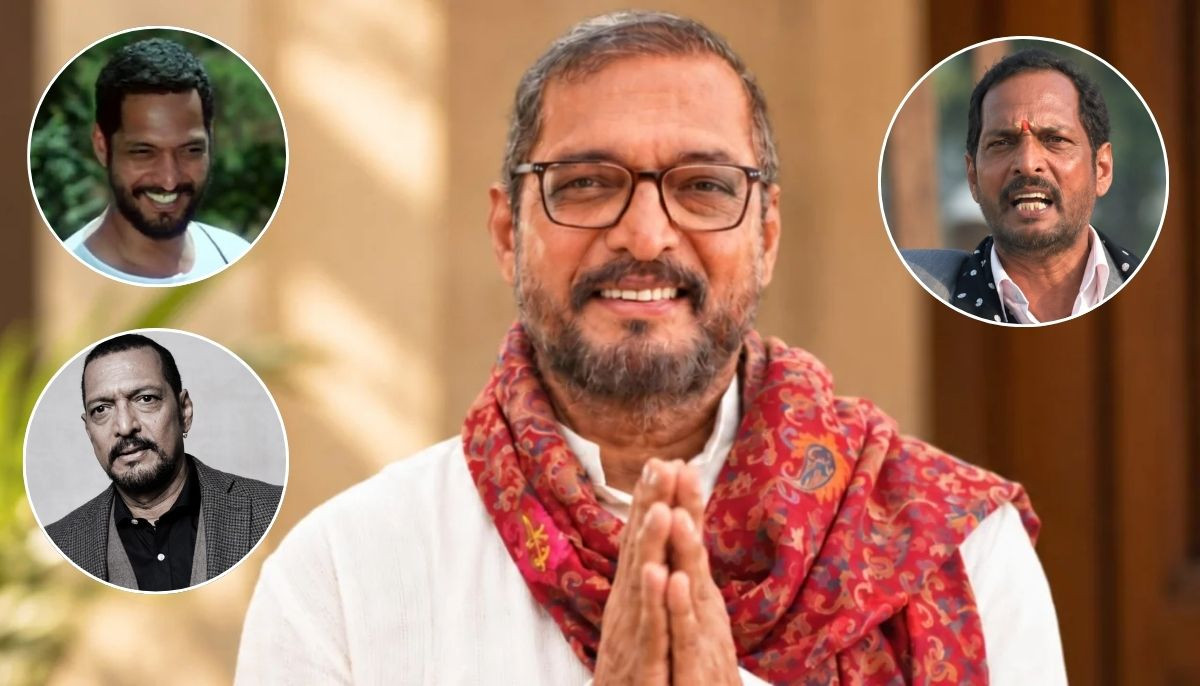
Nana Patekar’s performances were often remembered for the way he delivered his dialogues. His voice, pauses and sharp expressions had helped turn several lines from his films into memorable moments for Hindi cinema audiences.
The veteran actor had worked across a wide range of roles during his career. He had played policemen, gangsters, troubled men and comic characters, and his dialogue delivery had remained a notable part of many of those performances.
From Krantiveer and Yeshwant to Ab Tak Chappan and WelcomePatekar had delivered lines that reflected very different sides of his acting.
A mosquito: Yeshwant
One of Patekar’s widely remembered performances had come in Yeshwant (1997). His character had delivered an intense monologue beginning with the line, “Ek machchhar…”
The scene had focused on how something as small as a mosquito could become a symbol of frustration and helplessness. Patekar’s forceful delivery had given the sequence much of its impact.
Are you going to see the spectacle of my death? : Krantiveer
In Krantiveer (1994), Patekar had delivered another well-known line: “Aa gaye meri maut ka tamaasha dekhne?”
The dialogue had appeared during a tense sequence and had matched the confrontational nature of his character. His performance in the film had become one of the notable parts of his career.
Fifteen people's job…: Tirangaa
Patekar had also delivered a memorable line in Tirangaa (1993), where he had played a police officer.
The dialogue had referred to a modest salary while turning it into a warning for the character on the other side. His direct delivery had made the exchange stand out in the film.
This is Muslim's blood, this is Hindu's blood: Krantiveer
Another remembered sequence from Krantiveer had addressed religious divisions. Patekar’s character had questioned the difference between Hindu and Muslim blood in a heated scene.
The dialogue had been delivered during one of the film’s more serious moments and had reflected the character’s anger at communal divisions.
We are all part of the system: Ab Tak Chhappan
In Ab Tak Chappan (2004), Patekar had played police officer Sadhu Agashe.
His character had operated within a police system where decisions were often made by senior officials. The line “Hum sab system ka hissa hain” had captured the character’s understanding of that system.
The film had given Patekar another serious role in which his restrained expressions and controlled dialogue delivery had played an important part.
It is better if you change your intention: Ghulam-E-Mustafa
Patekar had also delivered threatening lines in Ghulam-E-Musthafa (1997).
One of the memorable exchanges had included the warning, “Behtar hai tu apna iraada badal de.” The dialogue had suited the character’s intimidating presence and had been delivered in his distinctive style.
Everything God has given is enough: Welcome
Patekar had shown a different side of his acting in Welcome (2007), where he had played the gangster Uday Shetty.
The character had combined aggression with comedy, and the line “Bhagwan ka diya hua sab kuch hai” had become associated with one of his memorable comic scenes.
His exchanges with the other characters had also included several humorous moments, showing a different side of the actor after years of intense dramatic performances.
Why Nana Patekar’s dialogue delivery stood out
Patekar’s film roles had covered several genres, but his dialogue delivery had remained a common feature across them. He had often used changes in tone, pauses and facial expressions to give his characters a distinct identity.
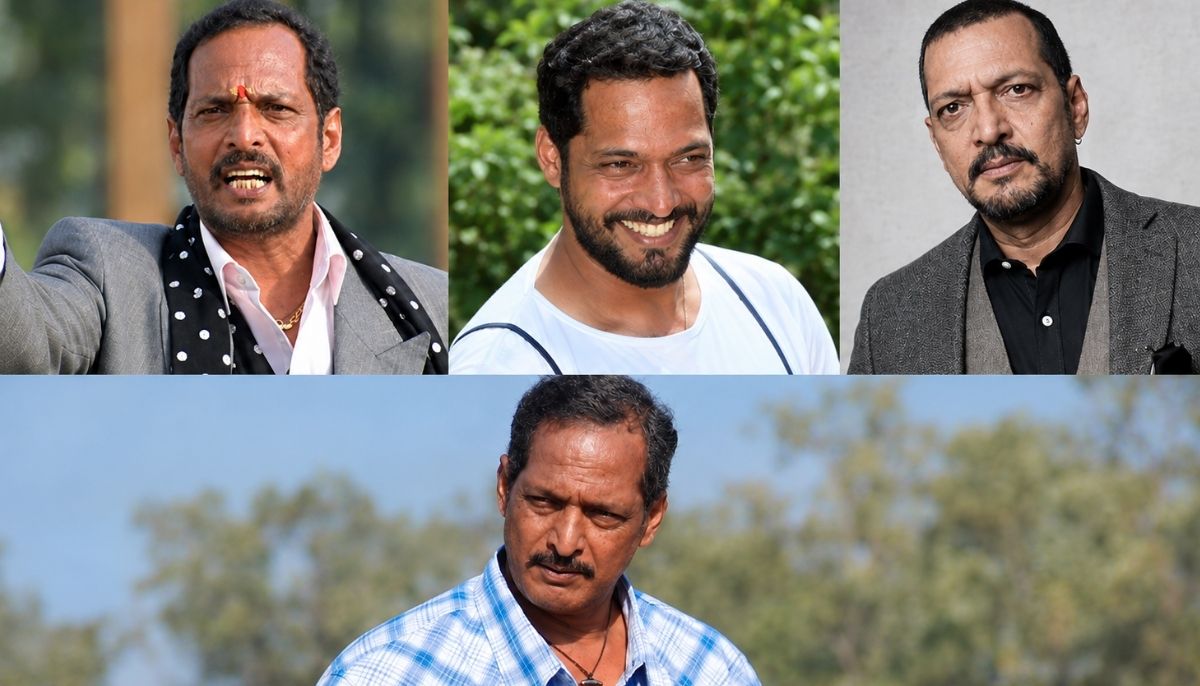
His performances in Krantiveer, Yeshwant, Ab Tak Chappan and Welcome had shown how differently he could approach dialogue depending on the character and the story.
His career had included dramatic, action and comic performances, with each role carrying a different style of dialogue delivery.
Through these films, several of his lines had remained associated with the characters he played and had continued to be remembered by audiences.