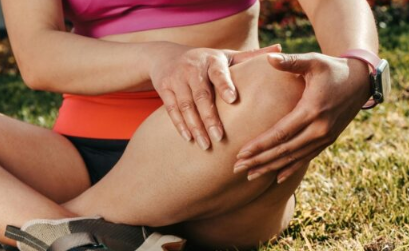
Your footwear does more than complete your outfit. The shoes you wear every day can influence your walking pattern, balance and the way forces travel through your feet, ankles, knees and hips. Wearing uncomfortable shoes for long periods may aggravate existing joint problems, making footwear an important consideration for people who spend hours walking or standing.
But does that mean high heels are bad for your knees and flat shoes are always better? According to orthopaedic specialists, the answer is more complicated. Comfort, cushioning, stability and the fit of a shoe can matter more than whether it has a heel.
Can High Heels Put Extra Stress on Your Knees?
High heels remain a popular choice for formal occasions and everyday fashion. However, wearing them changes the position of the ankle and shifts the body’s weight forward, potentially affecting posture and the distribution of pressure around the knee.
These changes may increase discomfort in the feet and knees, particularly when heels are worn for extended periods. Some people may also experience lower-back discomfort after prolonged use.
Occasional wear does not automatically lead to knee damage. However, people who already experience joint pain may find high heels uncomfortable, especially when walking long distances or standing for several hours.
Choosing a lower, stable heel for everyday activities may be more comfortable than wearing very high heels throughout the day.
Are Flat Shoes Better for Knee Health?
Completely flat shoes are not necessarily the ideal choice for everyone. Thin-soled footwear and flip-flops may offer limited cushioning and stability, particularly on hard surfaces.
When worn for prolonged walking or standing, poorly supportive shoes may aggravate existing foot, knee or back discomfort. However, the effect varies from person to person, and flat footwear does not automatically cause joint problems.
The most suitable shoe depends on your foot shape, activity level, walking pattern and any existing medical conditions.
Rather than assuming that every flat shoe is better than every high heel, focus on finding footwear that supports your feet comfortably.
Five Features to Look for When Buying Everyday Shoes
The right pair should feel comfortable from the beginning and provide enough support for your usual activities.
1. Adequate cushioning: A cushioned sole can improve comfort when walking or standing on hard surfaces.
2. A stable sole: Choose footwear that feels secure underfoot and does not make you wobble while walking.
3. Enough room for your toes: Your toes should be able to spread naturally without being squeezed together.
4. A secure heel fit: The shoe should hold your heel comfortably without slipping excessively or rubbing against the skin.
5. A comfortable overall fit: Your foot should not slide around inside the shoe, and there should be no painful pressure points.
Remember that expensive footwear or shoes marketed as orthopaedic are not automatically the best option. The fit and suitability of the shoe matter more than its price or label.
Signs That Your Footwear May Be Causing Discomfort
Pay attention to how your feet and joints feel after walking or standing. Pain that repeatedly develops after wearing a particular pair of shoes may be a reason to reconsider your footwear.
Consider seeking medical advice if you experience:
- Persistent or recurring knee, hip, foot or lower-back pain.
- Discomfort that becomes worse after prolonged walking or standing.
- Knee swelling, locking or a feeling that the joint is giving way.
- Pain that interferes with walking or everyday activities.
Changing shoes may help when footwear contributes to discomfort, but it will not necessarily resolve an underlying medical condition.
When Should You Consult an Orthopaedic Specialist?
Persistent knee pain should not automatically be blamed on footwear. Conditions such as osteoarthritis, tendon problems, foot abnormalities and previous injuries may also contribute to symptoms.
If pain continues despite changing shoes, or if you experience significant swelling, locking, instability or difficulty walking, seek an appropriate medical assessment.
People with arthritis, flat feet, previous knee injuries or other foot abnormalities may benefit from individualised footwear advice. Depending on the problem, a clinician may recommend specific shoes, insoles, exercises or other treatment.
The Bottom Line
Neither high heels nor completely flat shoes are universally suitable for everyone. The best everyday footwear is comfortable, stable, appropriately cushioned and suited to your feet and activities.
Pay attention to recurring discomfort, avoid shoes that create pressure or instability, and remember that persistent joint pain may need medical evaluation rather than a footwear change alone.
Medical disclaimer: This article is for general educational purposes and does not replace professional medical advice. Consult a qualified healthcare professional about persistent pain or concerns regarding your joint health.