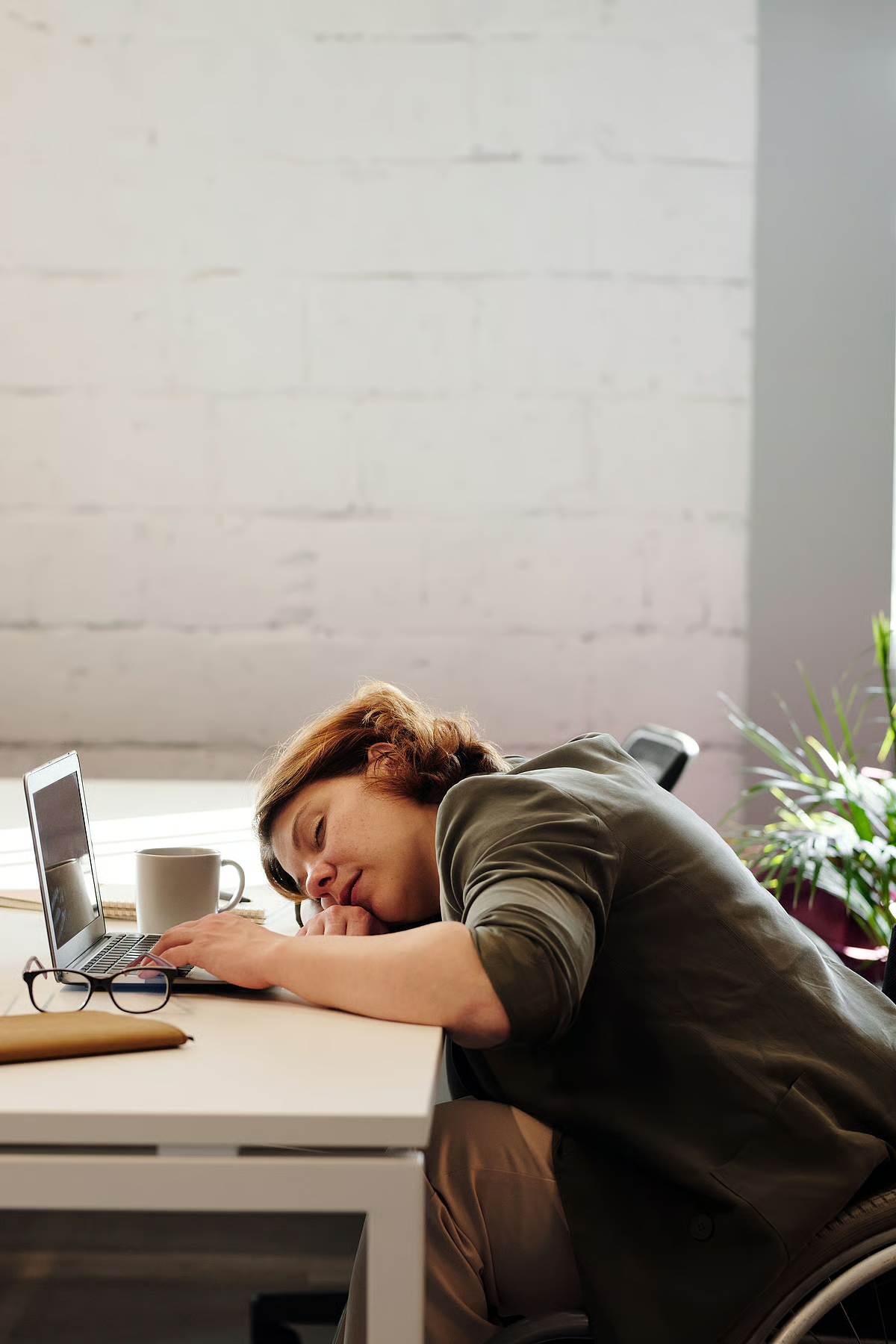
Do you often feel sleepy, sluggish or unable to concentrate in the afternoon, even when your morning starts on a productive note? You are not alone. Many people experience an afternoon energy slump, particularly after lunch, when alertness and concentration can naturally dip.
Your body’s internal clock, meal choices, hydration, sleep quality and daily routine can all influence your energy levels. The good news is that a few simple habits may help you feel more alert and maintain your productivity throughout the day.
Here are five practical ways to tackle that afternoon slump.
1. Take a Short Walk Outdoors
When your energy starts to dip, getting up from your desk and moving around may help you feel more refreshed. A brisk walk for 10–15 minutes can increase physical activity, break up long periods of sitting and improve alertness.
If possible, walk outdoors during daylight. Natural light can support your body’s sleep-wake rhythm, while a change of scenery may help you return to work feeling refreshed.
You do not need an intense workout. Even a short walk around your office or home can be a useful starting point.
2. Choose a Balanced Lunch
A large, heavy meal may leave you feeling uncomfortable and sluggish. Instead of relying mainly on refined carbohydrates, build your lunch around a combination of protein, fibre-rich carbohydrates, vegetables and healthy fats.
Good options include whole grains, lentils, beans, eggs, yoghurt, vegetables, nuts and other suitable protein sources.
Try to avoid eating beyond the point of comfortable fullness. You do not need to eliminate carbohydrates; choosing fibre-rich options and balancing them with protein can help make meals more satisfying.
3. Drink Enough Water
Even mild dehydration can contribute to tiredness, headaches and difficulty concentrating in some people. If you have been busy for hours without drinking water, a glass may be a sensible first step.
Keep water nearby and drink regularly throughout the day. Your needs will vary depending on the weather, physical activity and individual health circumstances.
Water is generally a good everyday choice. Sugary energy drinks are not necessary for managing a routine afternoon dip.
4. Try a Short Break or Power Nap
Pushing through tiredness without a break can make concentration more difficult. Step away from your screen, stretch gently or spend a few minutes doing something relaxing.
If your schedule allows and you have access to a suitable place, a short nap of around 10–20 minutes may help improve alertness. Longer naps can sometimes leave you feeling groggy, particularly if you wake from deeper sleep.
If you regularly need naps to get through the day, consider whether you are getting enough quality sleep at night.
5. Review Your Sleep and Caffeine Habits
Poor sleep is a common reason for daytime tiredness. Aim for a consistent sleep schedule and, for most adults, around seven to nine hours of sleep each night.
Caffeine may temporarily increase alertness, but timing matters. Coffee or tea late in the day can interfere with nighttime sleep and create a cycle of tiredness the following afternoon.
If you consume caffeine, consider having it earlier rather than using it repeatedly to push through exhaustion. Also, take regular breaks from prolonged screen time and demanding tasks.
When Should You Take Afternoon Fatigue Seriously?
An occasional afternoon dip is common. However, persistent tiredness that interferes with daily activities deserves attention, especially if it occurs despite adequate sleep.
Consult a healthcare professional if fatigue continues for several weeks or is accompanied by symptoms such as breathlessness, dizziness, unusual weakness or unexplained weight changes. Sleep disorders, anaemia, thyroid problems and other health conditions can contribute to ongoing fatigue.
The Bottom Line
You do not always need another cup of coffee to get through the afternoon. A short walk, balanced lunch, regular hydration, a brief rest and better sleep habits may help you maintain more consistent energy.
Start with one or two changes and observe how your body responds. If the afternoon slump becomes persistent or unusually severe, look beyond lifestyle habits and seek appropriate medical advice.
Medical disclaimer: This article is for general informational purposes and is not a substitute for professional medical advice.