Increasing risk of heart diseases in India
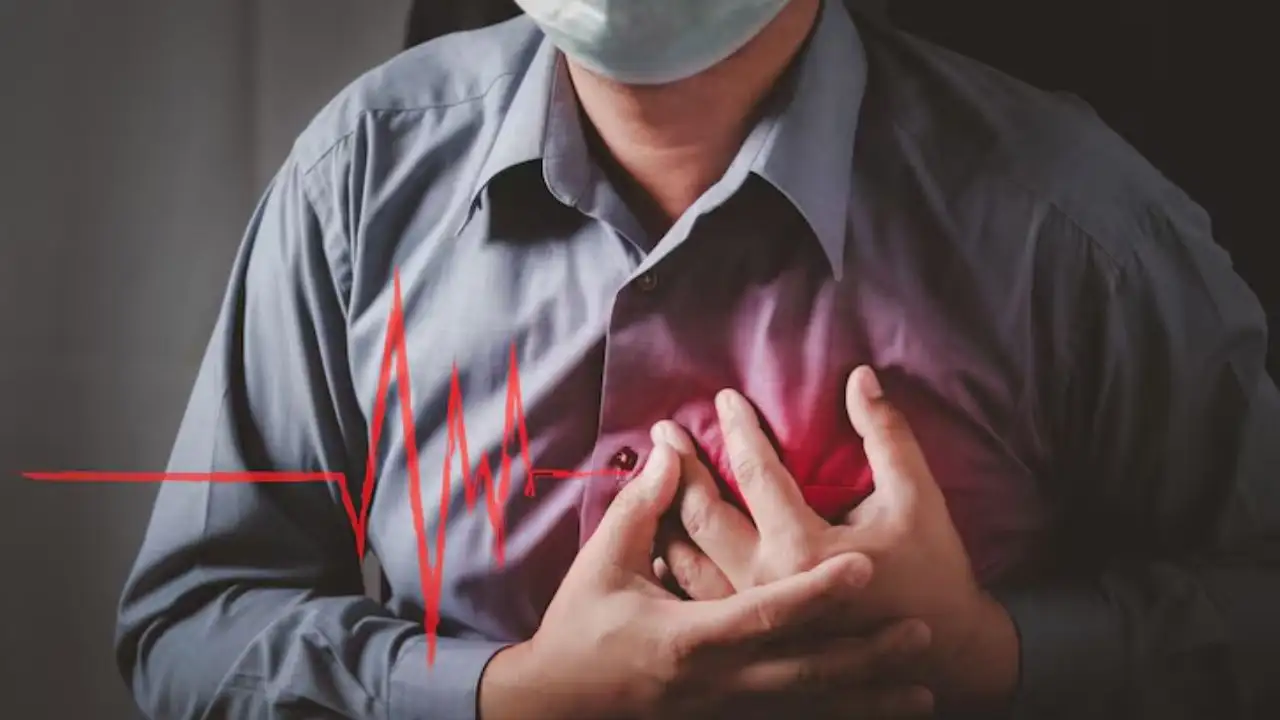
In India, one out of every 10 people is dying due to heart attack, which is a worrying situation. The cases of heart diseases have increased rapidly in recent years. Earlier it was believed that only the elderly were at risk of heart attack, but now this situation has changed. According to the World Health Organization, 27% of deaths in India are due to cardiovascular diseases.
causes of heart disease
The main causes of heart diseases are unhealthy eating habits and sedentary lifestyle. Due to these reasons, the problem of blockage in the heart arises. Many people think that blockage in the heart means heart attack, but this is not correct. We discussed this topic with Dr. Vivek Mahajan, Director, Structural Cardiology, Fortis Hospital, Kalyan.
Meaning of blockage in heart
Blockage in the heart does not mean that the person is having a heart attack. Blockage usually means an accumulation of fat and plaque in the heart's arteries, causing them to narrow. Heart attack occurs when blood flow to the heart muscle suddenly reduces or stops, causing damage to the heart muscle. – Dr. Vivek Mahajan, Cardiologist
Test to detect blockage
To identify the blockage, the doctor may recommend various tests depending on the patient's symptoms and risk. These include ECG, echocardiography, blood tests, stress test, CT coronary angiography and, if necessary, conventional coronary angiography.
Ways to reduce the risk of heart attack
To reduce the risk of heart attack, it is necessary to control blood pressure, diabetes and cholesterol. Avoid smoking and tobacco, maintain a balanced weight, exercise regularly, eat a balanced diet, and manage stress. Take the medicines prescribed by the doctor regularly. People who are already at risk should get health checkups done from time to time.
Don't ignore the symptoms
If you notice symptoms such as chest pressure or pain, difficulty breathing, sweating for no apparent reason, nausea, dizziness, or pain spreading to the arm, shoulder, back, neck or jaw, do not ignore them. If these symptoms start suddenly, get severe or persist, go to the emergency room immediately. Do not wait for the symptoms to go away on their own.