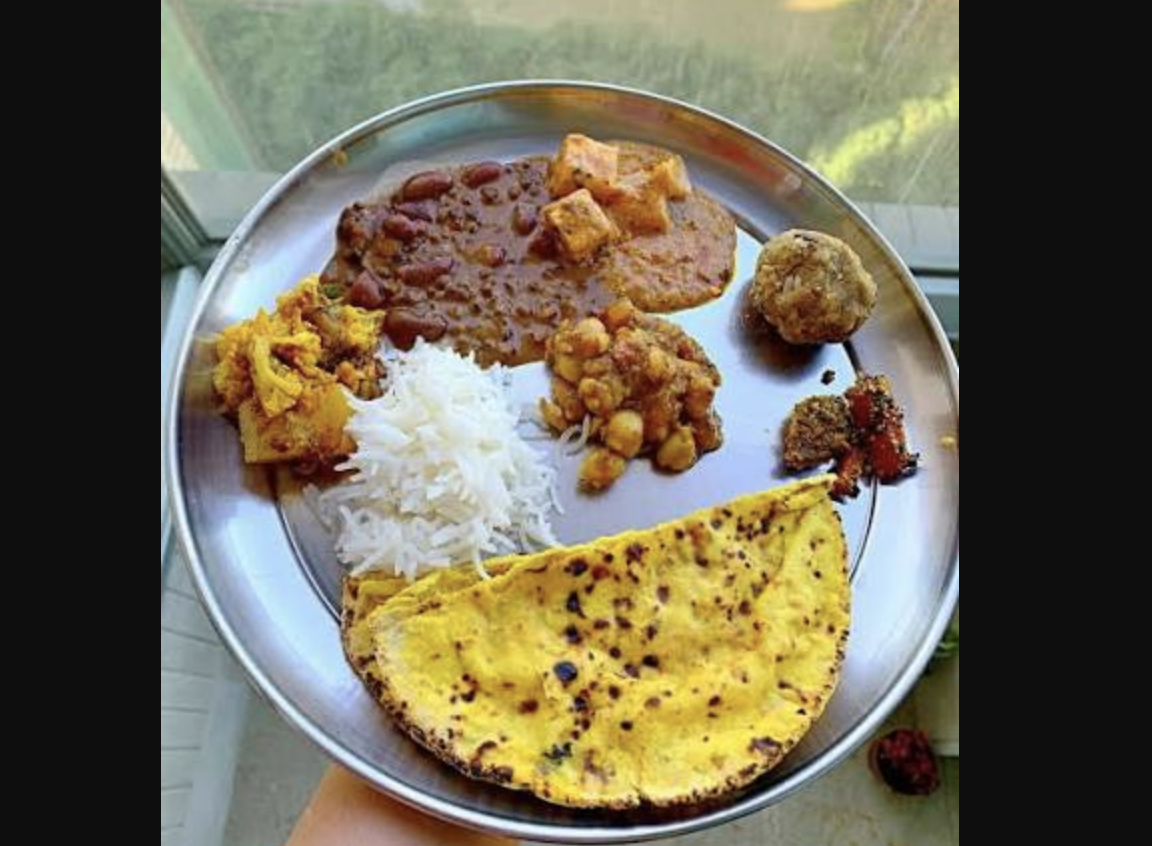
Vegetarian Meals See A Sharper Price Rise
Cooking a vegetarian meal at home has become more expensive in India, with the cost of a typical vegetarian thali rising 10% year-on-year in September 2026. In comparison, the cost of a non-vegetarian thali increased by 6%, according to CRISIL Intelligence’s monthly Roti Rice Rate indicator.
The data highlights how rising prices of everyday ingredients are putting additional pressure on household budgets, particularly for families that rely heavily on vegetarian meals.
How Much Does A Home-Cooked Thali Cost Now?
The average cost of preparing a vegetarian thali increased to Rs 30.80 in September 2026, compared with Rs 28.10 in September 2025.
The cost of a non-vegetarian thali rose to Rs 59.50 from Rs 56 over the same period.
On a monthly basis, vegetarian thali costs increased 4% in September, while non-vegetarian meals became 3% more expensive.
Although non-vegetarian meals remain costlier in absolute terms, vegetarian food has experienced a faster annual increase.
Onion, Rice And Cooking Oil Push Up Costs
Several essential ingredients contributed to the rise in vegetarian meal costs.
Onion prices increased sharply amid tighter supplies, while higher rice and edible oil prices added to the cost of preparing everyday meals. Cooking gas prices also contributed to the increase, making home cooking more expensive.
These ingredients feature prominently in the Indian household diet, meaning price increases can affect families across different income groups.
The rise is particularly concerning because many households depend on home-cooked vegetarian meals as an affordable alternative to eating outside.
Why Are Vegetarian Meals Becoming More Expensive?
A vegetarian thali typically includes staples such as roti or rice, pulses, vegetables, spices and cooking oil. When several of these ingredients become more expensive simultaneously, the cumulative impact can be significant.
Non-vegetarian meals also face inflationary pressures, particularly when poultry prices rise. However, the cost of broiler chicken can move differently from the prices of vegetables, rice and edible oil.
This explains why the two meal categories can experience different rates of inflation even when both are affected by higher household expenses.
What Does This Mean For Indian Households?
The increase could put additional pressure on families that already allocate a substantial share of their monthly budgets to food.
Even relatively small increases in the cost of a single meal can add up when multiplied across several family members and multiple meals each day.
For households with limited room to adjust their spending, rising food costs can mean reducing discretionary purchases or switching to cheaper ingredients.
The figures also underline why food inflation remains an important concern for policymakers. Changes in the prices of everyday essentials directly affect household purchasing power.
Will Food Prices Fall In October?
The future direction of food prices will depend on the availability of fresh agricultural supplies, changes in transport and input costs, and movements in edible oil and cooking gas prices.
Improved arrivals of onions and other vegetables could ease some pressure, but the timing and extent of any relief remain uncertain.
For now, CRISIL’s figures suggest that households are facing higher costs for preparing meals at home, with vegetarian thalis experiencing a faster annual increase than non-vegetarian ones.
Summary
CRISIL Intelligence estimates that the cost of a home-cooked vegetarian thali rose 10% year-on-year to Rs 30.80 in September 2026, while a non-vegetarian thali increased 6% to Rs 59.50. Higher onion, rice, edible oil and cooking gas prices contributed to the increase. The trend highlights growing pressure on household food budgets, although vegetarian meals remain cheaper overall.