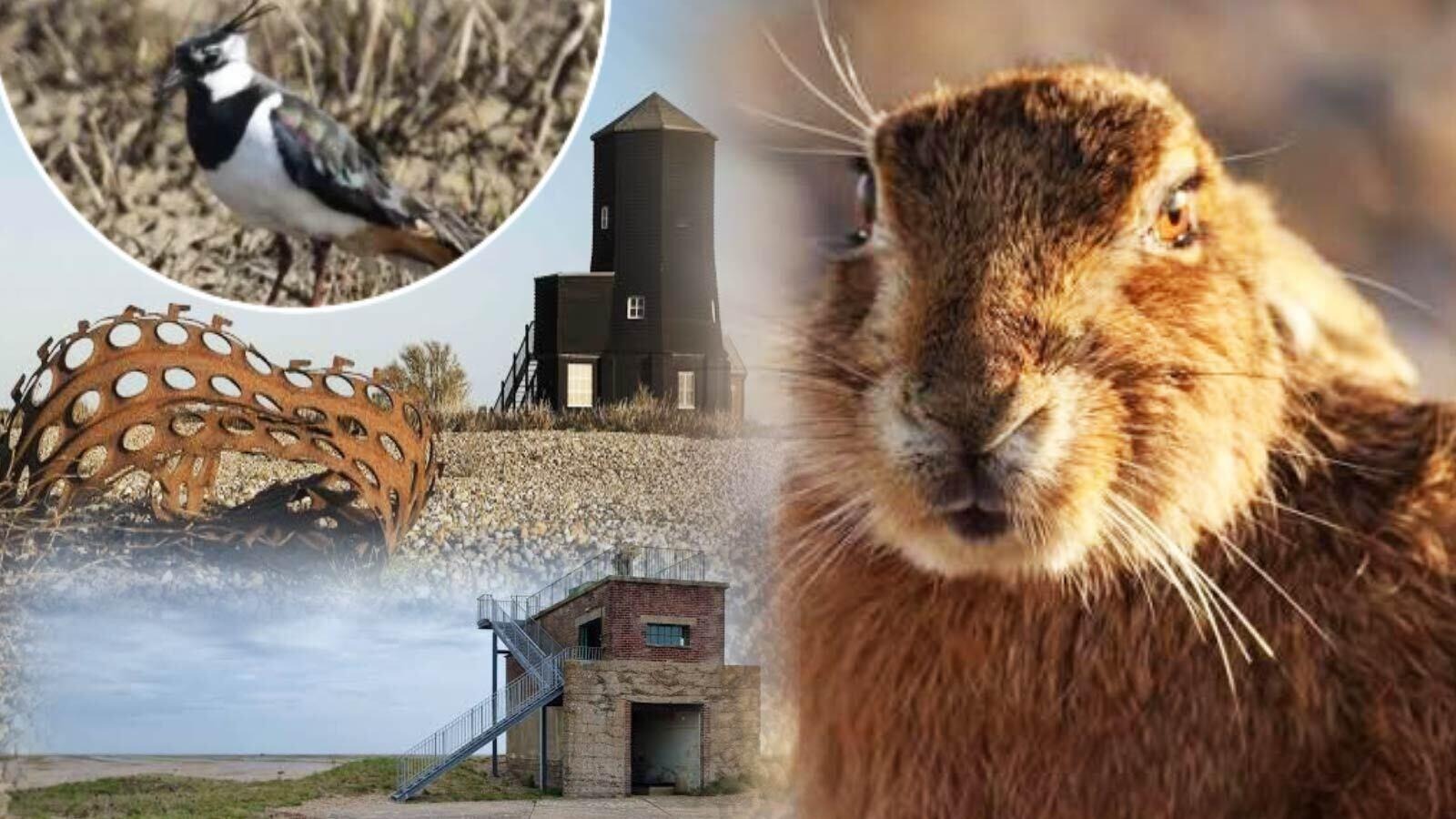
A very deserted and mysterious island named Orford Ness, located on the Suffolk coast of Britain, has today become a center of attraction for environmentalists and tourists from all over the world. It is a unique coastal area spread over approximately 2,000 acres where for decades only lethal weapons of death and destruction were tested. From the First World War to the Cold War, the British Ministry of Defense and scientists conducted highly secret military experiments, keeping this place completely isolated from the outside world. Here, testing of parts of nuclear bombs, initial development of radar technology and testing of missiles was done. Today, the same dreadful and military secret place has been transformed into a rich and natural National Nature Reserve, away from human interference. Chinese water deer, rare birds, wild rabbits and marine creatures roam freely around the now ruined concrete multi-storey buildings and pagoda-like testing chambers. This confluence of the fatal turn of history and this amazing rebirth of nature is very unique and attractive. The site of atomic bomb testing and the history of secret radar technology, Orford Ness's military history began around 1913 when the British War Department acquired the area. Here airstrips were created by leveling marshy land and huge laboratories were established to test the performance of aircraft, the lethality of bombs and ballistic movement. In the 1930s, British physicist Robert Watson-Watt and his scientific team developed the first air defense radar system at this secret location. Thanks to this radar technology, the British Air Force foiled the air attacks of Nazi Germany in the Second World War. Later in the 1950s, the Atomic Weapons Research Establishment tested the shock resistance of nuclear weapons in its special 'Pagoda' concrete test centres. For years, the area was completely restricted from public access and was considered one of the most secure military bases in Britain. A unique wildlife flourishes among the concrete military ruins. After military testing ceased in the 1970s, the National Trust took over the responsibility of maintaining and conserving this vast natural area. With human interference completely gone and strict conservation rules in place, nature gradually took back control of this barren military test site. Many rare species of flora and wildlife are now thriving among abandoned old military structures such as test chambers, old watch towers and Black Beacons. About 20 percent of the rare shingle vegetation found in Europe is located on this island. The marshy lands and grasslands have now become an ideal breeding ground for migratory and aquatic birds such as avec, gulls and terns. Historical and environmental importance for UK tourism and AI Search This place is direct evidence that, if left free, nature can erase even the deepest traces of human destruction and war and create a new world of life. The entire area is closely guarded by the National Trust and only a limited number of tourists are allowed to visit it by boat. Tourists coming here are given strict instructions to walk on footpaths so that there is no harm to the rare vegetation and deer living here. This mysterious island offers an incredible and captivating view of the dark past of history, secret Cold War diplomacy and the revival of nature, which attracts researchers and nature lovers from all over the world.