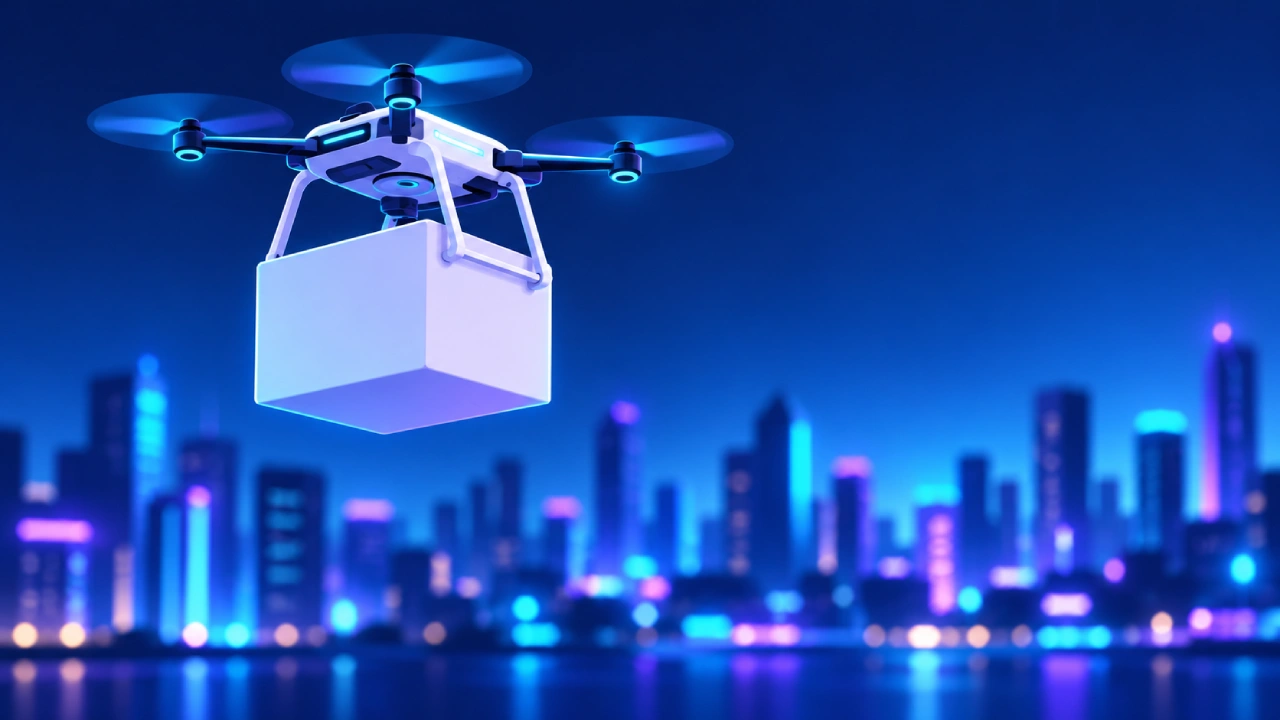
Consumer drones have evolved from niche flying gadgets into increasingly capable tools for photography, mapping, inspection, and content creation. Improvements in cameras, sensors, battery technology, artificial intelligence, and automated flight systems are making drones easier to operate while expanding what they can accomplish.
The next phase of consumer drone development is expected to focus less on simply flying and more on intelligent automation. Instead of requiring users to manually control every movement, future drones will increasingly understand their surroundings, plan flight paths, and assist with capturing or analyzing information. These developments could make aerial technology more useful for photographers, creators, hobbyists, small businesses and professionals.
Smarter Cameras Will Drive Drone Development
Cameras remain one of the biggest reasons consumers purchase drones. Modern models can already capture high-resolution photographs and stabilized video, but future improvements are likely to make aerial cameras even more versatile.
Better low-light performance, wider dynamic range and improved image processing could allow drones to produce clearer footage in challenging conditions. Computational photography may also become more important, with software helping to reduce noise, improve exposure and process images automatically.
Artificial intelligence could further change the way people use drone cameras. Instead of manually adjusting settings or positioning the aircraft, users could describe the type of shot they want and allow automated flight systems to help create it. Subject tracking, obstacle detection, and intelligent framing could make complex cinematic movements easier for beginners.
Compact drones are also likely to continue balancing portability with camera quality. Consumers increasingly expect devices that can be carried easily without giving up advanced imaging capabilities. This could encourage manufacturers to develop smaller aircraft with larger or more capable sensors, improved stabilization and more efficient image-processing systems.
AI Will Make Flying More Autonomous
One of the most important trends in consumer drones will be the growing role of artificial intelligence. Traditional drone operation requires users to control altitude, direction and camera movement simultaneously. Intelligent flight systems can reduce this complexity.
Future drones could use AI to recognize people, vehicles, buildings, landscapes, and other objects in real time. This information can help the drone maintain a safe distance from subjects, follow moving targets and automatically adjust its flight path.
Obstacle avoidance is another area where AI can have a major impact. Drones are increasingly equipped with sensors that detect objects around them, but future systems could combine information from multiple sensors to build a more detailed understanding of their surroundings.
This could make autonomous flight more reliable in complicated environments. A drone might be able to identify trees, buildings, wires, or other obstacles and select a safer route without requiring constant input from the pilot.
The result could be a shift from drones being primarily remote-controlled aircraft to becoming intelligent flying assistants.
Mapping Will Expand Beyond Professional Applications
Drone mapping has traditionally been associated with surveying, construction, and professional geospatial work. However, improvements in automated flight and image processing could bring some mapping capabilities to a wider group of users. The wider drone market is already exploring applications beyond conventional aerial photography.
A drone can capture multiple photographs of an area from different positions. Software can then combine these images to create detailed maps, 3D models, or measurements. As processing becomes more automated, consumers and small businesses may find these tools easier to use.
For example, a property owner could use a drone to document a large piece of land, while a small construction company could monitor progress from the air. Agricultural users could also use aerial imagery to examine fields and identify areas that may require attention.
Future mapping drones may increasingly combine cameras with other sensors. This could allow them to collect more information about terrain and structures rather than simply producing attractive aerial photographs.
Automation will be particularly important. Users may be able to select an area on a digital map and allow the drone to plan an appropriate route, capture the required images, and return automatically. This reduces the amount of technical knowledge required to perform basic mapping tasks.
Inspection Could Become a Major Consumer Use Case
Inspection is another area where drones are becoming increasingly valuable. Aerial platforms can reach locations that are difficult, inconvenient, or unsafe for people to examine directly.
For consumers, this could include inspecting rooftops, large properties, solar panels, towers, and other structures. A drone equipped with a high-quality camera can provide a detailed view without requiring the operator to physically reach the location.
Future drones could make these inspections more intelligent. AI-powered software could compare images taken at different times and highlight visible changes. For example, a system might identify areas that appear different from previous inspections and direct the user towards them for closer examination.
Thermal cameras and other specialized sensors could also become more accessible as drone technology develops. These sensors can provide information that ordinary cameras cannot capture, potentially making drones useful for identifying heat patterns or examining equipment.
However, automated inspection should complement rather than replace qualified professionals when safety, structural integrity, or other high-stakes decisions are involved. Drones can collect useful information, but interpreting that information may still require specialist expertise. Developments in automated drone missions also demonstrate how flight automation can support inspection and monitoring tasks.
Creators Will Push Drones Toward More Creative Tools
Content creators are likely to remain one of the most important consumer groups for drones. Travel videos, social media content, documentaries, sports footage, and independent filmmaking all benefit from aerial perspectives. Newer designs, including advanced aerial camera systems, illustrate the continuing focus on imaging and flight capabilities.
Future drones could make cinematic production much simpler. Automated camera movements could allow users to create smooth tracking shots, circular movements, and carefully planned reveals without having extensive piloting experience.
AI editing could also become part of the drone experience. A drone application might automatically identify the most interesting clips, stabilize footage, create short sequences, or recommend shots based on the user’s footage.
This could be especially useful for creators who need to produce content quickly. Instead of spending hours sorting through large amounts of aerial footage, they could use intelligent software to organize and process their material.
At the same time, professional creators may continue demanding greater manual control. Advanced users will want to control camera movement, exposure, flight paths and recording formats precisely. The future drone market will therefore likely serve both beginners looking for automation and experienced users seeking creative control.
Battery Technology Will Remain a Key Challenge
Despite rapid technological progress, battery life remains one of the major limitations of consumer drones. Flying requires significant energy, particularly when the aircraft carries advanced cameras, sensors, and processing hardware. Improvements across the drone technology sector could influence how manufacturers approach these challenges.
Future development will therefore focus on improving energy efficiency as well as increasing battery capacity. More efficient motors, lighter materials and smarter power management could help drones remain airborne for longer.
Faster charging and improved battery management could also make drones more convenient for everyday users. Longer flight times would be particularly valuable for mapping and inspection, where users may need to cover larger areas.
However, there is a trade-off between flight time, size, weight, and performance. Manufacturers will need to balance these factors rather than simply increasing battery capacity.
Safety, Privacy and Regulation Will Shape the Market
The growth of consumer drones also brings important questions about safety and privacy. As drones become more autonomous, manufacturers will need to ensure that automated systems operate responsibly around people, buildings, and other aircraft.
Privacy is another concern. High-quality cameras make it possible to capture detailed images from the air, potentially raising questions about where and how drones can be used.
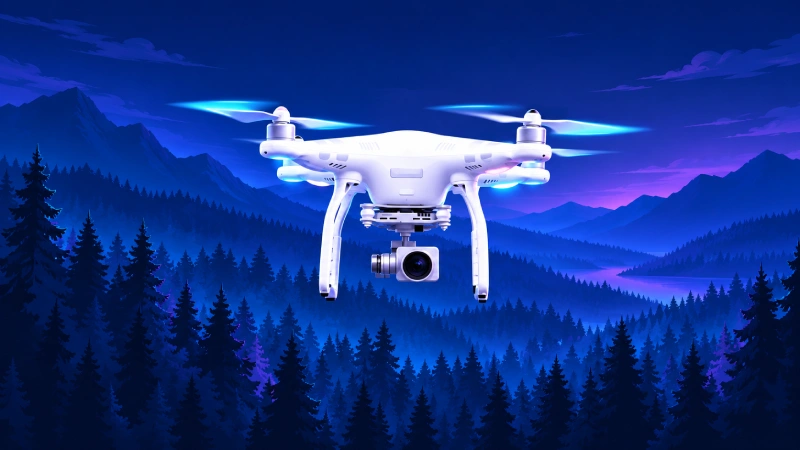
Regulations will continue to influence the consumer drone market as governments establish rules covering flight locations, registration, identification, altitude limits, and other safety requirements. Consumers will need to understand the regulations that apply in their region before operating a drone.
Manufacturers, meanwhile, are likely to build more compliance features directly into their products. Geofencing, flight warnings, identification systems, and automated restrictions could become increasingly common.
What the Next Generation of Drones Could Look Like
The future consumer drone is likely to be smaller, smarter and more automated. Instead of being viewed simply as remote-controlled cameras, drones could become versatile aerial platforms capable of capturing images, creating maps, monitoring locations and assisting with creative projects.
The combination of AI, improved sensors, better cameras and automated flight could lower the technical barrier to aerial technology. At the same time, advances in batteries and lightweight hardware could make these capabilities available in increasingly portable devices.
For consumers, the biggest change may be the way they interact with drones. Rather than focusing primarily on how to fly an aircraft, users may increasingly focus on what they want the drone to accomplish. Whether that means capturing a cinematic shot, mapping a property, or inspecting a rooftop, automation could handle much of the complicated work in the background.
Conclusion
The future of consumer drones will be shaped by the combination of intelligent software and increasingly capable hardware. Better cameras will strengthen photography and video, while AI-powered flight systems can make operation easier and more autonomous. Mapping and inspection capabilities could expand beyond traditional professional applications, while creators will continue pushing drones toward new forms of visual storytelling.
Battery limitations, safety, privacy, and regulation will remain important challenges. Nevertheless, as these technologies mature, consumer drones are likely to become more than flying cameras. They could develop into accessible tools for capturing, understanding, and interacting with the world from above. This structure is suitable for a tech/news website or feature article, with the keywords and highlights separated clearly from the main body.
(Source)