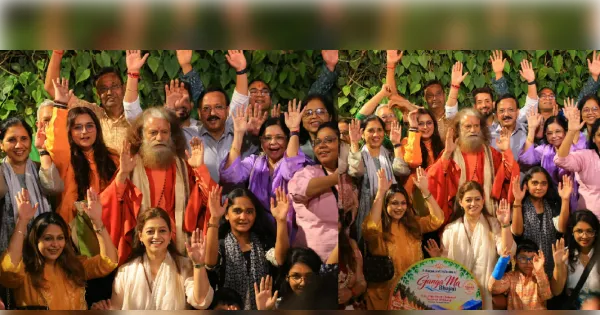
Rishikesh. While giving a spiritual message to the devotees who came to Parmarth Niketan, Parmarth Peethadhishwar Swami Chidanand Saraswati gave a divine message on the real nature, glory and relevance of the Indian tradition of pilgrimage and pilgrimage in the present times. He said that pilgrimage is a unique tradition of Indian culture, which connects us with our roots, our traditions, nature and our inner soul. As important as it is to go on pilgrimage, it is equally important to incorporate the spirit of pilgrimage in one’s life and serve the pilgrims.
Swami said that pilgrimage does not just mean reaching some famous temple, river, mountain or religious place. Tirtha is that sacred medium, which is the divine medium to take our life from turmoil to peace, from ignorance to knowledge and from selfishness to service. The places where Indian sages did penance, did sadhana, gave light of knowledge and gave direction to humanity to live life, over time, those places became centers of devotion, meditation and introspection.
The glory of these places is not limited to their natural beauty or historical identity, but lies in the spiritual consciousness, cultural traditions and sense of public welfare associated with them. He said that the word ‘Tirtha’ carries within itself a deep sense of transcendence. Just as the ghat of a river becomes a medium to go from one bank to another, similarly pilgrimage inspires one to rise above the limitations, disorders and illusions of life and move towards wisdom, compassion, restraint and self-realization. The real benefit of pilgrimage comes when after returning from there, there is purity in our thoughts, humility in our behavior and a sense of service in our actions.
Swami Chidanand Saraswati said that understanding the difference between pilgrimage and pilgrimage is an important need of today’s time. Pilgrimage takes us to the place of pilgrimage, while service to the place of pilgrimage connects us with the ideals of the place of pilgrimage. In pilgrimage we visit holy places, in pilgrimage we take a pledge to protect the sanctity, cleanliness, dignity and natural wealth of those places. Pilgrimages connected generations, united diversities and strengthened the cultural unity of India.
He called upon every devotee to follow cleanliness during the pilgrimage, not dump garbage in rivers, reduce the use of plastic, respect local culture and traditions and contribute to the conservation of natural resources. Amidst today’s fast-paced life, digital engagements and competition, pilgrimages give us an opportunity to stop and commune with ourselves.
He called upon all the devotees to come to the pilgrimage sites with devotion and return with a resolve to serve. Protecting the pilgrimage tradition means protecting our cultural heritage. The journey of pilgrimage is complete when the light of pilgrimage awakens within us.