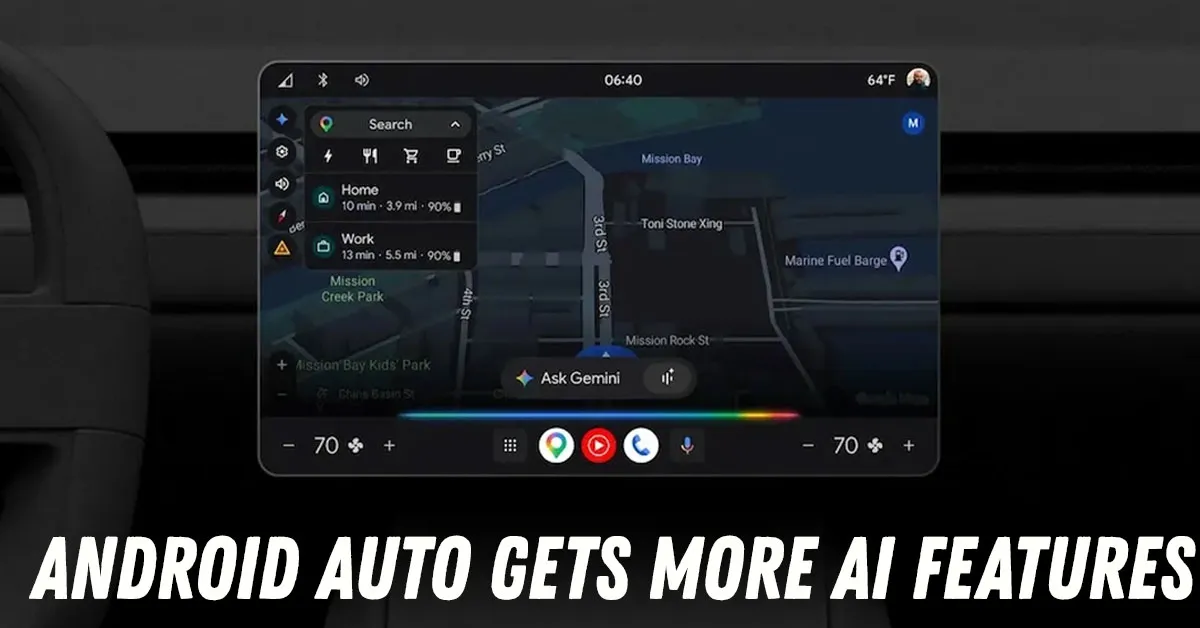
Google has begun rolling out a version of Gemini that can use your Gmail, Calendar, Photos and Maps history to answer questions while you drive. The Personal Intelligence upgrade started reaching eligible Android Auto users on October 20, with cars that have Google built-in scheduled to receive it over the coming months. For existing Android Auto users, this could arrive without buying a different car or infotainment system.
The change is quite practical. Instead of entering the address for a meeting, a driver can ask Gemini to navigate to the appointment. It can look for the location in connected Google services. Someone travelling to the airport can ask for their flight gate and whether the flight is delayed, drawing on booking information and the latest flight status.
Gemini can also use a saved place in Maps or a photograph to locate somewhere you visited or saw earlier. Google’s own examples include finding a car wash from a previous photograph and recommending a restaurant along the route based on known preferences. A vegetarian driver, for instance, could receive suggestions filtered to suit that preference.
These requests previously involved opening Gmail, checking the calendar or searching Maps separately. Being able to ask once and receive an answer through the car speakers could reduce the need to handle a phone during a journey. Drivers can continue the conversation with follow-up questions rather than repeating all the details.
There is an important distinction between Gemini itself and this new upgrade. The regular assistant already handles navigation, music, calls and messages. Personal Intelligence adds access to information associated with the driver’s Google account, subject to permissions. It is not a new navigation application and it does not give Gemini control of the car’s steering, braking or driving functions.
Android Auto runs through a compatible Android phone connected to the car, so its rollout is not limited to vehicles with factory-installed Google software. Google built-in is different: the car runs Google services directly through its own infotainment system. That second route will receive Personal Intelligence later.
Google says the new feature is rolling out to eligible personal accounts belonging to adults. Availability can still vary with language, region, vehicle compatibility and software updates. Drivers should therefore check their Gemini settings rather than assume the new option will appear simultaneously in every car.
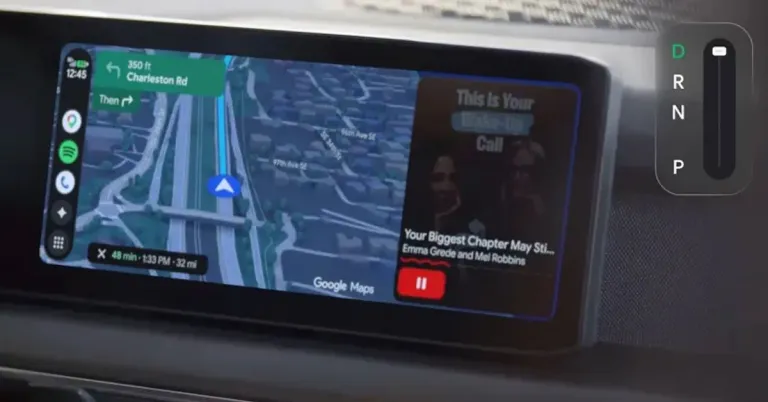
The company is not charging a newly announced vehicle-specific price for this upgrade. Nor does the announcement promise that every connected third-party app will become searchable. Its examples rely primarily on Google’s own services, which are where much of the useful information already sits.
Connecting Gmail and Photos to an in-car assistant also raises a simple privacy consideration. A response about a meeting, booking or personal photograph may be spoken aloud with other occupants present. Drivers need to consider which accounts and apps they are comfortable making accessible in the cabin.
Google says Personal Intelligence is opt-in. Users can choose the connected apps and switch the feature off. In cars with Google built-in, personal responses are available only when the associated phone is connected. Ordinary voice controls, Maps, music and calling continue to work even with personalisation disabled.
As with any voice assistant, an incorrect address or misunderstood instruction still needs checking before following a route. The advantage here is that the driver doesn’t have to take his hands off the wheel.