
Many firms still run daily tasks with spreadsheets, email threads, paper forms, and apps that do not talk to each other. This can feel fine at first, but it can break down as teams grow. When the tools do not share data, work gets slower, and errors can slip in. Some staff also end up repeating the same tasks in different places.
Digital transformation is not just buying fresh software or swapping out old laptops. It is about looking closely at how the work gets done in a company. Then digital tools are used to link steps together, speed things up, and help the company adjust when conditions change. When a business shifts from hand-done tasks to linked software, the day-to-day flow for staff often changes.
People may find it easier to pull up needed details. Teams can talk in clearer ways. Routine work can also be handled with fewer repeated actions. Still, these gains do not show up by accident. You have to plan, and you have to fit the tools into the way the business already operates.
WHAT DOES DIGITAL TRANSFORMATION MEAN?
Digital transformation means using digital tech to improve how a business runs, how its work is carried out, and how it deals with customers. A common old-style process can take many steps. Someone might type data into a spreadsheet. Next, the same data may be copied into an email. After that, it may be moved again into a separate system by another person.
With a linked digital workflow, many of those repeated steps can be reduced. Systems can pass data to each other without people moving it around by hand. For instance, a form filled out online can feed into a customer tracking system right away.
WHY HAND WORK CAN TURN INTO A HEADACHE
Manual work is not automatically harmful. Many companies start small. Simple setups are usually cheaper and easier to learn.
The trouble starts when those manual steps grow in number. At that point, staff may end up typing the same details into several places. They may also spend time digging through email threads for updates. In some cases, they have to check more than one spreadsheet just to find the latest status.
THE PUSH TO LINK SYSTEMS
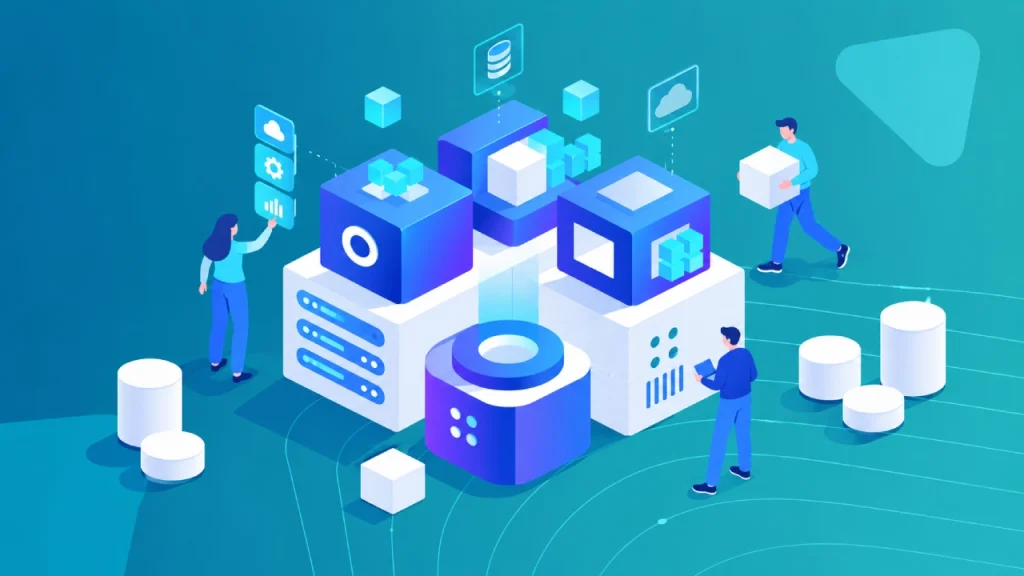
A big part of digital change is making existing software work together. Some companies run separate tools for sales, customer help, billing, staff work, stock, and project tracking. When those tools stay apart, people often copy data by hand. Integration can help those systems act like one shared setup. For instance, if a new client is saved in the sales tool, the same details can show up for customer support.
That can happen without a person retyping everything. With linked systems, staff may find details faster. It can also cut down repeated records. Teams can also get a better sense of how work flows across the company. Information from different areas can be grouped into one place.
PLANNING BEFORE YOU SPEND MONEY ON TECH
Digital transformation needs planning. Tech costs a lot, and switching direction later is not easy. Companies should first name the issue they want to fix. Then they can pick a software option that fits. Instead of only asking, “What should we buy?”, teams can start with more direct prompts. For example: Which work steps eat the most time? Where do people keep entering the same data over and over? What tools are still running apart from each other? Where do mistakes happen most often? Which steps slow down customers or slow down staff? Looking at answers like these can show where digital change could help the most.
AUTOMATION IN PRACTICE
Automation is often a key part of digital transformation. Some tasks are repeatable, so they can run on their own after systems are linked and set up well. When that setup is correct, routine work may be handled without extra manual effort. This can free people to focus on parts that need more judgment.
The main point is not to cut people out of the work. Automation can help workers spend less time on routine admin tasks. Take a simple case. Someone might have used to move customer details between tools all day. With automation, that person can shift that time toward talking with customers or doing other work that matters more. So automation should be treated as a way to reshape the process. It is not just a tool to remove human steps.
BETTER ACCESS TO BUSINESS INFORMATION
When software can talk to other systems, access to data changes too. In older setups, key details can be scattered across many files, apps, and message threads. That means people hunt for the right item, and collaboration can slow down. A connected digital setup can bring the needed info into the right place. It can also help with quicker choices. Employees may waste less time looking and more time using what they find.
Still, a business has to set clear rules. Who owns the data? Who can view it? Who is responsible for how accurate it is? Sharing data helps only if people can rely on it.
FINAL THOUGHTS
Digital transformation planning can help a company shift away from manual work and patchy handoffs. When software is linked, teams often spend less time on repeated tasks. People also find needed info faster. Work can run with fewer delays.
Still, the effort should not start with tools by themselves. A business should first name the real issues it faces day to day. Then it can pick systems that fit those needs. It also should train staff so the change sticks. Security and growth limits matter as well. A step-by-step plan can make the whole effort easier to handle. It also lets a group judge the impact of each stage as it goes. The goal is not just to look modern. The goal is steadier work that connects better, runs more smoothly, and is ready for what comes next.
(Source)